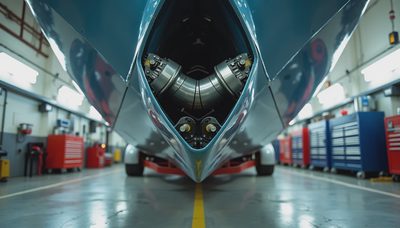
Much like living organisms, machines rely on a range of fluids to operate properly. These fluids are known as lubricants, and they serve several critical roles within a machine, the foremost being lubrication itself — enabling smooth, uninterrupted operation. Beyond that, lubricants fulfill a number of additional functions:
The effectiveness of each of these functions is heavily tied to the quality of the lubricant used. This makes it essential to invest exclusively in top-tier products that guarantee efficient, environmentally sound, and sustainable output.
Across many sectors and organizations, energy efficiency has become a primary objective — and in some cases, a legal mandate. Sustainable lubrication is one of the most effective ways to meet this goal. With the right products and practices in place, businesses can cut energy consumption, reduce waste, and enhance the technical performance of their machinery.
In the European Union, regulations such as the Energy Efficiency Directive compel companies to sharpen their efficiency, limit waste, and lower energy consumption. Sustainable lubrication is a key mechanism through which businesses and governments alike can pursue cleaner, greener operational outcomes.
There are numerous lubrication errors that lead to inefficiencies and avoidable waste, driving up costs both immediately and over time. However, with proper attention, engineering rigor, and sound management of lubrication processes, these errors can be corrected — significantly reducing both environmental impact and financial exposure.
Undertrained lubrication technicians often take a haphazard approach, simply aiming the grease gun at the bearing and leaving the outcome to chance. Waiting for grease to purge may work for basic applications, but it falls short for heavy industrial equipment. Excessive lubrication leads to elevated operating temperatures, bearing deterioration, and the intrusion of contaminants.
The most effective remedy is to standardize on a grease gun that delivers a consistent output volume. It is equally important to dedicate each gun to a single lubricant type. Bearings can also be equipped with purge fittings that expel surplus grease without disrupting the seal.
In many situations, minimizing waste and ensuring correct machine operation requires thorough familiarity with how the equipment functions. Oil sampling and analysis is an indispensable tool for gaining this insight. The Valvoline Fluid Analysis Program delivers comprehensive data on a machine's internal condition, supporting a more productive and efficient operation. While these analyses are highly valuable, their accuracy depends on collecting samples from multiple sampling points — a step that is frequently overlooked.
Although it often goes unnoticed, the loss of institutional knowledge when experienced lubrication technicians retire is a significant problem. Their accumulated expertise and practical insight leave with them. Introducing documented procedures and structured knowledge-transfer processes eases the onboarding of new personnel and helps sustain consistent efficiency while minimizing lubricant waste.
Profitability is a constant priority across all industries, and the temptation to cut costs by choosing lower-grade products is widespread. While substandard lubricants may produce short-term savings, they fail to deliver peak machine performance and can accelerate wear or trigger the need for unplanned maintenance. Waste of product is another common consequence of cheap lubricants, adding to both environmental burden and efficiency losses. Premium industrial oils, by contrast, deliver long-term savings, reduced downtime, lower consumption, and minimal maintenance needs.
High-quality sustainable lubricants do not demand frequent replacement, making a well-structured maintenance schedule both practical and valuable. This schedule should incorporate regular oil changes while avoiding excessive lubricant usage and the productivity losses that come with unnecessary downtime.
The technological tools available today offer real opportunities to reduce waste, increase productivity, and save time — so it makes sense to take advantage of them. Modern solutions such as single-point automatic lubricators, suitable for bearings, chains, motors, fans, and guideways, can meaningfully cut costs and expand savings. Companies that fail to embrace these innovations put their sustainability and operational performance at risk.
This issue is particularly relevant for machinery operating in demanding conditions across all seasons, where temperature swings can exceed 40 degrees Celsius. In cold environments, certain lubricants solidify, preventing machines from running smoothly. Insufficient lubrication places additional stress on equipment, increasing both energy demand and maintenance frequency. The answer lies in quality synthetic lubricants engineered for year-round performance.
Consider these real-world scenarios. Sawmills, for example, rely on hydraulics and conveyors that require motors, gears, and bearings to remain properly lubricated at all times. Similarly, heavy equipment at quarries often runs continuously for extended periods without shutdown. Industry estimates suggest that seven out of ten lumber and mining companies use mineral oils in their gearboxes — oils that require preheating during winter months. This preheating creates significant unnecessary waste through spoilage and energy use. Synthetic lubricants offer a direct solution: they reduce energy waste and extend drain intervals, compounding savings and boosting efficiency.
Viscosity — the measure of a lubricant's thickness or thinness — is a defining factor in sustainable lubrication. Lubricants with high viscosity are difficult to circulate through a system, and when machinery has to work harder to move lubricant, both energy consumption and lubrication quality suffer.
Temperature has a direct effect on viscosity as well. Mineral oils, for instance, tend to thicken in cold temperatures, creating the need for preheating that consumes additional energy and results in lubricant loss. Eco-friendly lubricants with a synthetic base, on the other hand, maintain lower viscosity and can reduce energy loss, lower costs, and deliver superior lubrication even under extreme weather conditions.
The contrast between low-cost and premium lubricants is most apparent in machinery that remains outdoors year-round, exposed to the full range of seasonal temperature extremes. Even in heavy-duty machinery and high-pressure systems, thinner synthetic oils outperform their thicker counterparts by circulating rapidly and withstanding heat more effectively.
In a manufacturing context, cost cannot be separated from the discussion. As demonstrated, optimal viscosity translates directly to optimal energy efficiency, which in turn yields both financial and environmental benefits. Reduced energy consumption lowers operating costs and carbon dioxide emissions alike — making investment in the correct viscosity of sustainable lubricants not just wise, but essential.
For those who benefit from concrete examples: companies that switch from universal grease to synthetic grease matched to the right viscosity for their specific machinery and industry can save hundreds of euros while cutting CO2 pollution by hundreds of kilograms. Replacing universal mineral oil with synthetic specialty fluids can generate savings of thousands of euros and reduce emissions by thousands of kilograms of CO2. Whether sustainability or cost savings is the primary motivation, these figures are impossible to ignore.
The origins of eco-friendly lubricants date back to the 1990s, when the first formulations were developed using rapeseed oil. Initially intended for the forestry industry — where stricter environmental standards were driven by frequent oil spills — these products pushed the sector to look beyond mineral oils, laying the groundwork for modern sustainable lubrication.
The core catalyst behind lubricant innovation has been environmentally adapted hydraulic oils, which are now standard practice in the forestry sector and other industries with demanding environmental requirements. While many manufacturers assume traditional lubricants are inherently superior, adapted sustainable lubricants frequently outperform them — not only in environmental terms but also in practical performance metrics. Eco-friendly lubricants demonstrate advantages in service life, water separation, and air separation.
Valvoline's Ultramax BIO-46 Hydraulic Oil exemplifies this performance advantage, delivering results that match or exceed comparable mineral oils. This oil provides outstanding performance, long-term reliability, strong protection, and exceptional lubrication. Furthermore, modern sustainable hydraulic lubricants are engineered to handle both high and low temperature extremes, offer excellent shear stability, and maintain their viscosity throughout their entire service life. These properties are already well established in the agriculture and forestry sectors, where green lubricants have proven their value.
The construction industry has yet to make the same shift, but as regulators and clients continue applying pressure on suppliers, a greener future is within reach. Currently, eco-friendly lubricants are used by only a handful of construction companies — a situation driven partly by product misconceptions and partly by cost concerns. What modern sustainable oils actually offer, however, is:
The versatility of most sustainable lubricants means they can serve a wide range of applications and components, including:
While most brands offer solid products with acceptable performance, only the leading manufacturers produce true specialty lubricants. Valvoline's specialty fluids lineup delivers a performance advantage that is readily apparent to end users. Among the benefits offered by the finest specialty lubricants are:
The cumulative impact of the advantages listed above on a business's cost structure is clear. The premium paid for high-quality fluids can generate a positive return on investment — not just once, but repeatedly. Once a manufacturer has analyzed their cost profile, engaging a qualified reliability or lubrication engineer to design an improvement roadmap can yield even greater cost reductions and productivity gains. Sustainable and intelligent lubrication strategies consistently pay off many times over, benefiting the business, its workforce, and the broader environment.
Over its 150-year history, Valvoline has undergone significant evolution while maintaining its standing as one of the most recognized names in the motor oil and lubricant industry. The key to staying ahead of the competition has been a commitment to precision-crafted products that have been continuously tested and refined. Equally important has been the ability to remain aligned with emerging trends, particularly in sustainability and environmental responsibility.
Valvoline offers a range of eco-friendly products designed for diverse applications. Food Calsul and Food Alucom are NSF-certified food-grade oils approved for use in food processing environments. Ultramax Bio-46 Hydraulic Oil is formulated with biodegradable synthetic esters that fulfill all eco-friendly lubricant standards for use in natural settings. Valvoline's Bio Lical grease is engineered for sliding and roller-bearing lubrication in agricultural machinery, forestry equipment, and other heavy equipment deployed in environmentally sensitive areas. Beyond these offerings, Valvoline provides an extensive portfolio of oils, greases, fluids, specialty products, and expert guidance for virtually any lubrication requirement — a combination that has kept Valvoline at the forefront of a continually evolving industry.
A major green transformation in the manufacturing sector appears increasingly inevitable, and eco-friendly lubricants are likely to be among the first priorities on that agenda. The foundation of sustainable and effective lubrication comes down to understanding how to select the right products and knowing when to act on upgrading a lubrication program.
Manufacturers going forward will need to be deliberate about their lubricant choices — not only to meet sustainability benchmarks but also to remain competitive in terms of operational efficiency. With optimized lubrication practices, the manufacturing industry as a whole can advance in a direction that is both financially sound and environmentally responsible.