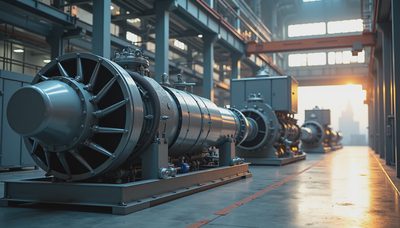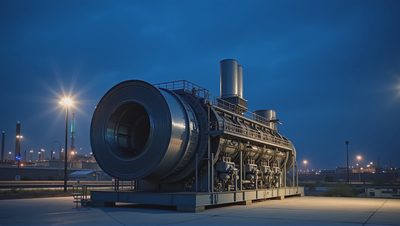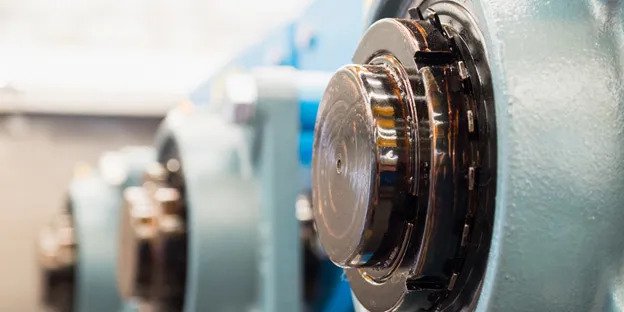
Industrial vehicles and equipment face demanding working environments — including extreme temperatures, dust, dirt, moisture, and high pressure. As a result, their components are susceptible to accelerated degradation and shortened service life.
Is there a practical way to enhance the performance and longevity of industrial machinery? Lubrication provides the answer.
High-performance industrial oils shield machines from damage and deliver consistent, reliable operation even under the most demanding working conditions.
This guide will walk you through selecting the appropriate type of industrial oil for your operation.
Every industrial fluid is composed of two fundamental elements: base oil and additives.
Base oils fall into three categories: natural, mineral, and synthetic.
Natural oils are rarely applied in industrial lubrication applications. Derived from plant or animal sources, they are chemically unstable and quickly lose their functional properties when subjected to elevated temperatures.
For this reason, industrial oils are typically either mineral or synthetic in composition.
Mineral oils originate from refined petroleum. Because they come from naturally occurring resources, they contain a range of undesirable compounds — including sulfur, phosphor, and nitrogen — which must be removed through purification before performance-enhancing additives are incorporated.
Since mineral oils do not conduct electricity, they find application across many industries as thermal fluids, electrical insulators, or non-conductive coolants. Their roles include a variety of industrial functions:
That said, mineral oils carry notable disadvantages: poor biodegradability, a low flash point that makes them susceptible to combustion, and a higher viscosity compared to synthetic alternatives. Their thicker consistency causes them to flow more slowly through engine components, leading to elevated fuel consumption.
Synthetic oils address the shortcomings of mineral-based products. They are chemically derived from a variety of synthetic compounds rather than refined from crude oil.
Key characteristics of synthetic oils include:
Their primary limitation is reduced lubrication performance relative to mineral oils. However, the incorporation of performance-enhancing additives can effectively compensate for this deficiency.
Several important factors must be evaluated when selecting industrial oils for your application.
Begin by consulting the lubricant manufacturer's documentation. At Valvoline, we offer detailed product data sheets and comprehensive technical specifications for every industrial lubricant type in our catalog.
While the manufacturer's guidelines provide a valuable starting point, keep in mind that these documents typically describe ideal operating conditions, which may differ from your actual working environment. It is therefore critical to evaluate the specific demands your machinery places on lubricants before making a purchasing decision.
The following factors should be weighed when selecting industrial lubricants:
Today's industrial machines call for advanced additive technologies that go beyond basic lubrication.
Base oil alone — whether mineral or synthetic — is insufficient to deliver the highest level of protection to industrial equipment and vehicles.
Performance additives are indispensable for maximizing lubricant effectiveness. They address the inherent weaknesses of base oils and elevate the lubricant's overall performance.
Below is a concise overview of commonly used additives and their key functional attributes:
Different industries impose different operational demands. Compile a list of the environmental and mechanical factors that most significantly affect your machinery's performance — these might include moisture, temperature extremes, vibration, dust, or pressure.
Evaluate variables such as axis operating speed, friction type, load capacity, environmental conditions, and applicable industry standards. These parameters will guide you toward the appropriate industrial lubricant selection.
For instance, if machine components such as bearings are subject to extreme pressure, a high-viscosity industrial oil is the correct choice. The lubricant should also incorporate the relevant additives mentioned above — friction modifiers, extreme pressure additives, and anti-wear properties.
Alternatively, if your equipment requires water-based lubricants or its components come into regular contact with water, prioritize industrial fluids formulated with advanced anti-rust and anti-corrosion capabilities.
Industrial oils serve a wide range of applications, including the lubrication of turbines, high-load bearings, water pumps, compressors, slideways, and more. The table below has been prepared to clarify the distinct functions of various industrial lubricants.
anti-wear properties,
anti-rust properties,
anti-foaming properties,
work gears, cylinders,
high-output paper machines (synthetic oils)
Valvoline Mineral Circulation Oils
Valvoline Synthetic Circulation Oils
superior lubrication,
corrosion resistance,
oxidation stability,
water separation properties,
wide operating temperature range
Valvoline Mineral Compressor Oils
Valvoline Synthetic Compressor Oils
corrosion resistance,
oxidation stability,
non-pressured closed heat transfer systems operating at a wide temperature range (mineral)
modern heat transfer systems demand oxidation stability and high-temperature resistance (synthetic)
Valvoline Mineral Heat Transfer Oils
Valvoline Synthetic Heat Transfer Oils
oxidation stability,
extreme pressure endurance,
extreme weather endurance,
wear and tear protection,
high viscosity index,
advanced lubrication
demanding industrial uses, equipment, and machinery
heavy-duty industrial applications (synthetic)
Valvoline Extreme Pressure Gear Oils
Valvoline Extreme Pressure Gear Oils - Synthetic
do not present any safety or health hazard
a polymer softener for different types of polymer-based products, such as automotive tires or rubber-based technical products
Valvoline Process Industrial Oils
advanced friction and adhesive properties,
advanced lubrication features,
corrosion protection
industrial metalworking machinery and tools, such as lathes, cutting machines, grinding machines, and milling machines
Valvoline Slideway Oils
advanced corrosion resistance,
advanced anti-wear additives,
anti-foaming features,
good air and water separation,
enhanced lubrication,
extended service life
used as hydraulic fluids,
steam, water, and gas turbine bearings
Valvoline Turbine Oils
Oil contamination ranks among the leading causes of industrial machinery failure.
Industrial oil faces two primary contamination threats: dirt and water. Once dirt infiltrates the system, it continuously generates new particles that accelerate oxidation and deplete additives, diminishing oil performance over time. Water, meanwhile, degrades lubricant properties and speeds up both oxidation and corrosion.
For this reason, maintaining clean industrial oil is a non-negotiable priority — it is the foundation for extending equipment service life.
The following steps are recommended:
The primary function of industrial oil filters is to block dirt particles and moisture from entering and damaging machinery.
These filtration systems are indispensable across a broad range of sectors, including automotive, power generation, manufacturing, and oil refining. Oil filters vary in size, dirt-holding capacity, and filter media, making it essential to select filters suited to your specific operational requirements.
Start by consulting the recommended lubricant cleanliness level chart to identify the correct ISO code. Understanding the required oil cleanliness level before it enters the industrial oil heater is a critical step.
Next, review the original equipment manufacturer's guidelines. The industrial oil filter must satisfy lubricant specifications such as flow rates, pressure drop, and absolute micron ratings.
Finally, compare available industrial oil filter options. They are commonly categorized as full-flow and depth-type filters, each serving distinct purposes and applications.
Bear in mind that additive performance degrades over time, gradually reducing the lubricant's ability to protect industrial machinery and vehicles as intended. This is why conducting thorough industrial fluid analysis is essential — it enables you to assess both the condition of your equipment and the effectiveness of your lubrication system.
The process is straightforward: collect an oil sample and submit it to a laboratory for analysis. Technicians will evaluate the fluid's condition and identify any contaminants that may be present.
An oil analysis program allows you to determine the nature and extent of equipment wear, while also tracking changes in industrial oil properties over time — enabling you to confirm whether the lubricant continues to meet your equipment's operational requirements.
Critically, by measuring oil contaminants, you can gauge how effectively your oil filtration system is performing.
Valvoline offers a comprehensive Fluid Analysis Program. Discover how it works and the benefits it can deliver for your equipment!
Industrial machinery operates under some of the most punishing conditions imaginable — including exposure to dirt and moisture, intensified friction, temperature fluctuations, and extreme pressure. Industrial oils combat equipment deterioration by guarding against wear, corrosion, and foaming, thereby extending service life and maintenance intervals while boosting operational efficiency and reducing overall maintenance costs.
This is precisely why choosing the right industrial oil matters so much. There is no one-size-fits-all solution — you must account for your specific operating environment and the particular demands of your machinery when selecting the appropriate lubricant technology.
Since 1866, Valvoline has been developing premium lubricant solutions engineered to meet the needs of diverse industries. We offer the broadest portfolio of industrial fluids available, encompassing circulation, heat transfer, industrial gear, and turbine oils. Browse our complete product range, or reach out to your nearest Valvoline distributor for personalized guidance!