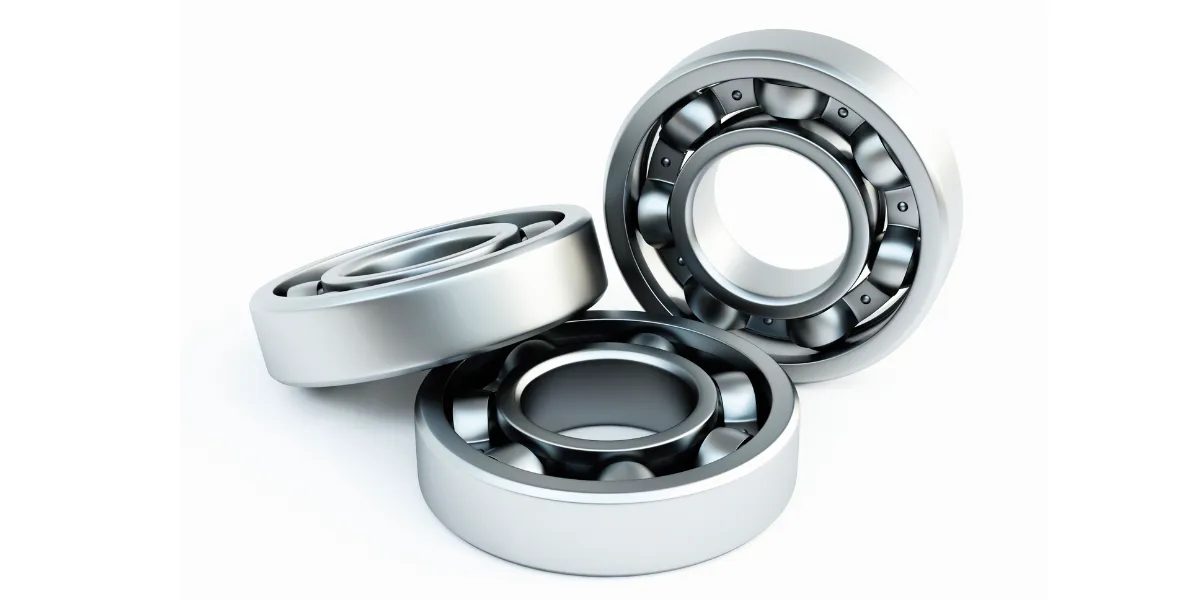
Within the ever-evolving landscape of machinery maintenance, bearing lubrication stands as a cornerstone practice. Bearings — frequently underappreciated yet essential among all moving components — require careful attention to sustain peak operational performance. Relying on premium heavy-duty grease and industrial lubricants is not merely advisable; it is an absolute requirement. When the correct industrial grease is applied, machines operate more smoothly, achieve greater longevity, and function with exceptional efficiency. Below is what Valvoline's experts believe every user should understand about foundational bearing lubrication.
Achieving optimal bearing performance starts with identifying the right lubricant for the job. This is a nuanced decision with no universal answer. The machinery type, the particular bearings installed, and the conditions under which they operate all factor significantly into the choice. For high-load scenarios, heavy-duty grease capable of withstanding intense stress without degrading is essential. Such greases typically incorporate additives engineered to deliver enhanced protection against wear, corrosion, and extreme temperature exposure.
Selecting a lubricant with appropriate viscosity carries equal importance. A formulation that is too thick may fail to penetrate bearing surfaces effectively, whereas one that is too thin may lack adequate film strength. In settings where temperatures fluctuate or operational speeds vary, a lubricant that holds its consistency throughout these changes becomes indispensable. Fortunately, specialized industrial lubricants are engineered precisely to address these varied demands, safeguarding bearings even when conditions are at their most challenging.
A well-structured lubrication schedule forms the foundation of effective bearing maintenance. Consistent, timely lubrication prevents bearings from becoming exposed to the damaging effects of friction and wear. That said, finding the proper balance is essential. Under-lubrication elevates metal-to-metal contact, accelerating wear and potentially triggering premature bearing failure. Conversely, over-lubrication promotes excessive grease accumulation, which in turn raises friction levels and generates unwanted heat.
When determining appropriate lubrication quantities and intervals, factor in the manufacturer's specifications, the lubricant type selected, and the operational demands placed on the machinery. As an example, bearings within high-speed equipment may call for more frequent lubrication using a lighter grease, whereas those in heavy-duty settings might perform better with less frequent but more generous applications of a denser industrial grease. Tracking bearing and lubricant condition over time yields valuable data that supports informed adjustments to the maintenance schedule.
Careful monitoring of lubricant condition represents a vital dimension of bearing care. Through sustained use, lubricants gradually deteriorate — diminishing in effectiveness and potentially causing bearing damage. Thermal breakdown, contamination, and chemical instability are among the primary drivers of this degradation. Routine lubricant inspection allows problems to be caught before they escalate into bearing failures. In heavy-duty industrial environments where bearings endure extreme operating conditions, grease degradation can progress especially fast. Warning signs include textural changes such as excessive hardening or thinning, discoloration, and visible particulate contamination. Selecting high-quality industrial lubricants tailored to specific operating conditions helps guard against these risks. These formulations commonly incorporate additives designed to resist breakdown and contamination, prolonging the service life of both the lubricant and the bearings it protects.
The success of any lubrication program depends substantially on the techniques used during application. As noted, insufficient application can leave bearing surfaces inadequately covered, while excess application creates buildup that drives up operating temperatures and energy consumption. A thorough understanding of each bearing type's lubrication requirements and the most effective delivery methods is therefore critical. In certain cases, manual application suits the task well, while in others, automated lubricators deliver greater consistency and precision. When lubricating complex machinery, it is also important to confirm that the lubricant reaches the bearing's internal components — a task that may call for dedicated tools or techniques, such as pairing a grease gun with an appropriately sized nozzle to access confined spaces. For heavy-duty applications where bearings endure significant stress, meticulous and accurate application of industrial grease is fundamental to sustaining optimal performance.
Lubricant performance — and consequently, the condition of the bearings they serve — is substantially shaped by the surrounding environment. Key factors that affect lubricant effectiveness include:
In industrial environments, choosing lubricants formulated to endure specific ambient conditions is essential. Extremely cold settings demand a lubricant with a lower operational temperature range to preserve fluidity, while hot environments require grease with a higher drop point to prevent excessive thinning and loss of lubricating capability. Furthermore, in areas where contamination poses a risk, multipurpose grease equipped with advanced sealing characteristics can shield bearings from damaging particulates.
By selecting the appropriate heavy-duty grease, maintaining a disciplined lubrication schedule, and developing a thorough understanding of industrial lubricant behavior, you can keep your machinery running at full capacity, day after day. Bear in mind that a sound lubrication strategy is a fundamental pillar of machinery reliability — reach out to Valvoline support or visit our Lubricant Advisor page whenever guidance is needed.



No feedback yet — submit the first.