The phrase low oil pressure causes sounds simple, but the real job is sorting a harmless sensor fault from an engine that is losing its oil film. In the lab we call this hydrodynamic film failure — on your shop floor, it means metal parts are getting closer than they should, especially when the oil is hot and thin. A driver who ignores the warning lamp can turn a $60 oil change into a $3,000 bearing job.
The first clue is not the dash light by itself. It is the combination of engine noise, oil level, oil age, and whether the warning appears only at idle or all the time. A healthy engine with the right viscosity and a clean filter usually shows stable pressure once the oil is warm. If the reading drops only when the engine is fully hot, that points you toward wear, dilution, or the wrong viscosity before you blame the sender. By the relevant standard, SAE J300 defines engine-oil viscosity grades, and ASTM D445 is the common lab method for measuring kinematic viscosity.
The most common low oil pressure causes
Start with the simple things, because they are the cheapest and the most common. Low oil level from a leak or consumption issue is the first place to look. A valve cover seep, rear main seal leak, or oil filter seal problem can slowly empty the sump enough to uncover the pickup during braking or cornering. That is how a driver gets a flickering light on a hard turn even though the engine seems fine at cruise.
The next tier is oil condition. Fuel dilution, coolant contamination, sludge, and a filter that has gone too long can all reduce the pump’s ability to maintain pressure. A worn oil pump, a cracked pickup tube, or a clogged pickup screen is more serious. So is bearing wear, because widened bearing clearances let more oil escape, which lowers pressure across the whole system. That is why a high-mileage engine may idle with weak pressure long before it makes obvious rod knock.
Application Note: on a turbocharged four-cylinder, a 0W-20 or 5W-30 that has sheared out of grade can behave very differently from the fresh oil in the bottle. A tow vehicle that works hard on summer grades will show the problem faster than a commuter car. The engine does not care about the label on the cap; it cares about the viscosity it has after heat, fuel dilution, and miles.
How to separate low oil pressure causes from a bad sender
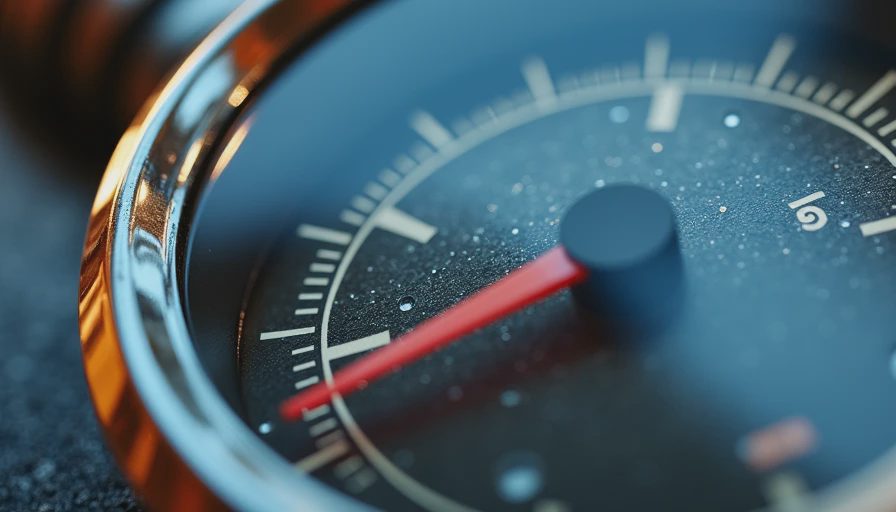
A bad pressure sender or switch can mimic a mechanical problem, so the diagnostic step that saves the most money is a mechanical gauge test. A shop will remove the sender, thread in a calibrated gauge, and compare the actual pressure to the OEM specification at cold idle, hot idle, and a raised speed such as 2,000 rpm. If the gauge is healthy but the dash light is lying, the sensor, wiring, or instrument cluster is the likely problem.
This is also where oil grade matters. A bottle that meets API SP and ILSAC GF-6 for gasoline engines should still match the viscosity called for by the owner’s manual. If the engine spec calls for 5W-30 and someone filled it with an oil that is too thin when hot, the pressure can fall even though the oil is technically clean. If the pressure is normal on a cold start and only falls after a long drive, temperature-sensitive wear or viscosity loss rises to the top of the list.
The other trick is to listen. A noisy lifter, a rattling timing chain, or a brief knock on hot idle tells you the oil film is weakening under load. That is not proof by itself, but it is enough to stop guessing and start measuring.

Why oil viscosity and temperature matter
Oil pressure is not the same thing as oil flow, but the two are tied together by viscosity. Thick oil resists flow and usually builds more pressure, while thin oil flows easily but may not hold the same pressure at operating temperature. That is why a winter grade such as 0W-20 can look fine in January and still be too thin for an engine with worn clearances in August traffic. The engine was not designed around guesswork; it was designed around a specific viscosity window.
Application Note: if a vehicle tows a trailer, idles in traffic, or sees repeated short trips, the oil spends more time hot and contaminated. Fuel dilution from short runs can thin the oil, while long idle time can lower pressure at the exact moment the pump is moving the least useful oil to the bearings. In a marine or industrial setting, I would call that a duty-cycle problem. On a road car, it often shows up as a hot-idle warning after a long commute.
This is also where ASTM D445 and the oil-maker’s data sheet matter more than brand loyalty. You are not shopping for marketing language. You are shopping for the viscosity the engine needs at temperature, with enough film strength to protect the cam journals, crank bearings, and turbocharger feed line.
When low oil pressure causes engine damage
When the warning is real and the engine keeps running, the damage path is predictable. First comes boundary lubrication, the regime where the full oil film has collapsed and asperity contact starts. In plain English, the smooth surfaces begin touching where they should not. From there, cam lobes can scuff, timing chain tensioners can chatter, and rod or main bearings can overheat.
This is the point where low oil pressure causes the bill to rise fast. A sensor replacement might run $80 to $250 installed. A pump, pickup tube, or pan service can land in the $400 to $1,500 range. Once bearings are scored or the crankshaft is damaged, the repair can jump to $2,000 to $6,000 or more, especially on engines with turbochargers or tight packaging. I have seen a small leak become a complete teardown simply because the driver kept nursing the car for another week.
The rule is blunt: if the engine is knocking, rattling at idle, or losing pressure after a proper gauge test, shut it down. A minute of operation is not worth a bottom-end failure.
Repair costs, downtime, and what to do next
The practical sequence is straightforward. Check the dipstick. Inspect for leaks under the car and around the filter, drain plug, and valve cover. Verify the oil grade against the owner’s manual. Then confirm pressure with a mechanical gauge before anyone starts replacing parts at random. If the reading is low, the shop should inspect the pickup screen, pump, relief valve, and bearing clearances before calling the job done.
For a commuter car, the right response is usually a tow plus diagnosis, not a hopeful drive to the next exit. For a work truck, the cost of downtime can exceed the repair bill, which is why reliability teams measure first and spend second. A proper diagnosis also helps prevent repeat failures. If the engine was filled with the wrong viscosity, or if fuel dilution from repeated short trips is thinning the oil, the repair has to address the root cause, not just the warning lamp.
When low oil pressure causes a tow bill
This is the last place low oil pressure causes money to leave your wallet, but it is often the easiest place to prevent a bigger loss. If the vehicle has to be flatbedded, the tow bill is usually cheaper than a crankshaft. And if the low-pressure event followed a collision, a flood, or another covered loss, that is when insurance questions become relevant. Mechanical wear by itself is not the same as a covered accident, but a shop estimate, photos, and a clear timeline can help sort the claim path.
If you are deciding whether to keep driving, use the gauge, the noise, and the oil level as your guide, not wishful thinking. A real pressure problem is a mechanical emergency. A false warning is an annoyance. The difference between the two is a few minutes with the right test equipment, and that is usually the cheapest minute of the whole repair.




No feedback yet — submit the first.