When a hydraulic system fails, the root cause is almost always the oil. In my 25 years of consulting, I've seen the same pattern: operators wait for a symptom—noise, sluggish actuation, overheating—and only then crack open a drain valve. By that point, the damage is in the metal. A disciplined oil analysis for hydraulic systems changes that equation entirely. It turns maintenance from reactive to predictive, and it can multiply component life by a factor of three or more. In this guide, I'll walk you through the key tests, what the numbers actually mean on your shop floor, and how to build a sampling schedule that pays for itself inside six months.
Why Hydraulic Oil Degrades—and Why Analysis Matters
Hydraulic oil does more than transmit power. It lubricates pumps, valves, and actuators; it carries away heat; and it suspends contaminants. Over time, three failure modes attack the fluid: thermal degradation, water ingress, and particle contamination. Thermal breakdown raises acid number (AN) and viscosity, water promotes hydrolysis and corrosion, and particles erode clearances—often in the 1–10 micron range where your system's tightest tolerances live. Standard visual inspection catches none of this. Laboratory oil analysis for hydraulic systems quantifies each threat before it becomes a failure. By the relevant standard (ISO 4406 for particle count, ASTM D445 for viscosity, ASTM D6304 for water), you get precise numbers that let you trend and predict.
The Core Tests: What Every Hydraulic Oil Analysis Should Include
A basic hydraulic oil analysis package typically covers five parameters. Here's what each one tells you, and what to do when the number strays.
1. Viscosity (ASTM D445)
Viscosity is the single most important property. Too low, and the oil film can't separate metal surfaces; too high, and the system struggles to pump efficiently. For most mobile and industrial hydraulics, the target is ISO VG 32, 46, or 68—check your pump manufacturer's manual. A shift of more than ±10% from the new oil baseline is a red flag. Cause? Thermal cracking (viscosity drop) or oxidation/bypass contamination (viscosity rise). Action: find the root cause before changing oil.
2. Particle Count (ISO 4406:99)
The three-number code (e.g., 22/18/13) reports particles per milliliter at ≥4 µm, ≥6 µm, and ≥14 µm. A clean new oil might be 18/16/13. Most vane and piston pumps require a cleanliness target of 20/18/15 or better. If your counts exceed target, your filters are either undersized, bypassing, or not being changed on schedule. Install offline filtration (kidney loop) for a month and re-test.
3. Water Content (ASTM D6304 — Karl Fischer titration)
Free water wrecks bearings; dissolved water weakens the oil's film strength. For most mineral oils, the saturation point is around 200–300 ppm at 20°C. Above that, water will drop out. Target: <200 ppm. If over 500 ppm, change the oil and fix the leaky seal or breather.
4. Acid Number (ASTM D664)
Acid number measures the oil's acidic byproducts from oxidation. For a new oil, it's typically 0.1–0.3 mg KOH/g. At 1.0, the oil is approaching end of life; at 2.0, it's acidic enough to corrode yellow metals. If AN rises quickly, check system temperature and consider a premium anti-oxidant oil.
5. Elemental Analysis (ASTM D5185 — ICP spectroscopy)
This measures wear metals (iron, copper, aluminum, lead) and additive elements (zinc, phosphorus, calcium). Iron above 100 ppm in a vane pump system suggests wear; copper above 50 ppm suggests brass/bronze component erosion. Trending is crucial: a sudden spike means a component is failing. Cross-reference with particle count—the two tests complement each other.
Application Note: Matching Tests to Equipment
In the lab we call these standard parameters—on your shop floor, they mean different things depending on your hardware. For example:
- Mobile hydraulic excavator (piston pump, 3000 psi): Viscosity stability and particle count (ISO 4406 20/18/15) are critical. Water content above 500 ppm will cause cavitation damage in the pump.
- Paper mill press (vane pumps, continuous operation): Thermal stability dominates. Watch acid number monthly; a rise from 0.5 to 1.5 over six months means you're running too hot. Install a heat exchanger before the oil degrades further.
- Marine steering gear (high-water-risk environment): Water content is the priority. Karl Fischer every quarter. If dissolved water exceeds 200 ppm, the seal is failing.
Building a Sampling Schedule That Works
The best oil analysis for hydraulic systems is worthless if the sample doesn't represent the system. Use these rules:
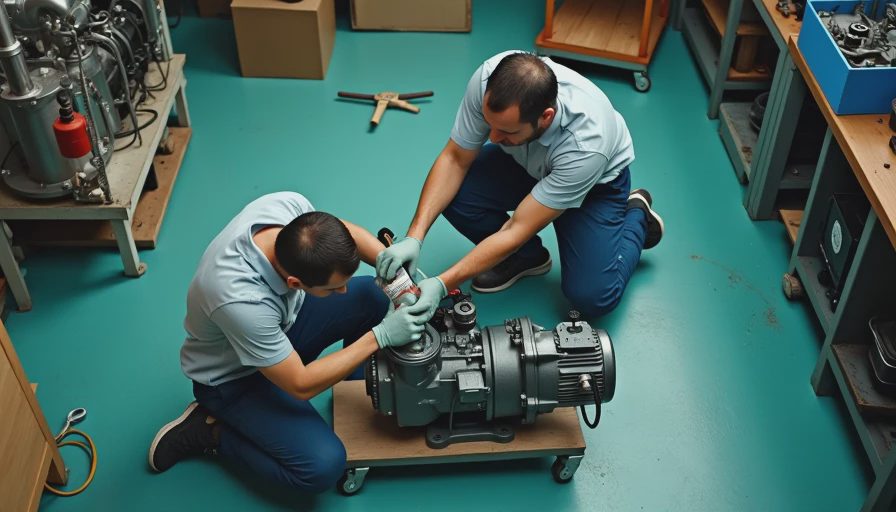
- Sample from a live, warm system (operating temperature) through a dedicated sample port—never from the drain valve, which collects settled debris.
- Frequency: For critical systems (mobile equipment, high-pressure presses, turbines), sample every 250–500 hours or quarterly. For less critical, every 1000 hours or semi-annually.
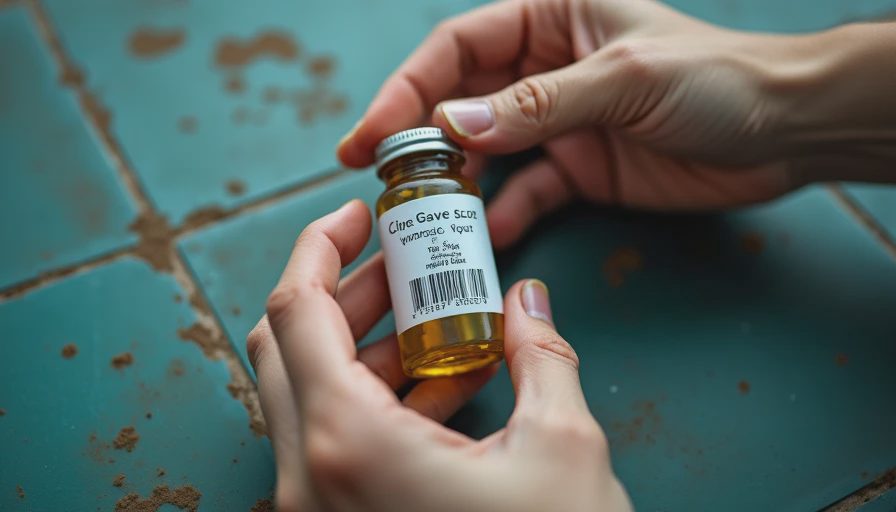
- Use clean bottles (supplied by the lab) and avoid touching the cap interior. Contaminated samples cost you time and money.
Interpreting Results: When to Act
One elevated number isn't a panic; it's a prompt. Here's a simple decision tree:
- Viscosity out of range + high AN + dark oil: The oil is oxidized. Change the oil and investigate the cooling system.
- Particle count high + low wear metals: The filters are bypassing or undersized. Install a kidney loop and increase filter efficiency (β10 ≥ 200).
- Water high + moderate particle count: Change oil and check breathers and shaft seals.
- Wear metals spiking in one element (e.g., copper): A specific component is failing—open the pump for inspection.
The Bottom Line: Return on Analysis
A single catastrophic hydraulic pump failure can cost $5,000–$20,000 for the part plus 4–8 hours of downtime at $500/hour. In many plants, that's $10,000–$30,000 per event. A basic oil analysis program with quarterly samples for ten critical systems runs roughly $2,000–$4,000 per year. The math is obvious: avoid one failure, and the program has paid for itself several times over.
Summary: Make It a Habit
In the lab we call oil analysis a condition-monitoring tool—on your shop floor, it's a reliability insurance policy. The key is consistency: sample on the same schedule, trend the data, and act when the numbers deviate from the baseline. Whether you run a single hydraulic press or a fleet of excavators, a well-executed oil analysis for hydraulic systems program will extend component life, reduce unplanned downtime, and cut your total cost of ownership. If you haven't started, do it this quarter. Your pumps will thank you.
— Erik Lindgren, PhD Tribology, STLE Fellow



No feedback yet — submit the first.