Optimizing Marine Fleet Uptime Through Strategic Outboard Maintenance Protocols
The Big Picture
In industrial operations, reliability is the primary currency. For marine fleet managers, the shift toward outboard propulsion represents a significant change in asset management strategy. Data indicates that about 80% of new US powerboats utilized outboards as of 2024, with the global outboard engine market projected to reach USD 5.82 billion by 2026. This adoption rate is not merely a preference shift; it is a operational reality that demands rigorous maintenance protocols.
From a tribological perspective, the outboard motor is a concentrated system of friction, wear, and lubrication challenges. When these systems function correctly, time on the water remains productive. When they fail, repair bills stack up quickly and trips get cut short. The stakes have risen because motors are more powerful now and rely heavily on electronics. Replacing an outboard is far more expensive than it used to be, which is hard to ignore for any procurement specialist managing total cost of ownership. The industry has moved away from inboard and sterndrives in salt water due to the viability of outboards, but this viability hinges on accurate upkeep.
Key Details
Maintenance intervals are the backbone of asset longevity. Industry leaders generally agree that regular upkeep helps engines run strong over the long haul, with a simple service rhythm usually landing around the 100-hour or once-a-year point. Most mechanics stick to that schedule because it actually works day to day. Even engines that don't see much use still benefit from a yearly check to stay reliable.
The dominance of four-stroke engines is a critical specification for fleet planners. Four-stroke outboard usage accounted for over 60% of the market in 2025. These motors usually run quieter and help save fuel, which is great, especially on long days on the water. However, quiet and efficient doesn't mean low-maintenance. Oil quality, proper cooling, and clean fuel all matter, and in many cases they matter more now than they used to.
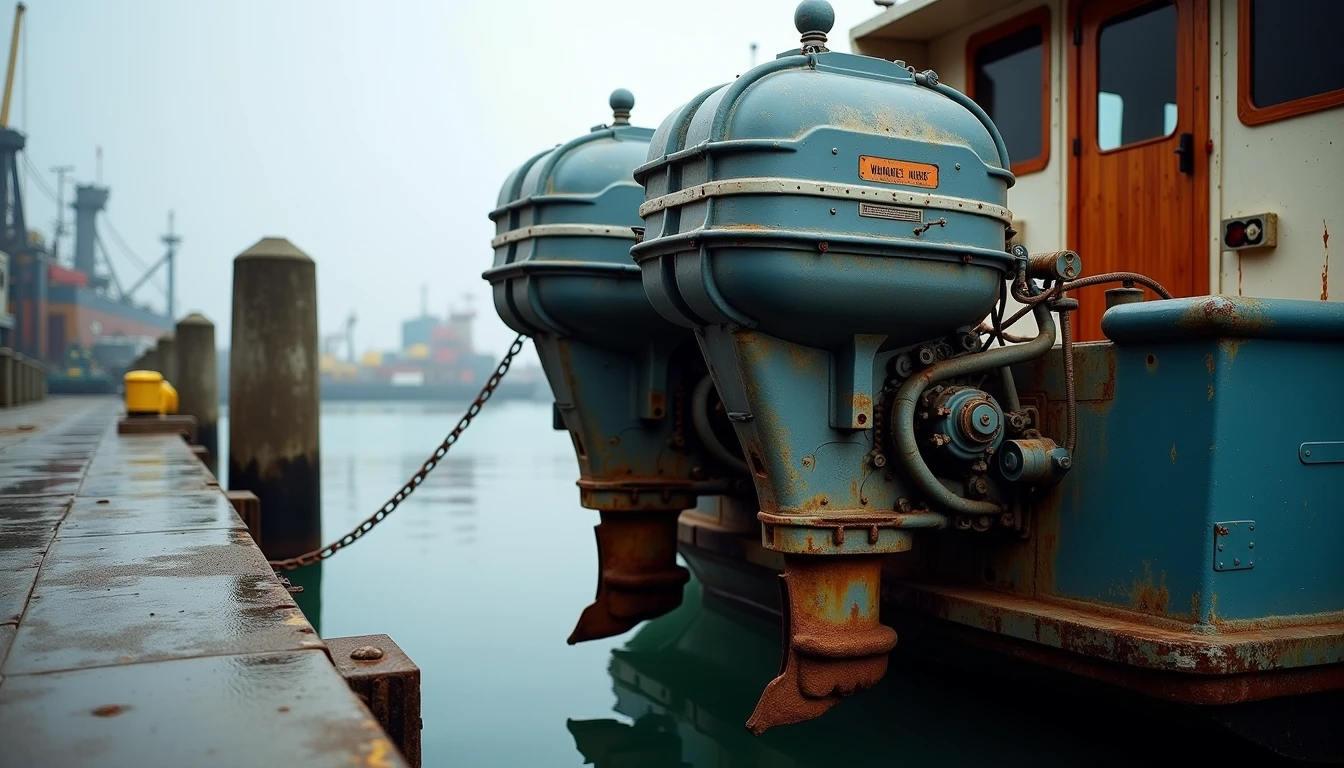
Core tasks include handling oil and filters early. Four-stroke engines rely on clean oil to keep internal parts from grinding against each other. As oil ages, it loses its ability to protect and can trap moisture where it doesn't belong. Next is the gearcase. Lower unit oil keeps gears cool and reduces wear. If the oil looks milky, water has likely gotten inside. Catching that early can be the difference between a small fix and a costly repair. Cooling systems need steady attention too. After running in saltwater, flushing with fresh water clears out buildup. The water pump impeller should be checked every two to three years, especially if you run in sandy or shallow areas where wear happens faster. Anodes matter as well. These small metal parts protect the engine from corrosion and often wear down quietly.
Operational Impact
Skipping routine work can hurt resale value and make reliability a gamble. These risks stack up faster than many owners expect. For weekend anglers, charter crews, or anyone managing more than one boat, good motor care protects both time and money. Simple habits help engines start faster and use fuel more efficiently over time. Skip the basics, and small problems often turn into breakdowns that could have been avoided.
In the lab we call this progressive surface degradation — on your shop floor, it means unscheduled downtime. Bigger motors often run hotter and carry more strain over time, so small service problems can turn into real headaches fast, sometimes without warning. When maintenance gets skipped, small problems often grow into expensive ones later. That's rarely worth the risk, and there aren't any real shortcuts. The operational impact is direct: adherence to the 100-hour schedule prevents the transition from minor wear to catastrophic failure.
What to Watch
The industry keeps seeing growth in outboard use, along with a shift toward bigger engines. This scale change introduces thermal management challenges. As engines grow in power density, the margin for error in lubrication and cooling narrows. Additionally, the reliance on electronics means upkeep has to be more accurate and mistakes cost more.
Fleet managers must monitor the condition of sacrificial components like anodes closely. These parts wear down quietly, and failure to monitor them exposes the engine to corrosion. Furthermore, operating environments dictate service frequency. If you run in sandy or shallow areas, wear happens faster, necessitating stricter adherence to the two to three-year impeller check interval. Regulatory compliance regarding fuel quality and emissions also ties into engine health, as clean fuel is a stated requirement for sustained efficiency.
Bottom Line
For fleet managers and maintenance supervisors, the directive is clear: institutionalize the 100-hour or once-a-year service rhythm. Do not treat outboards as low-maintenance assets despite their efficiency gains. The data shows that four-stroke dominance and market growth correlate with higher operational demands. Protecting resale value and ensuring reliability requires catching issues like milky gearcase oil or worn anodes early.
Instead of making things complicated, break outboard maintenance down into clear, easy steps. Learn what to check, when service really matters, and which common mistakes lead to those short trips and growing repair bills. In an industry where replacing an outboard is far more expensive than it used to be, preventive maintenance is the only viable strategy for controlling total cost of ownership.