Metalworking fluid decisions move from rumor to evidence as Oemeta spotlights CFRP machining research and defense OEM demands
The Big Picture (why this matters to uptime, cost, and compliance)
In heavy equipment, fleet maintenance, and industrial production, machining downtime rarely starts with a broken spindle. More often, it starts with unstable process conditions: tool wear accelerates, surface finish goes out of tolerance, operators chase “mystery” corrosion, and preventive maintenance schedules get pulled forward. In the lab we call this tribosystem instability — on your shop floor, it shows up as higher scrap, shorter tool life, and reduced mean time between failures (MTBF) for cutting tools and fluid-handling components.
Oemeta’s recent news cadence points to two business-critical shifts for decision-makers: first, an evidence-based correction to a persistent shop-floor myth around carbon fiber reinforced plastics (CFRP) and water-miscible metalworking fluids (MWF); and second, a continued push toward high-performance fluids and fluid management practices tuned for demanding, regulated supply chains like defense and aerospace manufacturing. The common thread is operational risk reduction: choosing fluids and service practices that support precision machining while meeting sustainability expectations.
Key Details (what the source actually says)
Oemeta positions its “Coolant People” messaging around product development, services, and user-facing support, with announcements spanning events, research participation, and customer applications.
Evidence on CFRP machining: DGMK report 843
The most decision-relevant technical item in the source is the October 7, 2024 update referencing DGMK (German Scientific Society for Sustainable Energy, Mobility and Carbon Cycles) research report 843. The source states:
- The report “confirms suitability of all cooling lubricants for CFRP machining.”
- “All types of cooling lubricants tested can be used in principle.”
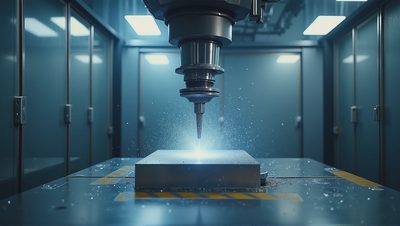
- This “disproves the widespread rumour that water-miscible cooling lubricants/metalworking fluids (MWF) can damage CFRP.”
- Oemeta notes it “was involved in this project.”
For fleet and industrial manufacturing stakeholders, the practical meaning is procurement flexibility: water-miscible fluids are not categorically disqualified for CFRP machining based on the rumor described. In the lab we’d phrase this as “compatibility claims require test-backed validation” — on the shop floor it means you should base coolant selection on verified performance and material compatibility data, not hearsay.
Defense and aerospace manufacturing focus: DPRTE and DSEI
The source highlights two UK-facing trade events where Oemeta plans to present:
- DPRTE 2026 (posted December 11, 2025): Oemeta UK will be present and will “highlight the latest developments in high-performance metalworking fluids for defence manufacturing.” The source emphasizes these solutions support “precision, sustainability, and efficiency in demanding engineering environments,” and notes location details: Make UK Defence Pavilion, Stand M35.
- DSEI 2025 (posted September 3, 2025): Oemeta will showcase “future-ready solutions for sustainable manufacturing,” ranging from “innovative metalworking fluids to tailored fluid management,” positioned to combine “efficiency with environmental responsibility,” with stand information: Stand N4-110.
No performance metrics, cost figures, or interval claims are provided in the source, so any ROI or service-life quantification would be speculation and is intentionally omitted here.
User-facing application support: Mazak at AMB Stuttgart
On September 20, 2024, Oemeta reports supporting customer Mazak at AMB Stuttgart 2024, stating that:
- Oemeta metalworking fluid was used in the machine tools on display.
- The fluid “ensured smooth and precise machining processes.”
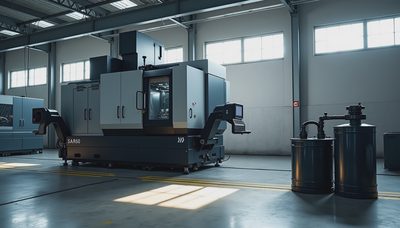
This is a practical reminder that OEM-aligned demonstration environments often highlight stability (foam control, lubricity, corrosion inhibition, and residue control) because those factors directly affect surface finish and dimensional accuracy — outcomes that drive rework rates and delivery performance.
Training, alignment, and market messaging
The source also references:
- A “Coolant myths busted” event participation with Irish partner Novatech Engineering at Manufacturing Solutions Ireland (June 3, 2025), framed as helping users “take control of your coolant challenges.”
- A “Machining Innovations Conference 2025” presence (February 18, 2025) linked to “future of manufacturing technology in the aerospace industry.”
- An internal “General Manager Meeting 2024” for global alignment (May 21, 2024).
- A note referencing “Information on the new version of VDI 3035” (February 28, 2024), though the source excerpt is truncated and provides no actionable details.
Operational Impact (maintenance, TCO, and shop-floor implications)
For maintenance supervisors and procurement specialists, the key operational takeaway is how to convert research headlines and event claims into control-plan actions.
1. Treat coolant myths as a maintenance cost risk.
The DGMK 843 point matters because myths can drive unnecessary fluid restrictions, forcing plants into suboptimal choices that increase total cost of ownership (TCO) via higher concentrate consumption, poorer tool life, or more frequent sump changes. In the lab we call this “constraint-driven optimization error” — on the shop floor it’s paying more to get less stability.
2. Revisit CFRP-related coolant selection criteria.
The source’s claim is not that every fluid is optimal, but that “all types” tested can be used “in principle.” For CFRP machining stakeholders, that supports re-checking internal specifications that blanket-ban water-miscible fluids without test justification. Tie that review to recognized test methods and documented supplier data.
3. Fluid management belongs in the preventive maintenance schedule.
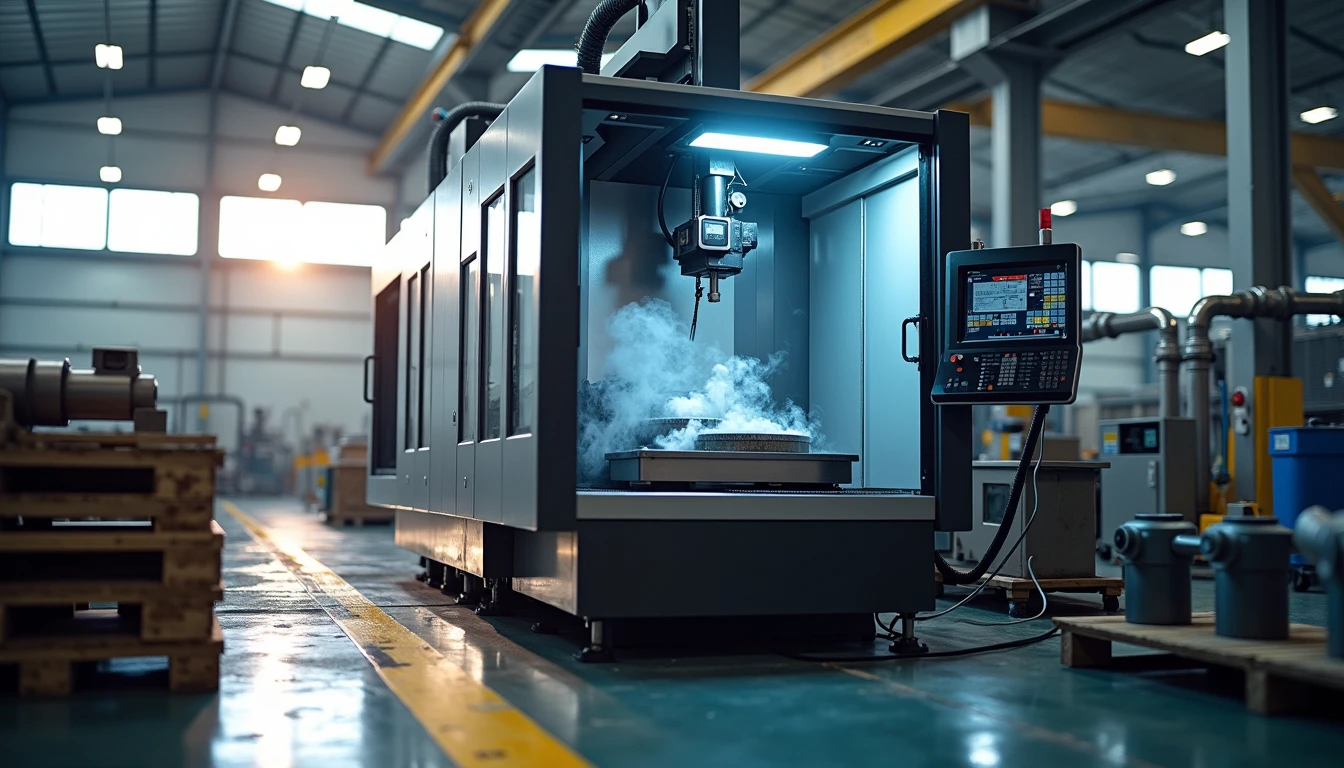
Oemeta’s repeated emphasis on “tailored fluid management” indicates a service model, not just product supply. Practically, stable coolant condition reduces unplanned stops tied to odor, tramp oil loading, concentration drift, and corrosion events. Even without numeric intervals in the source, the business logic is consistent: better control typically increases MTBF for tools and reduces scrap risk.
4. Align documentation to standards and audit expectations.
While the source does not cite specific compliance regimes, defense and aerospace supply chains commonly require stronger process documentation and traceability. For decision-makers, this is where you should insist on: documented concentration control practices, recorded corrective actions, and safety data sheet governance aligned to internal EHS requirements. Where standards are applicable (ISO, ASTM, NLGI), require your supplier to map product performance claims to the relevant standards and test reports.
Application Note: CFRP machining in a mixed-material job shop
In the lab we call CFRP-related coolant concerns “material-compatibility hypotheses” — on your shop floor, it’s the fear that coolant will degrade composite edges or cause quality drift. The DGMK report 843 statement cited in the source supports a controlled trial plan rather than a blanket prohibition: define acceptance criteria (surface integrity, dimensional stability, tool wear), run a documented pilot with your existing water-miscible program, and compare against your baseline using the same inspection plan.
Application Note: Defense manufacturing supplier auditing
In the lab we talk about “process robustness” — on your shop floor, it means passing customer audits without last-minute firefighting. Oemeta’s DPRTE 2026 positioning around “precision, sustainability, and efficiency” is a cue to ask vendors for auditable evidence: fluid condition monitoring approach, corrective-action workflows, and how they support stable machining across shifts.
What to Watch (market direction and standards signaling)
- Evidence-led selection over tradition-led selection. The DGMK 843 mention is a sign that coolant selection narratives are being challenged by organized testing. Expect more customers to ask for test-backed justifications rather than anecdotal rules.
- Sustainability messaging paired with performance. Oemeta frames future-ready solutions as combining efficiency with environmental responsibility (DSEI 2025). For fleet-adjacent manufacturing (components, rebuild programs), sustainability requirements can arrive through customer scorecards before they arrive through regulation.
- Standards awareness, but verify the details. The source references an update to VDI 3035 without providing details. Treat this as a prompt to monitor the actual guideline revision and assess whether it impacts your internal specifications, particularly around coolant management documentation.
Bottom Line (what fleet and ops managers should do next)
Use the DGMK report 843 takeaway cited by Oemeta to pressure-test internal rules that categorically exclude water-miscible fluids for CFRP machining, and require suppliers to back compatibility and performance claims with standards-referenced documentation. If you supply defense or aerospace programs, treat “fluid management” as part of your preventive maintenance schedule and audit readiness plan — not a discretionary add-on.