When a paper mill's dryer section seizes up at 2 a.m., the root cause is rarely a single manufacturing defect. More often, it's a sequence of small lubrication failures—wrong grease, contaminated oil, missed drain interval—that compound over months. Equipment reliability training addresses exactly this chain of events. By giving maintenance teams the analytical tools to recognize early warning signs in oil analysis, vibration patterns, and operating temperatures, training programs can slash unplanned downtime by 30–50% and extend component life by a factor of two or more. In the lab we call this a failure modes and effects analysis (FMEA) paired with condition-based maintenance—on your shop floor, it means fewer midnight calls.
The Link Between Lubrication Science and Equipment Reliability
Equipment reliability training is not a generic maintenance workshop. It’s a structured curriculum rooted in tribology—the study of friction, wear, and lubrication. A well-designed program covers how lubricants interact with surfaces under various loads, speeds, and temperatures. Participants learn to read ISO viscosity grades, understand NLGI consistency numbers for greases, and interpret ASTM D445 viscosity measurements.
The payoff is direct: when a technician spots an unexpected viscosity drop in a hydraulic system, they don’t wait for a catastrophic failure. They know it means fluid degradation from thermal stress or water ingress, and they can schedule an oil change before the pump seizes. That’s the essence of equipment reliability training—turning raw data into decisions that prevent downtime. By the relevant standard (ISO 55000), this is asset management in action.
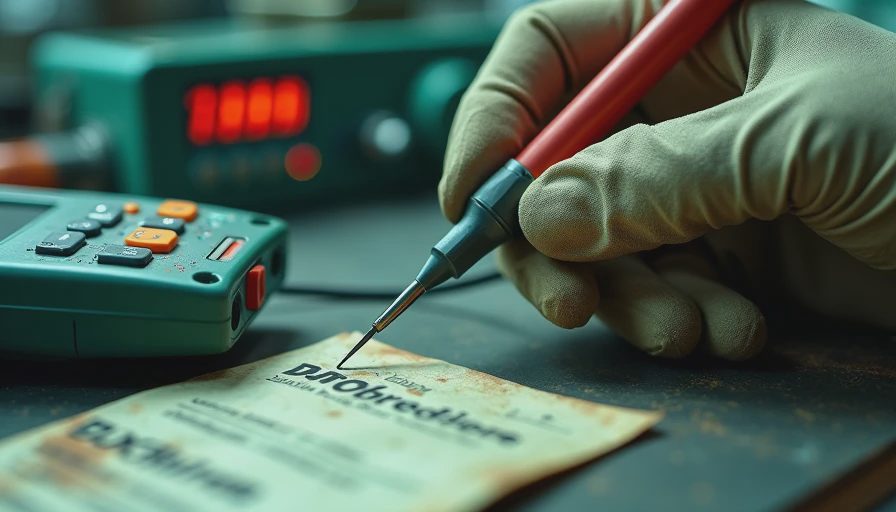
Three Failure Modes That Training Directly Prevents
Most lubrication-related equipment failures fall into three categories. Equipment reliability training addresses each with specific countermeasures.
1. Abrasive Wear from Contamination
Particles between 5 and 15 microns are invisible to the naked eye but act like grinding paste on bearings. Training teaches participants to set and enforce cleanliness targets using ISO 4406 cleanliness codes. A typical goal for a gearbox is ISO code 18/16/13. Without training, many plants operate at 22/20/17—and wonder why bearings last only six months.
Application Note: A lumber mill in Oregon reduced gearbox replacements from four per year to one after implementing a contamination control program taught during equipment reliability training. Savings: $28,000 annually in parts alone.
2. Loss of Viscosity and Film Strength
Thermal degradation or dilution from fuel or process fluids causes oil to lose viscosity. Training covers how to use ASTM D7279 for kinematic viscosity and how to interpret results. When viscosity drops below the grade minimum, boundary lubrication occurs—metal-to-metal contact that leads to scuffing and seizure.
3. Grease Starvation or Over-Greasing
Bearings need the right amount of grease at the right interval. Over-greasing causes heat buildup and seal damage; under-greasing leads to dry operation. Training introduces the NLGI consistency grade and calculates re-greasing volumes based on bearing dimensions and speed factors (NDm). A common rule taught in equipment reliability training: fill 30–40% of the free space for ball bearings, and use a grease gun with a calibrated stroke counter.
What a Comprehensive Equipment Reliability Training Program Includes
Not all training is equal. Effective equipment reliability training covers at least these five modules:
- **Oil sampling techniques** – Proper sampling locations, avoiding dead legs, and using clean bottles per ASTM D4057.
- **Oil analysis interpretation** – Viscosity, acid number (ASTM D974), water content (ASTM D6304), particle count, and elemental spectroscopy.
- **Contamination control** – Breathers, desiccant filters, offline filtration, and target ISO cleanliness codes for each machine type.
- **Lubricant selection** – Matching base oil type (mineral, PAO, ester) and additive package to operating conditions.
- **Storage and handling** – Avoiding cross-contamination, proper drum storage, and use of dedicated transfer containers.
Training sessions typically run two to five days, with a mix of classroom theory and hands-on labs. Some programs offer certification through organizations like the International Council for Machinery Lubrication (ICML) or STLE’s Certified Lubrication Specialist (CLS) credential. The cost for a team of ten can range from $8,000 to $15,000, but the return on investment is often recouped in the first year from avoided downtime.
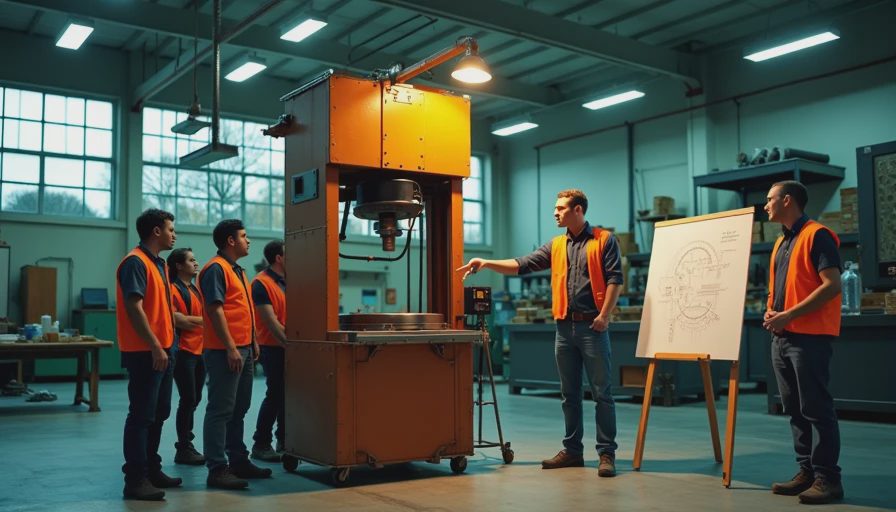
Measuring the ROI of Equipment Reliability Training
Quantifying the impact of equipment reliability training is straightforward when you track key performance indicators. Plants that have implemented comprehensive programs report:
- **Unplanned downtime reduction:** 35–50% within 12 months
- **Oil consumption decrease:** 20–40% due to extending drain intervals via condition monitoring
- **Bearing life extension:** 2–3 times longer lubricated appropriately
- **Spare parts spend:** 25–50% lower for wear-related components
Consider a chemical processing plant that spent $180,000 annually on bearing replacements. After sending their maintenance crew through a 40-hour equipment reliability training course plus a three-month follow-up coaching period, they cut bearing failures by 60%—saving $108,000 in the first year. The training itself cost $12,000.
Common Pitfalls and How to Avoid Them
Even the best equipment reliability training fails if not implemented correctly. Three traps to watch for:
- **No management buy-in:** Training must be reinforced by leadership. If managers ignore oil analysis reports, technicians will stop taking samples.
- **One-size-fits-all curriculum:** A mining operation needs different training than a food processing plant. Tailor modules to your equipment and lubricant types.
- **No follow-up:** A single three-day course delivers minimal lasting change. Pair training with on-site coaching, regular audits, and refresher sessions every 12–18 months.
By the relevant standard (ISO 55001), a successful asset management system includes a competent workforce. Equipment reliability training is the most direct path to that competency.
Getting Started with Equipment Reliability Training
If your maintenance team is still relying on “the way we’ve always done it,” it’s time for an upgrade. Start by assessing your current failure rates and identifying the top five lubrication-related failures. Then look for training providers that offer modules aligned with ISO 18436 (condition monitoring) and ICML’s body of knowledge. Many local chapters of STLE and Noria host public courses, or you can bring a trainer on-site for a dedicated session.
Equipment reliability training is not an expense—it’s an investment that pays dividends in every gearbox that doesn’t fail, every pump that keeps running, and every night you spend asleep instead of in the plant. In the lab we call this proactive reliability engineering—on your shop floor, it means peace of mind.




No feedback yet — submit the first.