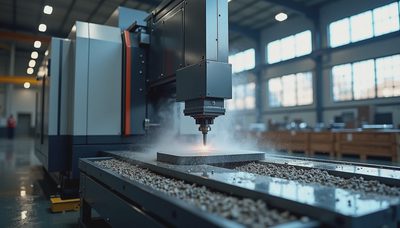
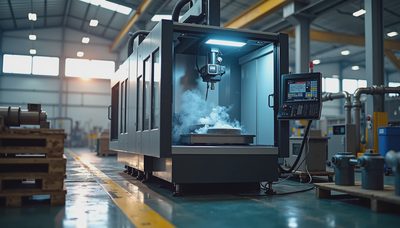
Metalworking fluids sit at the center of one expensive shop-floor problem: heat, friction, and chip removal happening at the same time. If the fluid is wrong, poorly mixed, or badly maintained, you usually see the same sequence: short tool life, poor surface finish, tramp oil buildup, odor, and unplanned sump cleanouts. In the lab we call this tribological and chemical control of the cutting zone — on your shop floor, it means whether the machine keeps making good parts through the end of the shift.
What metalworking fluids actually do
Metalworking fluids are not just “coolant.” They perform several jobs at once: reduce friction at the tool-workpiece interface, carry heat away from the cut, flush chips from the cutting zone, protect machine surfaces from corrosion, and hold fines in suspension until filtration or settling can remove them. By the relevant standard, properties such as emulsion stability, corrosion resistance, foam tendency, and pH matter because each one affects production quality.
The main categories are straight oils, soluble oils, semisynthetic fluids, and synthetic fluids. Straight oils provide strong lubricity and are common in severe operations like broaching or deep-hole cutting, but they remove heat less effectively than water-based systems. Soluble oils form emulsions in water and offer a balanced combination of lubricity and cooling. Semisynthetics usually give better cleanliness and stability, while synthetics are often selected where cooling, low residue, and sump life are priorities.
Selection starts with the process. Grinding usually favors cooling and cleanliness. Tapping and difficult alloys often need more boundary lubrication, meaning protection when full fluid film is not maintained. Three failure modes, one root cause — here they are: wrong fluid family, wrong concentration, or wrong contamination control.

How to choose the right fluid for the operation
The correct choice of metalworking fluids depends on material, operation severity, machine design, water quality, and downstream requirements. Aluminum machining, for example, can be sensitive to staining and residue. Cast iron introduces fines that challenge filtration and sump cleanliness. Titanium and nickel alloys generate high heat and often benefit from fluids with stronger lubricity packages.
Water quality deserves more attention than it gets. Hardness, alkalinity, chloride content, and microbial load can all shift fluid performance. ASTM D1126 covers water hardness terminology; on the floor, that means your emulsion can become unstable before the tool ever touches metal. If your make-up water is inconsistent, a central mixing station or treated water supply often pays back quickly through longer sump life and fewer concentration swings.
**Application Note:** For CNC machining centers running mixed aluminum and low-carbon steel work, a semisynthetic fluid is often the practical middle ground. It tends to offer cleaner machine interiors than a heavily oiled emulsion while retaining enough lubricity for general milling and drilling. If you are running high-pressure coolant through-spindle, also evaluate foam tendency carefully; aeration can collapse delivery right where cooling matters most.
Compatibility matters too. Check seals, coatings, way lubricants, and any post-process washing step. A fluid that cuts beautifully but leaves residue that interferes with coating or welding is not a successful selection.
Concentration, pH, and contamination control
Most problems with metalworking fluids are management problems, not formulation problems. Concentration is the first control point. Too lean and corrosion protection, lubricity, and biological resistance usually fall off. Too rich and you increase residue, mist, and operating cost. A handheld refractometer is the standard field tool, but it only works if you apply the supplier’s refractive index factor correctly.
pH is your next early-warning signal. Many water-miscible systems operate in an alkaline range to support corrosion control and biological stability. A drifting pH can indicate microbial activity, contamination, or dilution issues. If concentration is in range but pH keeps sliding, inspect make-up practices, tramp oil ingress, and chip handling before blaming the fluid itself.
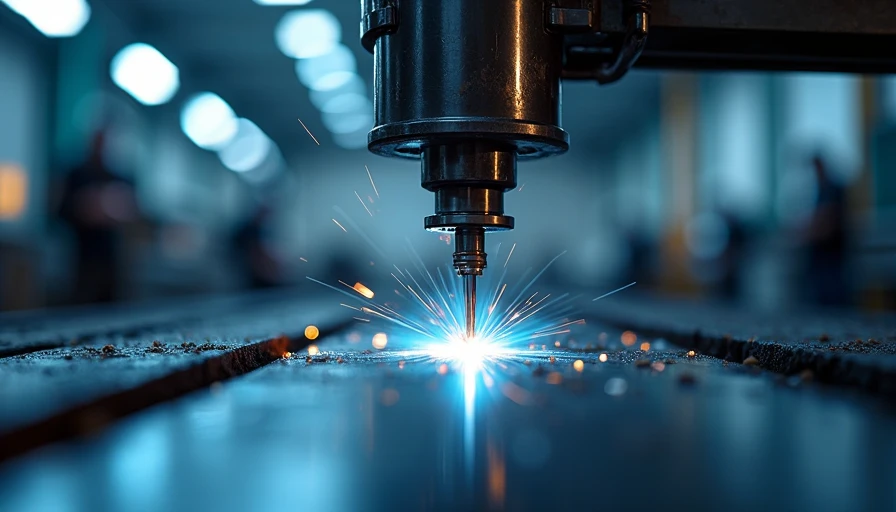
Contamination usually arrives from four directions: tramp oil, fines, dissolved salts, and microbes. Tramp oil blocks oxygen transfer and creates a surface layer where anaerobic growth can thrive, driving odor complaints. Fine metallic particles accelerate wear on pumps and can scratch finished surfaces. Poor chip evacuation raises recutting, which increases heat and damages finish.
**Application Note:** On machines with heavy way-lube leakage, a belt skimmer or coalescer is often a better first investment than a full fluid change. In the lab we call this contamination exclusion — on your shop floor, it means stopping one gallon of unwanted oil from ruining 200 gallons of usable coolant.
Common failure patterns and how to troubleshoot them
When metalworking fluids fail, the symptoms are usually visible before they become catastrophic. Foam at the tank top often points to low concentration, soft water, excessive return-line turbulence, or air leaks on the pump suction side. Rust on fixtures or machine tables can indicate low concentration, poor inhibitor reserve, or carryover from aggressive cleaners.
Short tool life needs a more disciplined diagnosis. Start with concentration, then verify nozzle placement, flow, and pressure. After that, check whether the fluid family matches the operation severity. A grinding fluid chosen for cooling will not rescue a tapping operation that needs higher lubricity. Surface finish issues can come from the same mismatch, but also from fines loading and recutting.
Odor complaints nearly always involve contamination and housekeeping. Dead zones in the sump, packed chip conveyors, and weekend stagnation all support microbial growth. A biocide program, where permitted and properly managed, is not a substitute for fluid turnover, aeration control, and chip removal. By the relevant standard and good practice, a clean system is easier to stabilize than a chemically treated dirty one.
A practical control plan for longer sump life
If you want metalworking fluids to stay stable, build a routine instead of relying on operator memory. Check concentration at least several times per week on critical machines, and daily on unstable ones. Trend pH, top off with correctly mixed make-up fluid rather than plain water, and document every addition. Skim tramp oil. Remove fines. Clean nozzles and verify flow during preventive maintenance.
For most plants, the best return comes from standardizing a small number of fluids across similar operations, training operators on mixing order, and keeping one clear response plan for foam, odor, corrosion, and finish defects. Water first, then concentrate when mixing; reversing that order can destabilize some emulsions. That one habit alone prevents many avoidable issues.
My practical recommendation is simple: treat metalworking fluids as a process asset, not a consumable afterthought. When the fluid matches the operation and the controls are disciplined, you buy back tool life, dimensional consistency, and uptime. If your current sump program feels reactive, start with concentration control and contamination removal. Those two steps usually change the whole story.