The engineering problem is rarely the bottle on the shelf; it is the mismatch between lubricant chemistry, engine duty, and contamination load. Diesel and gasoline engine oil must control wear, carry heat, suspend soot, resist oxidation, and protect emissions hardware without creating a new failure mechanism. A light-duty gasoline engine, a turbocharged pickup, and a high-hour industrial diesel can all require different formulations even when their viscosity grades look similar.
Viscosity is the first filter, not the final answer. SAE 5W-30, 10W-30, and 15W-40 describe how an oil flows at low and operating temperatures under SAE J300. They do not, by themselves, prove that an oil has the detergent reserve, oxidation stability, or aftertreatment compatibility needed for a particular engine. Read the equipment manual, identify the service category, and then verify the product data sheet.
What the oil must control inside the engine
A lubricant operates in a severe chemical environment. Combustion produces heat, water vapor, acids, unburned fuel, and fine particles. Diesel engines generally create more soot and can experience higher cylinder pressures, while gasoline engines can impose fuel dilution, high piston temperatures, and low-speed pre-ignition risks in some modern turbocharged designs. These are tendencies, not universal rules, which is why application matters more than fuel type alone.
Detergents and dispersants keep deposits and insoluble material suspended or chemically controlled until the oil reaches the filter or drain interval. Anti-wear additives protect boundary contacts when the hydrodynamic oil film becomes too thin. Antioxidants slow the reaction between oil and oxygen at high temperature. In the lab we call this additive balance; on your shop floor, it means fewer sticky rings, cleaner valve-train components, and more predictable used-oil results.
Diesel and gasoline engine oil also has to manage viscosity loss. Mechanical shear can reduce the viscosity of a polymer-thickened multigrade, while fuel dilution can thin it much faster. Conversely, oxidation and soot loading can increase apparent viscosity. A dipstick reading tells you level, not condition; a laboratory sample is far more useful when a failure investigation is underway.
Standards that make product claims meaningful
API service categories are a practical starting point for North American equipment. Gasoline categories use the S designation, while diesel categories use C designations, although modern oils can carry multiple approvals or claims. The exact category required depends on the engine design and model year. Do not assume that a newer category is automatically suitable for every older diesel, because additive levels and emissions-system requirements can differ.
ILSAC specifications commonly appear on passenger-car gasoline oils, with requirements covering fuel economy, deposit control, oxidation, and protection against modern low-speed pre-ignition. Heavy-duty diesel products may instead emphasize API CK-4 or another manufacturer-approved specification. European engines may require ACEA sequences, and some manufacturers require proprietary approvals. JASO standards are especially relevant in powersports, where motorcycle clutch compatibility can make an automotive friction-modified oil unsuitable.
By the relevant standard, the claim matters more than the marketing adjective. “Premium,” “fleet,” and “synthetic technology” are not performance specifications. Look for the API donut, an explicit manufacturer approval, or a technical data sheet that identifies the test standard. ASTM test methods support measurements such as kinematic viscosity, flash point, volatility, and oxidation behavior, but an ASTM result is not the same thing as an engine approval.

Application Note: For a mixed fleet containing gasoline service vans and diesel-powered generators, create an equipment matrix. Record engine model, oil capacity, SAE grade, required API or OEM specification, filter part number, and planned drain interval. A shared bulk tank is acceptable only when the oil satisfies every listed requirement. The cheaper logistics option becomes expensive if one engine receives an incompatible formulation.
When one oil can serve both fuel types
Some products are intentionally formulated for both fuels. A fleet oil carrying appropriate gasoline and diesel service claims can simplify storage and reduce the chance of filling an engine from the wrong drum. That does not mean one product is ideal for every asset. A modern gasoline car with a gasoline particulate filter may require a low- or mid-ash formula, while an older off-road diesel may prioritize a larger detergent reserve and a different viscosity grade.
The key distinction is shared suitability, not shared convenience. Compare sulfated ash, phosphorus, sulfur, volatility, viscosity index, and OEM approvals. Sulfated ash is the noncombustible residue left after a standardized test; excessive ash can contribute to deposits in some exhaust aftertreatment systems. Diesel and gasoline engine oil selected for a mixed fleet should be confirmed against the most restrictive application rather than chosen from the broadest advertising language.
A practical example is a repair shop with a 2018 gasoline turbo sedan, a 2014 diesel service truck, and a portable diesel generator. The sedan may specify a low-viscosity oil with a current ILSAC category. The truck may require an API CK-4 5W-40 or 10W-30 product, depending on its manual. The generator may specify a straight or multigrade heavy-duty oil and a shorter calendar-based interval. One shelf label cannot replace those checks.
Viscosity, temperature, and operating duty
Choose viscosity from the engine maker's temperature chart, then adjust only when the manual permits it. The “W” grade describes low-temperature performance, while the second number describes viscosity at operating temperature. A 5W-30 and 15W-40 are not interchangeable simply because both are multigrades. Cold cranking, pumpability, bearing clearance, oil-pump design, and ambient temperature all influence the decision.
Duty cycle is equally important. Short idling periods, repeated cold starts, high-load towing, dusty construction work, marine operation, and long highway runs produce different stress patterns. A diesel generator running at steady load accumulates operating hours, while a delivery van may accumulate contamination through frequent starts and extended idling. Calendar time matters when moisture and oxidation progress even while mileage remains low.
In the lab we call this the lubrication regime; on your shop floor, it means the oil film may be adequate during a steady highway run but marginal during a hot idle, cold start, or heavily loaded climb. Record oil temperature where practical, inspect filters, and correlate maintenance findings with duty rather than guessing from mileage alone.
Sampling and changing the lubricant
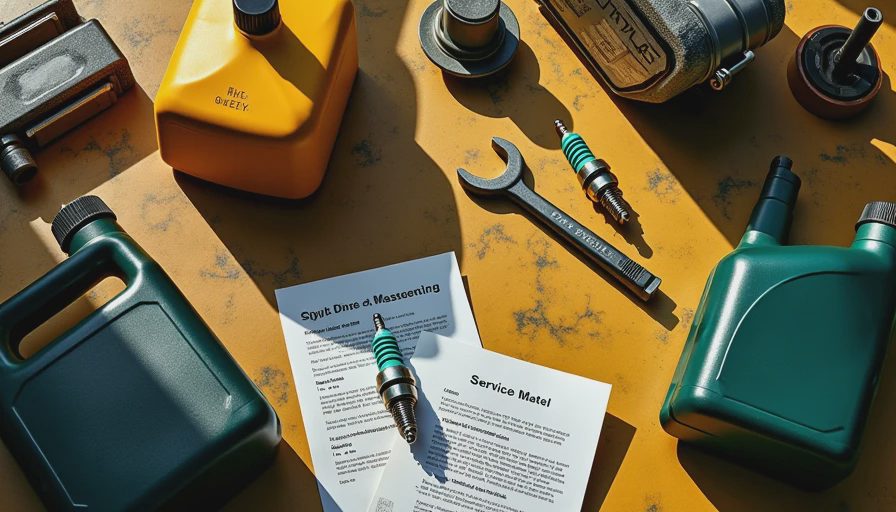
A good oil-management program begins with a repeatable sample. Take the sample from a fully warmed engine, preferably midstream rather than from the first drain flow or the bottom of a dirty catch pan. Use a clean bottle, label engine hours or miles, identify the oil and filter, and note makeup oil added since the previous sample.
Useful laboratory measurements include viscosity at 40 and 100 degrees Celsius, wear metals, coolant indicators, fuel dilution, water, oxidation, nitration, and particle contamination. Trend results over time instead of reacting to a single number. Rising iron with stable viscosity suggests a different problem from rapidly falling viscosity with elevated fuel dilution. Neither result should be interpreted without operating history.
Filter inspection adds physical evidence. Ferrous fuzz on a magnetic inspection tool, bright nonferrous flakes, carbonaceous sludge, or a collapsed filter element can change the urgency of an investigation. Drain intervals should follow the manual and operating evidence; extending them solely because the oil appears clean is poor practice, while changing early without examining contamination can waste money and conceal the root cause.
A practical selection procedure
Start by writing down the exact engine model and its required specification. Next, identify the ambient temperature range, load pattern, fuel quality concerns, emissions equipment, and oil capacity. Then compare candidate products by SAE grade, API or ILSAC category, ACEA sequence where applicable, and documented OEM approval.
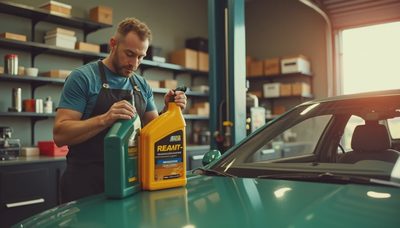
Before filling, verify the container has not been stored open, overheated, or contaminated with water or another lubricant. Confirm the filter specification and inspect the drain plug, seal, and breather system. After service, record the product name, batch or lot information when available, quantity, date, and engine hours. This simple record turns a routine oil change into useful reliability data.
The right diesel and gasoline engine oil is therefore not the most expensive product or the one with the longest promise on its label. It is the formulation that meets the engine's stated standard, maintains the required viscosity under its real duty, and produces stable evidence in service. Build your selection around specifications and trends, not slogans. That approach protects bearings, rings, turbochargers, catalysts, particulate filters, and maintenance budgets at the same time.



No feedback yet — submit the first.