High milage oil is not a miracle cure; it is a formulation choice. If a car has crossed 75,000 to 100,000 miles, the questions are usually oil consumption, small seal leaks, cold-start noise, and whether the engine still holds the viscosity the manual asked for. By the relevant standard (SAE J300), the grade still governs flow at low temperature and film strength at operating temperature. API SP, ILSAC GF-6, and manufacturer approvals like GM dexos1 Gen 3 tell you the oil still meets modern protection targets. In the lab we call this seal conditioning and volatility control — on your shop floor, it means fewer top-offs and a cleaner driveway. If the engine has low pressure or metal in the oil, diagnosis comes first.
What the label usually means
High milage oil usually keeps the same SAE viscosity grade as the normal version, but the additive package shifts. Many formulas add seal conditioners, stronger detergents, and more deposit control so hardened seals can swell back a little and varnish does not build as quickly. Some also tune antiwear chemistry within the category limits, which matters in a hot timing-chain case or a small turbo bearing. That is helpful on an engine that is still fundamentally healthy. It is not helpful if a valve cover gasket is torn, a PCV valve is stuck, or the rings are worn enough to let oil into the combustion chamber. By ASTM D445, viscosity is measured in a lab at controlled temperatures; on the road, the practical point is simple: the oil should stay in grade long enough to protect bearings, cams, and turbochargers. If your manual calls for 5W-30, choose a 5W-30 high mileage product, not a random thicker bottle.
Where it earns its keep
A worn but serviceable commuter is the best case. Think of a 120,000-mile sedan that loses half a quart between changes, leaves a damp valve cover, and sounds a little harsher on cold starts. Here, high milage oil can buy time and reduce nuisance top-offs. Application Note: on a four-cylinder engine with a known seep but no cooling-system contamination, I would stay in the OEM grade, move to a high mileage formula in that grade, and monitor the dipstick after 500 miles and again after 1,500 miles. If the oil consumption settles down, the change paid for itself quickly. At a shop price of roughly $55 to $95 for a conventional change or $70 to $120 for a full synthetic service, the premium for the high mileage version is often modest compared with one extra quart every month. That is the practical economics of high milage oil.

When it is the wrong fix
There are three failure modes, one root cause — here they are: a worn seal, a failing PCV system, and internal wear. The first may improve with the right oil, the second may be helped for a while, and the third needs mechanical attention. If the exhaust is blue after long idling, if coolant is mixing with oil, or if the oil pressure light flickers at hot idle, the engine needs diagnosis, not marketing. Compression testing, leakdown testing, and a look at maintenance history tell the story faster than any bottle label. In turbocharged engines, a thicker grade can also create more heat and pumping loss if it is outside the approved range. That matters because the oil has to protect the bearings and the turbo shaft at the same time. If the vehicle is under warranty or calls for a specific approval, such as dexos or a European ACEA category, follow that first and treat the high-mileage label as secondary. The wrong bottle will not rescue a slipped chain, a clogged oil pickup, or sludge that has already narrowed the oil passages.
How to choose the right bottle
Start with the owner’s manual, then choose the viscosity grade the manual names. If it says 0W-20, buy 0W-20; if it says 5W-30, buy 5W-30. A high mileage label does not grant permission to improvise. For modern gasoline engines, API SP or ILSAC GF-6 is the right baseline, and synthetic options are common from brands such as Mobil 1, Valvoline, Pennzoil, and Castrol. The point is not the brand name itself; it is the data sheet behind it. In the lab we call this viscosity-temperature balance — on your shop floor, it means easy cranking on a January morning without starving the camshaft. If you tow, idle in traffic, or live in a hot climate, a full synthetic in the correct grade is usually the cleaner choice than a cheap upsize in thickness. That is where high milage oil proves useful: same spec, better control of seepage and consumption, without fighting the engine’s design.
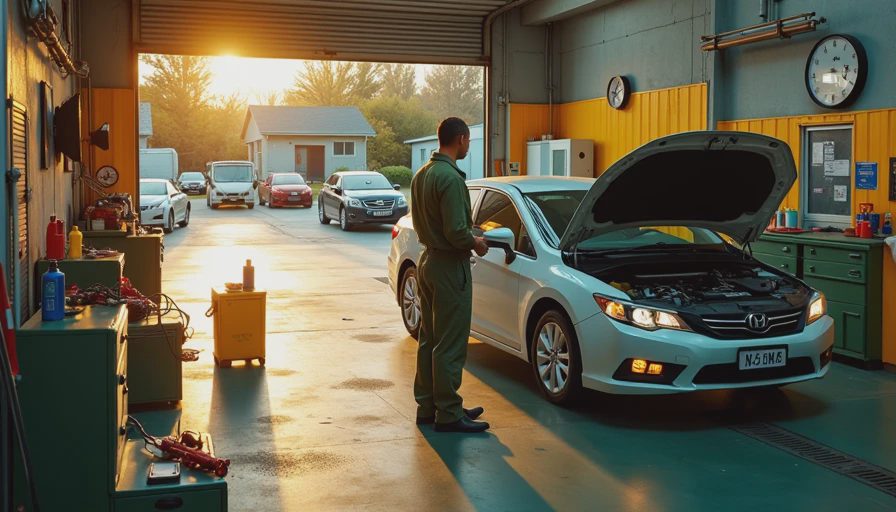
A service interval that makes sense
A practical change interval is simple. Replace the filter, fill the crankcase with the specified amount, and check the dipstick after the first long drive and again at the next fuel stop. If consumption drops, keep the same interval. If it does not, the issue is probably mechanical, not chemical. For most drivers, the real gain from this kind of oil is not a dramatic horsepower change; it is steadier oil level, less smoke at startup, and fewer leaks onto a garage floor. That is why I prefer a measured trial over a guess. Run one interval, note the top-off amount, and compare it with the previous fill. If the engine is still clean and the spec is right, you have your answer. If not, the next dollar should go to a diagnosis, not a different label. Keep receipts if the vehicle is still under a powertrain warranty; that paper trail matters more than a bottle color. For a 100,000-mile car, high milage oil is a reasonable first move, but only when the manual grade and approvals come first.





No feedback yet — submit the first.