When a bearing runs hot, a gear tooth pits, or a hydraulic pump loses efficiency, the immediate question is often, what is the lubrication doing wrong? To answer what is the lubrication, we need to look beyond the oil can. Lubrication is the controlled use of a fluid, grease, or solid material to reduce friction, limit wear, carry heat, prevent corrosion, and remove contaminants from moving surfaces. In industrial equipment, it is a designed operating system, not a last-minute maintenance task.
What Is the Lubrication Mechanism?
Two metal surfaces appear smooth to the eye, but under magnification they contain peaks and valleys called asperities. If those asperities contact one another under load, they generate friction and wear. A lubricant separates the surfaces with a film. In the lab we call this film formation; on your shop floor, it means fewer damaged components and a longer service interval.
The film can work in several ways. Hydrodynamic lubrication creates a complete fluid layer because motion draws oil into a converging clearance. Journal bearings often operate this way. Elastohydrodynamic lubrication, or EHL, occurs where high pressure and elastic deformation create a very thin but durable film between rolling elements or gear teeth. Boundary lubrication applies when speed is low, load is high, or the surfaces are starting and stopping. Here, chemical additives protect the metal when a full fluid film cannot form.
A useful engineering answer to what is the lubrication must therefore include operating conditions. Load, speed, temperature, surface finish, clearance, contamination, and lubricant viscosity all influence the result. The same ISO VG 68 hydraulic oil that works well in one machine can be too thick for a cold-start system or too thin for a heavily loaded application.
Viscosity describes a fluid's resistance to flow. ISO 3448 defines industrial viscosity grades, such as ISO VG 32, 46, and 68, based on kinematic viscosity at 40 degrees C. A higher number generally means a thicker oil at that reference temperature. It does not automatically mean better protection. Excessive viscosity can increase churning losses, heat, and energy consumption.
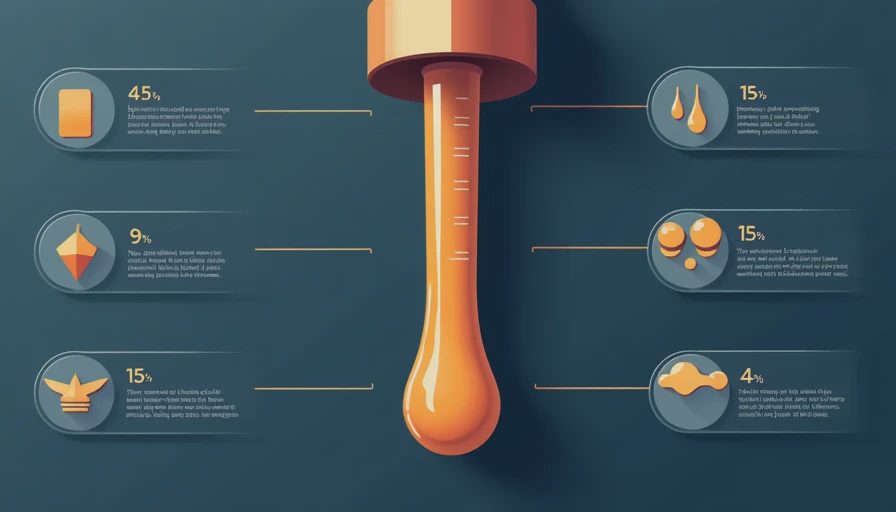
What Is the Lubrication Doing in Common Equipment?
In a gearbox, lubrication forms a load-carrying film across gear contacts and helps transport heat toward the housing. Gear oils also rely on additives for extreme-pressure protection, oxidation resistance, rust control, and foam suppression. The correct product is selected by the gearbox maker's requirements and relevant classifications, not by viscosity alone. Industrial gear oils are commonly discussed using ISO viscosity grades, while automotive gear oils may use SAE grades and API performance categories.
In rolling-element bearings, too much grease can be as harmful as too little. Overgreasing raises temperature because the rolling elements must push through excess material. The National Lubricating Grease Institute, or NLGI, grade describes grease consistency; NLGI 2 is common in general-purpose bearing applications, but consistency does not define the entire lubricant. Base oil viscosity, thickener type, additives, speed factor, load, and compatibility matter just as much.
Hydraulic systems require a different approach. Hydraulic fluid transmits power, lubricates pumps and valves, seals clearances, and carries heat to the reservoir. ISO 11158 covers mineral-oil hydraulic-fluid categories, while ISO 4406 provides a code for reporting solid-particle contamination. A fluid can look clean and still contain enough fine particles to damage servo valves or accelerate pump wear. Particle-count data is more useful than a visual inspection alone.
Application Note: On a paper-mill hydraulic power unit, I would treat the filter, breather, reservoir, and sampling port as part of the lubrication system. A premium fluid cannot compensate for a waterlogged breather or a sample taken from a stagnant drain line.
What Is the Lubrication Failure Pattern?
Three failure modes, one root cause: the film was not maintained under the actual conditions. First, abrasive wear occurs when hard particles cut the surfaces. Second, adhesive wear occurs when asperities weld together and tear apart. Third, fatigue wear appears as pitting, spalling, or flaking after repeated stress cycles. Lubricant degradation, contamination, wrong viscosity, and poor application can produce any of these patterns.
Water deserves special attention. In oil systems, dissolved water can reduce film strength and accelerate oxidation. Free water can promote rust, additive depletion, and bearing damage. On marine equipment in the Pacific Northwest, I pay close attention to condensation during idle periods because a machine can ingest moisture without a visible leak. Karl Fischer testing, commonly performed under ASTM D6304, can quantify water in many oils.
Oxidation is another important mechanism. Heat, air, catalytic metals, and time can transform oil into acids, varnish, and sludge. ASTM D664 can be used to measure acid number, while ASTM D445 measures kinematic viscosity. Trend data matters more than a single alarming number. A modest viscosity shift combined with rising acid number and varnish indicators tells a stronger story than any one result.
For that reason, the answer to what is the lubrication includes condition monitoring. Oil analysis, infrared spectroscopy, particle counting, ferrography, and periodic viscosity checks help identify problems before a bearing or gearbox fails. Sampling should be repeatable: use the same port, similar machine conditions, and a consistent interval.
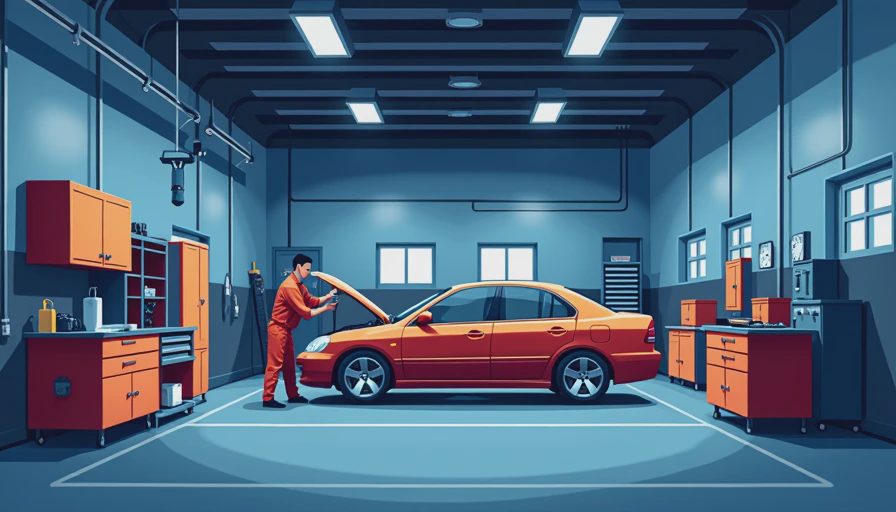
Selecting and Applying the Right Lubricant
Start with the equipment manual and component maker's specification. Record the required viscosity, base-fluid type, additive limitations, operating temperature, and compatibility requirements. Then verify the product data sheet and, when appropriate, the certificate of analysis. Do not mix mineral oil with a synthetic fluid simply because both have the same ISO VG grade; base oils and additive systems can behave differently.
For grease, establish a clean procedure. Identify the grease gun output per stroke, calculate the required quantity, wipe the fitting before connection, and add grease slowly while observing temperature or purge behavior. A bearing that needs 30 grams should not receive an unknown number of gun strokes. For oil systems, confirm the level using the manufacturer's method, inspect breathers, and keep containers sealed and labeled.
A practical lubrication program also needs an asset map. List each lubricated component, its product, quantity, interval, application method, and responsible technician. Color coding can reduce errors, but labels should include the actual lubricant name and viscosity. ISO 55000 principles for asset management support this disciplined approach, even though the standard does not prescribe a particular oil or grease.
Why Lubrication Standards Matter
Standards make technical language measurable. ISO 3448 gives industrial viscosity grades. NLGI grades describe grease consistency. ASTM D445 addresses kinematic viscosity, ASTM D6304 addresses water measurement, and ISO 4406 reports particle contamination. Each standard answers a specific question; none is a substitute for the complete equipment specification.
This is also what is the lubrication at its most practical: a controlled boundary between theory and maintenance action. A tribologist studies friction, wear, and lubrication. A reliability team turns that knowledge into correct storage, clean transfer, accurate dosing, sampling, and trend review. The result is not merely quieter equipment. It is predictable performance, lower energy loss, fewer emergency rebuilds, and better use of maintenance labor.
If you are troubleshooting a hot bearing or noisy gearbox, begin with the basics: confirm the lubricant identity, measure temperature, inspect for contamination, verify quantity, and review the last oil-analysis report. Then compare the operating load and speed with the original design assumptions. Understanding what is the lubrication gives your team a method for finding the root cause instead of repeatedly replacing expensive parts.


No feedback yet — submit the first.