Optimizing CNC Coolant Selection for Machining Throughput and Maintenance Efficiency
The Big Picture
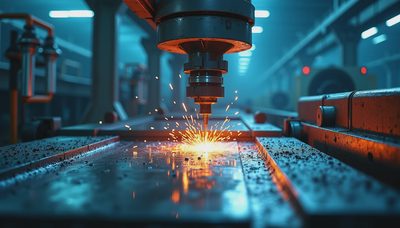
In industrial tribology, we analyze the interaction of surfaces in relative motion. On your shop floor, this translates to tool life, surface finish, and ultimately, machine throughput. Virtually all CNC machining centers and lathes today are designed to use water-based fluids. This shift from traditional "neat" oils is driven by thermal management and operator environment. Properly maintained coolant removes heat better than oil, especially when machining aluminum and other nonferrous alloys. Furthermore, water-based cutting fluids address the workplace hygiene issues associated with sulfur-based oils, ensuring operators do not go home reeking after a long day of manufacturing parts. For maintenance supervisors, the decision matrix is not just about lubrication; it is about balancing heat removal with lubricity to maximize equipment uptime.
Key Details
Coolant selection is categorized by oil content before dilution. Understanding these distinctions is critical for procurement specialists and maintenance managers. There are three categories of coolants that sometimes overlap: soluble oils, synthetic fluids, and semisynthetic fluids.
Soluble Oils
Also known as emulsifiable cutting fluids, soluble oils are the most common of all water-soluble cutting fluids. They are typically 50 percent oil before dilution. When mixed with water, they form a milky emulsion that is an excellent choice for general purpose machining. However, from a contamination control standpoint, they are prone to "Monday morning stink." This is a foul-smelling odor from microbiological growth of fungus and bacteria that can grow in your coolant sump if not properly maintained.
Synthetic Fluids
Synthetics contain no oil, using various polymers and chemical compounds to replicate oil's natural lubricity. In the lab, we analyze film strength; on your shop floor, this means tool protection. Because they contain no oil, they reject tramp oil, so they tend to be the cleanest of all cutting fluids. However, they are often the least lubricious. They are commonly used in grinding applications, but proponents suggest that synthetics can be tailored to virtually any metalworking operation.
Semisynthetic Fluids
Semisynthetics represent a compromise. They contain less oil than emulsion-based fluids and are therefore "less stinky," but they retain many of the same lubricating attributes. This makes them suitable for a broader range of work compared to straight synthetics.
Exceptions
Maintenance schedules must account for legacy or specialized equipment. Most Swiss-style screw machines continue to use straight oil, as do gear hobs, broaches and hones, gun drills, and other challenging machining operations.
Operational Impact
The choice of fluid directly impacts preventive maintenance schedules and total cost of ownership. All coolants contain additives that enhance lubricity, inhibit rust and bacteria growth, or reduce foaming. These additives react favorably during machining to provide additional lubricity in the cut. Among the most important are "extreme pressure" additives, commonly known as EP, and include chlorine, sulfur and phosphorus.
For the fleet manager overseeing industrial machinery, the operational risk lies in sump maintenance. The "Monday morning stink" associated with soluble oils indicates microbiological failure, which can lead to corrosion and degraded fluid performance. Synthetic fluids, while cleaner, may require different monitoring due to lower inherent lubricity. The goal is to invest in the cutting fluid that is best for machine throughput. If heat removal is the primary constraint, such as in aluminum machining, water-based fluids outperform oil. If lubricity is the constraint, such as in gun drills or Swiss machines, straight oil remains the standard.
What to Watch
Regulatory and environmental pressures continue to shift fluid chemistry. Many oil-based fluids have been replaced by vegetable oils and water-soluble cutting fluids. However, the chemical composition of additives remains a critical monitoring point. EP additives containing chlorine, sulfur, and phosphorus must be managed to ensure they react favorably during machining without causing downstream disposal issues.
Maintenance supervisors must verify that fluids are mixed properly for their particular application. Improper mixing can neutralize additives designed to inhibit rust and bacteria growth. Additionally, while CNC machining centers and lathes are designed for water-based fluids, procurement must ensure that specialized equipment like gear hobs and broaches are not mistakenly switched to water-based solutions, as these operations still require straight oil for challenging machining conditions.
Bottom Line
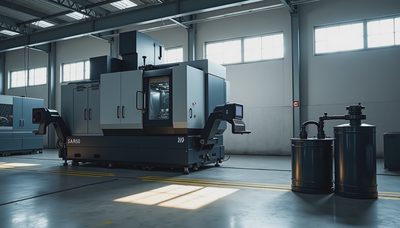
For industrial machinery managers, the directive is clear: evaluate your machine portfolio against fluid capabilities. CNC machining centers and lathes should utilize water-based fluids for superior heat removal and operator comfort. Swiss-style screw machines and specific tooling like gun drills require straight oil. When selecting water-based coolants, weigh the lubricity of soluble oils against the cleanliness of synthetics. Semisynthetics offer a middle ground for broader work ranges. Regardless of the fluid path you take, prioritize sump maintenance to prevent microbiological growth. Invest in the cutting fluid that is best for machine throughput, ensuring additives for rust inhibition and foaming reduction are active. Proper selection and maintenance directly correlate to reduced downtime and consistent part quality.