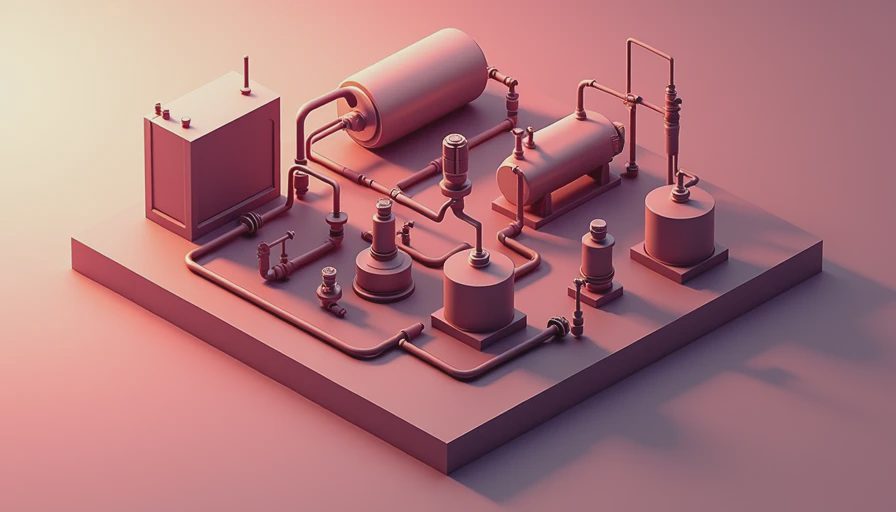
In the lab we call it fluid cleanliness — on your shop floor, it means the difference between a day of productive machining and a costly tool change. If you're running a CNC coolant filtration system that's undersized, poorly maintained, or absent entirely, you're leaving money on the table. A well-chosen **CNC coolant filtration system** removes the particles that accelerate tool wear, degrade surface finish, and shorten coolant sump life. In this guide, I'll walk through what a good system does, how to size one for your machines, and the standards that separate a proper solution from a band-aid.
Why Your CNC Coolant Filtration System Matters More Than You Think
The primary job of any coolant in a CNC operation is to lubricate the cutting interface and carry heat away. But as chips and fines accumulate, the coolant's viscosity shifts, its pH drops, and it becomes a slurry of abrasives. Without effective removal, those particles recirculate through the cutting zone, acting as a lapping compound. The result: accelerated tool flank wear, poorer surface finish, and shorter tool life. By the relevant standard (ISO 4406), a typical machining center without filtration might run at a cleanliness code of 22/20/17 — a condition that guarantees your inserts won't last their rated minutes.
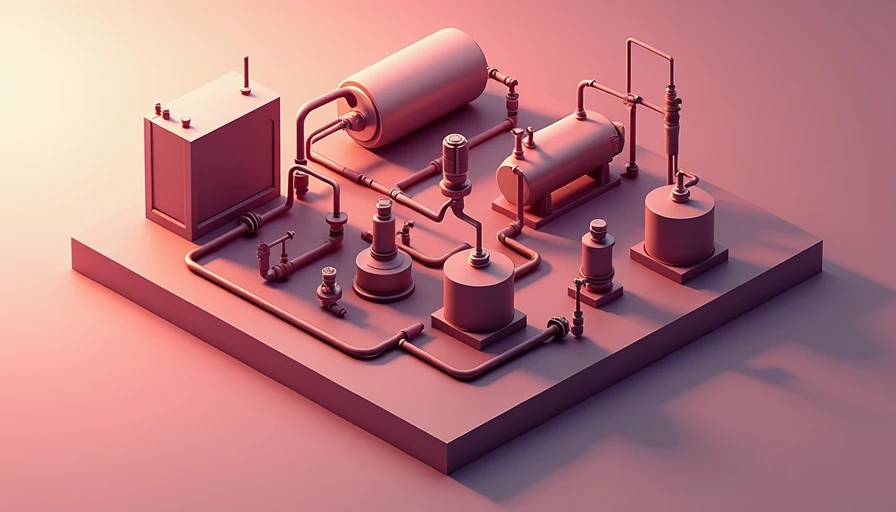
An efficient **CNC coolant filtration system** targets particles down to 10-20 microns or finer. That's roughly the size of a typical cast-iron chip fragment. Removing these keeps your coolant's lubricity intact and your tool edge sharp. Over a year, the savings in tooling alone often pay for the filtration hardware. For a medium-sized shop running three vertical mills, I've seen coolant sump life extend from 3 months to 18 months after installing a properly sized system. That's fewer disposal cycles, less downtime, and lower chemical costs.
Common Contaminants and How a CNC Coolant Filtration System Handles Them
Coolant contamination falls into three categories: solid particles (metal chips, swarf, grinding fines), tramp oils (hydraulic leaks, way lube), and biological growth (bacteria, fungi). A robust **CNC coolant filtration system** addresses all three — but most cheap systems only handle the first.
- **Solid particles:** The filtration stage — bag filters, cartridge filters, or centrifugal separators. For roughing operations on cast iron, a 50-micron bag may suffice. For finishing on aluminum or steel, aim for 10-20 micron absolute filtration.
- **Tramp oils:** A coalescing separator or skimmer removes free oil that floats on the coolant surface. Without it, the oil traps chips, starves the cutting zone, and promotes bacterial growth.
- **Biological growth:** Aeration, UV treatment, or periodic biocide dosing is needed. Filtration alone does not stop bacteria — but by removing the nutrient-rich fines that harbor them, it buys you time.
Application Note: On a CNC lathe running heavy interrupted cuts on Inconel718, I specified a two-stage system — a magnetic pre-filter for ferrous chips followed by a 15-micron depth cartridge. The customer saw insert life increase by 40%. That's the kind of ROI that makes a filtration system a no-brainer.
Key Specifications to Look for in a CNC Coolant Filtration System
Not all filtration systems are created equal. Here are the specs that matter, grounded in standards:
- **Filtration rating (microns):** Look for the nominal vs. absolute rating per ISO 16889. Nominal ratings are often misleading; absolute gives you the real cutoff point.
- **Flow rate:** Match the pump flow of your machine tool. A common mistake is undersizing the filter so it bypasses under peak flow. The system should handle 1.5x your machine's coolant pump flow at minimum.
- **Dirt-holding capacity:** Measured in grams. A higher capacity means longer intervals between filter changes. For a central system serving multiple machines, go with a bag or cartridge filter that can hold 500+ grams before reaching its change-out pressure.
- **Media compatibility:** Ensure the filter media is compatible with your coolant chemistry — some synthetics degrade certain filter fibers. Always check with the filter vendor.
By the relevant standard (ISO 4406), a cleanliness target of 18/16/13 is a good starting point for most CNC operations. This corresponds to roughly 10-20 micron filtration at the point of use. A properly designed **CNC coolant filtration system** will maintain that level consistently.

Application Note: Matching Filtration System to Your Machine Type
One size does not fit all. Here's how I recommend matching filtration to common machine types:
- **Vertical machining centers:** Usually need a stand-alone system with a 30-50 micron pre-filter and a 10-20 micron final filter. If you run high-speed aluminum cutting (lots of fines), add a centrifugal separator.
- **CNC lathes with sub-spindles:** The chip load is heavier, so start with a magnetic drum separator for ferrous materials, then a bag filter. Tramp oil removal is critical because way lube contamination is high.
- **Gear hobbing or broaching:** These generate very coarse chips. A chip conveyor and a gravity settling tank before the pump suction is essential; filtration after that can be coarser (50-100 micron) unless the finish requires it.
- **Grinding machines:** The fines are sub-micron, so a paper bed filter or a high-gradient magnetic filter is often necessary. Standard bag filters will not capture grinding swarf effectively.
Each installation I've consulted on has unique variables: coolant type, sump volume, chip load per shift, and desired cleanliness. The best **CNC coolant filtration system** is the one that matches these constraints while staying within budget.
Maintenance Tips for Maximizing Your CNC Coolant Filtration System Life
A filtration system is only as good as its maintenance. Here's a practical checklist:
- **Monitor differential pressure:** Most cartridge filters should be changed when the ΔP reaches 20-25 psi (depends on design). Install a gauge and check weekly.
- **Inspect for bypassing:** If you see chips in the clean tank, the filter seal or the media may be damaged. Inspect seals every filter change.
- **Keep tramp oil removal running 24/7:** Don't cycle it off overnight. Tramp oil accumulates quickly and fosters bacteria.
- **Maintain coolant concentration:** Filtration does not correct concentration. Test weekly with a refractometer and top off with fresh water and concentrate.
- **Schedule a full system flush annually:** Even the best filter leaves a biofilm. A flush with a mild biocide and cleaning agent resets the system.
In the lab we call this a condition-based maintenance plan — on your shop floor, it's a way to avoid unplanned downtime that costs $500+ per hour. Most shops I visit could triple their filter life just by following these steps.
Conclusion: Clean Coolant, Cleaner Profit
If you're still running coolant that looks like chocolate milk, it's time to invest in a proper **CNC coolant filtration system**. The upfront cost is small compared to the savings in tooling, coolant disposal, and machine downtime. Start by auditing your current coolant condition (send a sample for a particle count per ISO 11500) and then size your system accordingly. Your tools — and your bottom line — will thank you.




No feedback yet — submit the first.