If you're running a CNC machining center, you already know that the coolant—technically a metalworking fluid—does more than just cool the cut. It lubricates the tool-chip interface, flushes chips, and inhibits corrosion. But when the coolant degrades, it becomes a liability. Bacteria produce foul odors, pH drops below 8.5, and tool life plummets. That's why knowing **how to change CNC coolant** correctly is essential to maintain productivity and protect your investment. In this guide, I'll walk through the procedure the way I teach it to my industrial clients, with attention to standards and best practices.
Why Coolant Change Interval Matters
Coolant doesn't last forever. Understanding **how to change CNC coolant** properly begins with knowing when to change it. Even with proper maintenance, tramp oil accumulation, bacterial contamination, and evaporation of water and additives eventually degrade performance. The relevant standard for metalworking fluid management is ISO 12999-1 and the ASTM E2149 test method for antimicrobial activity. In practice, most coolant manufacturers recommend a complete change every 6 to 12 months, but actual interval depends on factors like coolant type, water quality, and operating hours. A simple litmus test: if the pH drops below 8.0 or if the odor turns sour, it's time to change. In the lab we call this the "end of sump life"—on your shop floor, it means lost part quality and increased tool wear.

Step 1: Drain the Old Coolant Completely
Before you touch a valve, make sure you have a plan for disposal. Coolant is considered hazardous waste in most jurisdictions; do not pour it down the drain. Pump it into a dedicated waste drum and label it according to local regulations. Once that's ready, drain the sump completely. Many machines have a drain plug at the bottom of the tank. If not, use a drum pump or a coolant vacuum unit. While draining, note the volume—you'll need it to mix the new charge. Don't skip this: residual old coolant can contaminate the fresh mixture, accelerating degradation. Aim to drain at least 95% of the old fluid. This step is critical when learning **how to change CNC coolant** correctly—shortcuts here lead to problems later.
Step 2: Clean the Sump and Machine Surfaces
After draining, inspect the sump for sludge, swarf, and biofilm. A thorough cleaning is non-negotiable. Use a sump cleaner or a wet-dry vacuum to remove solids. Then, clean the interior surfaces with a mild alkaline cleaner—NEVER use bleach or strong oxidizers that can damage seals and leave residues that interfere with the fresh coolant. Rinse thoroughly with water. Some maintenance teams use a 2% solution of a biocidal tank cleaner (look for products meeting ASTM E2471). Allow the sump to dry before refilling. Application Note: If you've had persistent bacterial problems, this is the time to address them. A dirty sump is the number one reason a fresh coolant charge goes bad quickly. By doing this properly, you maximize the life of the new coolant.
Step 3: Prepare the New Coolant Mixture
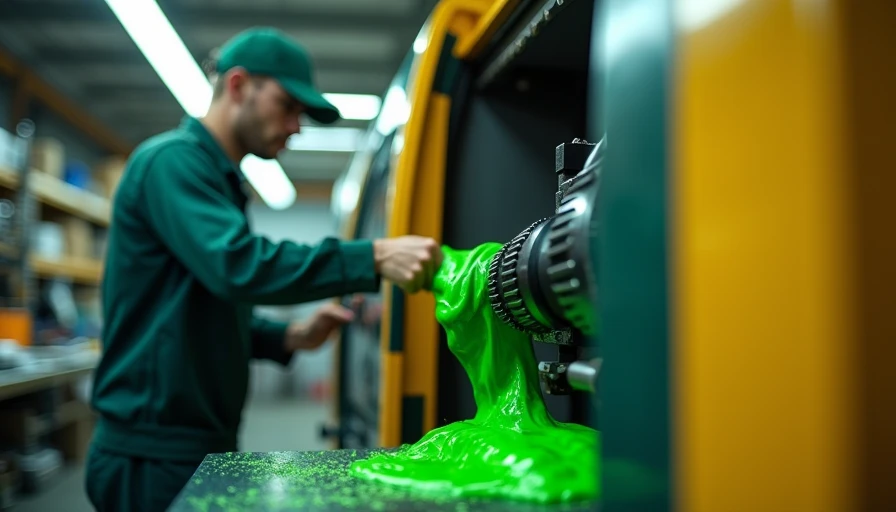
Coolant is sold as a concentrate and must be mixed with water at a specific ratio, typically 5–10% concentration. Use deionized or softened water—hard water can cause separation and reduce performance. The standard for water quality in metalworking fluids is ASTM D1293. Measure the water volume first, then slowly add the concentrate while recirculating with a mixer. Never add water to concentrate; that can cause inversion and improper mixing. Use a refractometer (calibrated to the specific coolant) to confirm concentration. A reading of 8–10% is typical for general machining. If you're unsure, consult the coolant manufacturer's technical data sheet. Proper mixing is a key part of **how to change CNC coolant** effectively.
Step 4: Charge the System and Test Concentration
Once the mixture is prepared, transfer it to the machine sump. Run the coolant pump for a few minutes to circulate the fluid through the delivery lines and flood the work area. After circulation, draw a sample and check the concentration again—it may have stabilized. Adjust by adding more concentrate or water if needed. Also check pH with a pH meter or test strips. The ideal pH range for most CNC coolants is 8.5–9.5. Below 8.5, add a pH booster per manufacturer recommendations. Finally, check for tramp oil on the surface; if present, use a skimmer or coalescer. Now the system is ready for production.
Application Note: Handling Bacterial Blooms
What if, despite your best efforts, the new coolant goes foul within a week? This is typically a sign of biofilm in the machine's nooks and crannies—piping, gaskets, and pump housings. In that case, a more aggressive clean with a commercial tank cleaner (containing a biocide registered under EPA FIFRA) is warranted. After cleaning, a shock dose of a coolant-compatible biocide can help. But the best defense is a routine monitoring program: weekly pH checks, monthly concentration checks, and periodic bacteria counts using dip slides (ASTM E2196). Consistency is everything.
Conclusion
Changing CNC coolant isn't just about dumping and refilling. It's a systematic process that, when done correctly, extends tool life, improves surface finish, and reduces waste. From proper disposal and deep cleaning to precise mixing and post-charge testing, each step matters. By following this guide, you'll avoid the common pitfalls that lead to premature coolant failures. And remember: if you have any doubts, consult the standards—ISO 12999, ASTM E2149, and your coolant supplier's recommendations. Now you know **how to change CNC coolant** the right way.




No feedback yet — submit the first.