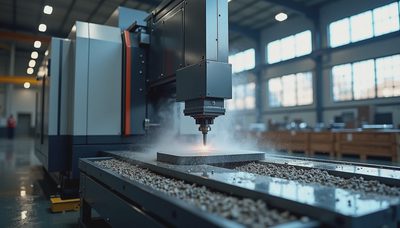
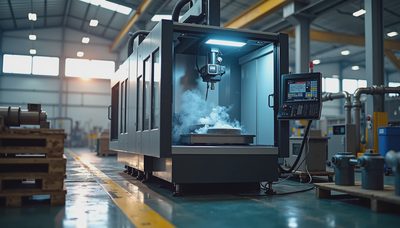
Choosing among the **types of metalworking fluids** is not a housekeeping decision; it is a process control decision. Tool life, surface finish, sump stability, corrosion protection, mist generation, and even operator acceptance all move with fluid chemistry. I see the same pattern repeatedly in plants: a shop changes alloy, speed, or coolant concentration without revisiting the fluid class, and then blames inserts, pumps, or machine condition. In the lab we call this tribochemical mismatch — on your shop floor, it means short tool life and ugly parts.
Why fluid type matters in real machining
Metalworking fluid has three primary jobs: cool the cutting zone, lubricate the tool-workpiece interface, and manage chips and fines so they leave the cut instead of recirculating. Those jobs compete with one another. A fluid with excellent lubricity often gives up some cooling efficiency, while a fluid with outstanding cooling may have less boundary lubrication, meaning protection in the very thin film regime where asperities, the microscopic high points on surfaces, are still interacting.
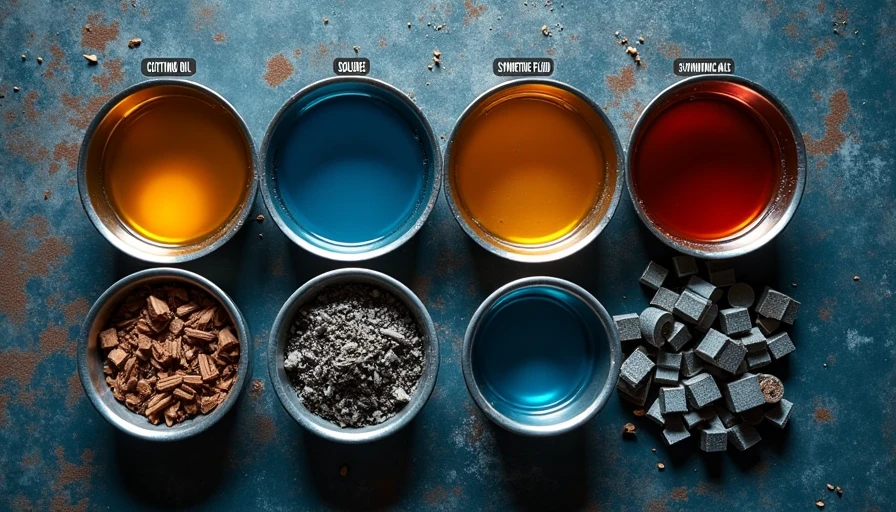
By the relevant standard, metalworking fluids are commonly discussed by composition and use condition rather than by one universal grading system. In practice, a maintenance lead usually sorts the types of metalworking fluids into four big families: straight oils, soluble oils, semi-synthetics, and synthetics. That classification is the one most shops actually use.
Three failure modes, one root cause — here they are: poor lubricity, poor fluid maintenance, or poor fluid selection. When a shop sees built-up edge on aluminum, rust on ferrous parts, or bacterial odor in central systems, the answer is often not “more concentrate.” It is choosing the correct fluid family and then controlling concentration, tramp oil, and contamination.
Straight oils: maximum lubricity, minimum water
Straight oils are non-emulsifiable fluids used without dilution. They are built from mineral oil, severely refined petroleum stocks, or other base fluids, then fortified with additives such as sulfur, phosphorus, fatty lubricity agents, antioxidants, and corrosion inhibitors. Their main strength is lubricity, especially in heavy-duty operations like broaching, deep-hole drilling, thread cutting, gear hobbing, and difficult machining of stainless steels or nickel alloys.
Because they contain no water, straight oils do not cool as effectively as water-miscible fluids. That makes them less attractive for high-speed operations where heat removal is the dominant requirement. They also increase smoke and mist risk if run too hot, so machine enclosure and ventilation matter. By ASTM D4175 terminology, you would describe these products by use and composition, but the key practical point is simple: if the cut is severe and welding at the interface is your enemy, straight oil deserves a serious look.
**Application Note:** For Swiss-type screw machines cutting free-machining steels, straight oil often improves finish and tool life. For high-RPM aluminum milling, it is usually the wrong answer because heat rejection becomes the limiting factor.
Soluble oils and emulsions: the traditional middle ground
Soluble oils, often called emulsifiable oils, are oil-in-water emulsions. When mixed correctly with water, they produce the classic milky coolant seen in many machine shops. These fluids typically contain 30% to 85% oil in the concentrate, along with emulsifiers, rust inhibitors, biocides or biostable packages, and extreme-pressure additives depending on the intended duty.
Among the types of metalworking fluids, soluble oils are the classic compromise. Water provides cooling capacity, while dispersed oil droplets provide useful lubricity. That makes them versatile for turning, milling, sawing, and general-purpose machining across steel, cast iron, and many nonferrous alloys. They are forgiving, effective, and familiar to operators.
Their weakness is maintenance sensitivity. Water quality, concentration control, tramp oil ingress, and microbial growth all matter. If concentration drifts low, corrosion and poor tool life follow. If it drifts high, residue, foam, and dermatitis concerns can increase. Use a refractometer, confirm the product factor from the supplier, and monitor pH and sump cleanliness as part of routine control. By the relevant standard, coolant cleanliness and fluid condition are not optional extras; they are part of process capability.

Semi-synthetics: balanced chemistry for mixed production
Semi-synthetic fluids sit between soluble oils and true synthetics. They contain less oil than soluble oils but more than synthetics, usually appearing translucent rather than milky. This chemistry gives a useful blend of cooling, detergency, lubricity, and sump cleanliness. In mixed-job shops, semi-synthetics are often the practical default because they can handle a broad range of materials and operations without the residue load of a heavier emulsion.
In the lab we call this phase behavior and droplet architecture — on your shop floor, it means cleaner machines, better visibility of the cut, and often less sticky residue on way covers and enclosures. These fluids also tend to reject tramp oil reasonably well, which helps skimming and extends sump life if housekeeping is disciplined.
Among the types of metalworking fluids, semi-synthetics are especially useful where a shop runs steel one day, aluminum the next, and wants one central fluid strategy. They are not magical. Some demanding tapping or broaching operations still need more lubricity than they can provide. But for CNC milling and turning centers, they frequently hit the best balance of cooling and lubrication.
**Application Note:** If you are fighting foam in high-pressure through-tool coolant systems, review water hardness, pump turbulence, and concentration before blaming the fluid class. Semi-synthetics can perform very well there when the system design is sound.
Synthetics: maximum cooling and cleanliness
Synthetic metalworking fluids contain no mineral oil in the conventional sense. They are water-based concentrates built from soluble polymers, amines, corrosion inhibitors, wetting agents, and other performance additives. Mixed with water, they typically form a clear or very lightly tinted solution rather than an emulsion. Their strongest advantages are heat removal, cleanliness, low residue, and good settling or transport of fines depending on formulation.
For grinding, light-duty machining, and high-speed applications where thermal control dominates, synthetics are often excellent. Clear fluid also improves visibility at the cut, which matters in precision work. They can support better wheel life in some grinding operations and reduce sludge packing compared with heavier oils.
The tradeoff is lubricity. Some synthetic packages are impressively capable, but severe boundary-contact operations may still favor a richer chemistry. Also, additive compatibility with alloys matters. Aluminum staining, cobalt leaching in carbide grinding, and corrosion performance must be reviewed carefully against the actual material set.
When shops compare the types of metalworking fluids, synthetics tend to win where cleanliness, cooling, and long system life are more important than maximum boundary film strength.
How to choose the right fluid family
Start with the operation, not the brand sheet. Ask four questions: What material is being cut? Is heat or friction the dominant problem? How severe is the contact? And what does the machine system tolerate in terms of filtration, pressure, sump volume, and contamination load?
For heavy-duty cutting of tough alloys, begin with straight oil or a high-lubricity water-miscible fluid. For general machining across many jobs, soluble oils and semi-synthetics usually make the shortlist. For grinding and high-speed operations where cooling and cleanliness rule, synthetics often lead. Then check water quality, because hard or highly variable water can destabilize emulsions and aggravate deposits or foam.
Finally, remember that metalworking fluid performance is inseparable from management. Mix concentrate into water, not water into concentrate. Verify concentration with a refractometer. Control tramp oil. Remove fines. Clean sumps on schedule. The best of the **types of metalworking fluids** will still fail in a dirty, oxygen-starved sump.
If you want a practical rule: match lubricity to severity, match cooling to speed, and match maintenance discipline to chemistry. That is usually where stable machining starts.