
Aluminum is one of the most commonly machined metals, yet it presents unique challenges for lubrication. Its soft, gummy nature can cause built-up edge, poor surface finish, and accelerated tool wear. Selecting the right metalworking fluids for aluminum is a decision that directly impacts tool life, surface finish, and overall productivity. In the lab we call this a tribological system – on your shop floor, it means choosing between oil-based and water-miscible fluids, each with its own chemistry and application profile.
To understand why formulation matters, you have to look at the contact conditions. Aluminum's high thermal conductivity pulls heat away from the cutting zone, but its low melting point means that friction-generated heat can quickly lead to adhesion. By the relevant standard (ISO 6743-7 for metalworking fluids), the classification system groups fluids by their composition and intended use. For aluminum, the emphasis is on extreme pressure (EP) additives and anti-weld properties. The choice between straight oils, soluble oils, semi-synthetics, and synthetics depends on the operation's severity, the machine tool's design, and the desired surface finish. Understanding these fundamentals is the first step in selecting an effective fluid for your specific aluminum machining application.

The Chemistry of Aluminum Machining
In the lab, we approach this problem through the lens of tribology – the study of friction, wear, and lubrication. The chemistry of metalworking fluids for aluminum revolves around preventing the workpiece material from welding to the cutting tool. That welding phenomenon, known as built-up edge, is the primary failure mode. Effective fluids incorporate EP additives such as sulfur, chlorine, or phosphorus compounds. However, not all EP additives are compatible with aluminum. Chlorinated paraffins, for instance, can form corrosive byproducts when they react with aluminum at elevated temperatures. That's why many modern formulations use sulfur-phosphorus combinations or ester-based lubricity agents. In the lab, we test these fluids using ASTM D2783 (four-ball wear test) to evaluate load-carrying capacity. On your shop floor, this translates to a fluid that maintains a lubricating film even at the high pressures generated during drilling or tapping. The right metalworking fluids for aluminum will also resist oxidation and bacterial growth, ensuring consistent performance over the sump life.
Application Note: For high-speed machining of 6061-T6 aluminum, a semi-synthetic fluid at 8% concentration often yields excellent results. The fluid should have a pH between 8.5 and 9.5 and maintain emulsion stability. Regular monitoring with a refractometer and pH meter ensures the fluid stays within specification. This prevents costly downtime and tool changes. Additionally, the fluid's defoaming characteristics are critical; foam generation can reduce coolant effectiveness and cause coolant starvation at the cutting edge. A well-chosen additive package will minimize foam even under high-pressure flood cooling.
Another consideration is the fluid's resistance to tramp oil contamination. Tramp oil from hydraulic systems or way lubricants can destabilize emulsions and promote bacterial growth. Using a fluid with built-in emulsifiers that handle moderate tramp oil loads can extend sump life. In severe cases, a skimmer or coalescer is necessary to maintain fluid integrity. These practical details separate a good aluminum machining operation from a great one.
Selecting the Right Viscosity and Concentration
Viscosity plays a critical role in fluid performance. For water-miscible fluids, the concentrate's viscosity affects mixing and stability. For neat oils, viscosity determines film thickness in the cutting zone. The common recommendation for aluminum is a low-viscosity oil (e.g., ISO VG 15–22) or a high-concentration emulsion (8–10% oil) to ensure adequate lubricity without excessive cooling. But the ideal concentration depends on the operation: light-duty turning may require only 5%, while heavy broaching or deep-hole drilling may need 15% or more. The best metalworking fluids for aluminum provide a consistent emulsion that resists separation and maintains pH in the 8.5–9.5 range. Monitoring concentration with a refractometer and pH with a meter are non-negotiable practices.
Application Note: When tapping aluminum, consider using a neat oil with a high sulfur content (e.g., 10–15% sulfurized oil) to reduce torque and improve thread quality. Alternatively, a high-performance water-miscible fluid with extreme pressure additives can be used if coolant flooding is available. Always follow the manufacturer's dilution recommendations. For drilling, a fluid with high lubricity and good wetting properties is essential to prevent chip welding and tool breakage. Reaming and threading benefit from fluids that provide a balance of cooling and lubrication.
It's also important to consider the water quality when mixing emulsions. Hard water can cause soap formation, reducing lubricity and stability. Softening water or using fluids with built-in hard water tolerance can mitigate this. In some cases, a deionized water supply is worth the investment. The bottom line: the fluid only performs as well as its maintenance regime. Regular checks of concentration, pH, and microbial counts will keep your fluid in top condition and extend its useful life.
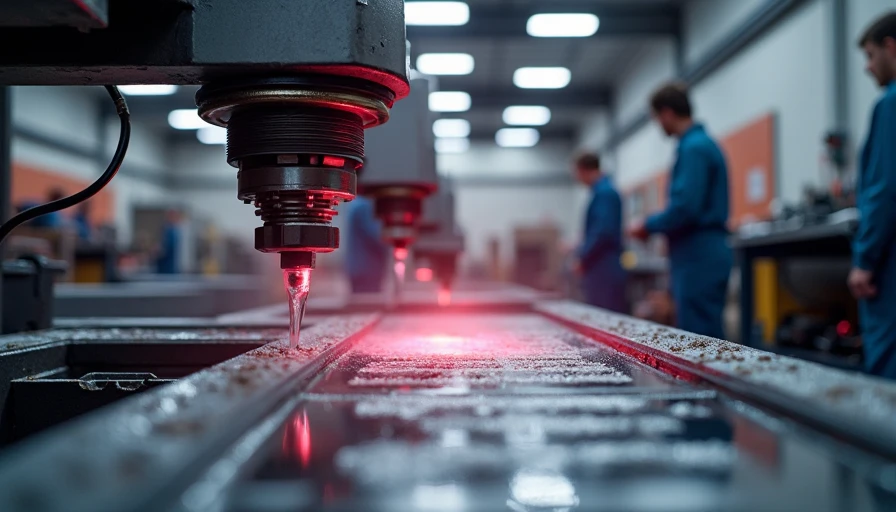
Environmental and safety factors also play a role. Many water-miscible fluids contain biocides that require careful handling. Always follow the safety data sheet (SDS) for personal protective equipment (PPE) and disposal guidelines. In the lab, we evaluate fluids using ASTM D92 (flash point) and ASTM D665 (rust prevention) to ensure they meet both performance and safety thresholds. On your shop floor, this means a fluid that protects both your workpieces and your team.
In summary, the selection of the appropriate fluid for aluminum machining requires balancing lubricity, cooling, and stability. Regular fluid maintenance – including concentration control, pH management, and tramp oil removal – will extend fluid life and protect your tooling investments. By understanding the chemistry and applying the relevant standards, you can optimize your machining processes for better part quality and lower costs.


No feedback yet — submit the first.