When the dashboard says oil pressure low, treat it as a lubrication failure until testing proves otherwise. Oil pressure is not the same as oil level. The pump must move oil through galleries, bearings, and control circuits while maintaining enough resistance to form a protective film. If that film collapses, a crankshaft journal, camshaft lobe, turbocharger bearing, or timing-chain tensioner can suffer damage in minutes.
In the lab we call this hydrodynamic lubrication — on your shop floor, it means moving surfaces are separated by an oil film rather than scraping directly across one another. A warning lamp, fluctuating gauge, or diagnostic trouble code deserves a controlled response, not a guess based on adding a quart.
First response: protect the engine
If oil pressure low appears while driving, reduce engine speed and move to a safe location as soon as traffic conditions allow. Shut the engine off. Do not continue several miles to a repair shop simply because the engine still sounds normal. A pressure problem can develop before audible knocking begins.
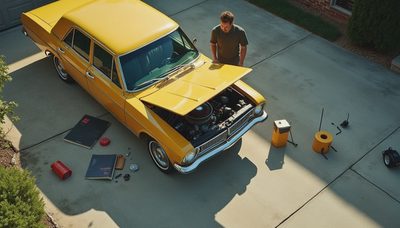
Wait several minutes on level ground, then check the dipstick according to the vehicle maker's procedure. A low reading can result from a leak, consumption, or an incorrect service fill. Look beneath the vehicle for fresh oil, inspect the filter and drain plug, and check around the valve covers, front cover, turbocharger lines, and oil cooler. Add the specified oil only if the level is below the safe range. Do not overfill; aerated oil can also reduce effective pressure.
If the warning remains after correcting the level, stop testing by driving. Arrange a tow or have a qualified technician perform a mechanical pressure test. A $100 to $250 diagnostic visit is inexpensive compared with a $4,000 to $10,000 engine replacement.

Why oil pressure low happens
The first major category is insufficient oil supply. A cracked pickup tube, blocked pickup screen, damaged sump, or failing pump can keep the pump from receiving a solid stream of oil. Sludge is particularly dangerous because it can restrict the pickup while leaving the dipstick reading apparently normal. On some engines, a failed pickup seal allows the pump to draw air instead of oil.
The second category is excessive internal clearance. Engine bearings are designed with a controlled clearance that meters oil. As bearings wear, more oil escapes around the journals, reducing pressure, especially at hot idle. This is why oil pressure low often appears after a long highway run, when oil temperature and viscosity have stabilized at higher values.
The third category is incorrect oil condition. Oil that is badly diluted with fuel, contaminated with coolant, or thinned by excessive temperature cannot maintain the same film strength as serviceable oil. The wrong viscosity can also matter. A 0W-20 and a 5W-30 do not have identical high-temperature behavior, even though both may be approved for different applications.
Finally, the electrical indication can be false. A pressure switch, gauge sender, connector, wiring harness, or engine-control module input may fail. That possibility is real, but replacing a sensor before verifying actual pressure is poor diagnostic practice.
The correct diagnostic sequence
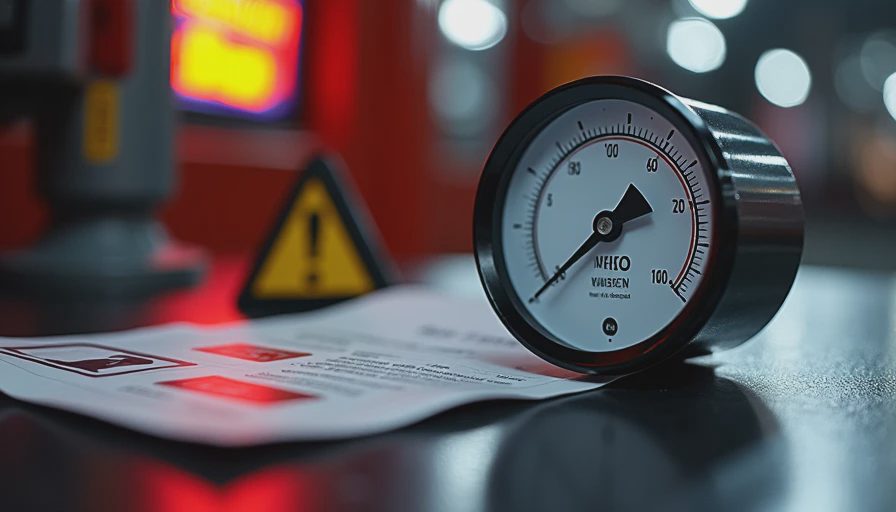
A technician should begin by confirming the complaint. Scan for relevant codes, inspect the oil level and condition, and listen for abnormal valvetrain or bottom-end noise. The key test is a calibrated mechanical gauge installed at the engine's oil-pressure port. This bypasses the vehicle's sender and wiring.
The test should record pressure at cold start, warm idle, and a specified engine speed, often 2,000 or 3,000 rpm. The exact limits belong to the service manual, not a universal internet chart. A warm-idle result of 8 psi could be unacceptable on one engine and near its published limit on another. If the mechanical gauge shows normal readings, investigate the sender circuit. If it confirms oil pressure low, continue with pump, pickup, clearance, and oil-condition checks.
Oil analysis can add useful evidence. ASTM D445 measures kinematic viscosity, while ASTM D5185 can identify wear metals and additive elements using inductively coupled plasma analysis. Fuel dilution, coolant contamination, elevated iron, or a viscosity shift can explain why a warning developed. These tests do not replace a pressure gauge, but they help distinguish a single sensor fault from progressive mechanical wear.
Application Note: fleet and marine equipment
For a generator, marine diesel, or production engine, record oil pressure alongside temperature, speed, load, and oil-change hours. A trend is more valuable than one isolated number. If oil pressure low occurs only at rated temperature and low speed, compare that event with viscosity data and bearing-metal results. ISO 4406 cleanliness coding is relevant to hydraulic contamination control, but it is not a substitute for engine oil-pressure specifications. Use the standard that matches the machine and the measurement.
What repairs usually involve
A sensor or wiring repair is the least expensive outcome, commonly requiring $50 to $300 in parts and labor depending on access. An oil and filter service may resolve contamination or incorrect viscosity, but it should follow an inspection rather than serve as a blind cure. Use the oil grade and performance specification listed by the manufacturer; API and ILSAC designations help identify gasoline-engine service categories, while diesel and industrial engines may require different approvals.
A restricted pickup or damaged pump can require removal of the oil pan, front cover, or other components. Typical repair bills range from $500 to $2,000, with labor dominating the cost on tightly packaged engines. If bearing clearance is excessive, the repair may involve crankshaft inspection, bearings, machining, or a replacement long block. A persistent hot-idle warning combined with metallic debris in the filter is a strong reason to stop operating the engine.
Do not attempt to mask oil pressure low with an excessively thick oil. That can alter cold-start flow, variable-valve-timing operation, hydraulic lifter behavior, and turbocharger lubrication. It also hides the diagnostic signal rather than restoring the designed clearance or supply path.
A practical prevention program
Use the correct oil and a filter with the required bypass-valve and filtration specifications. Change oil at the interval suited to the duty cycle, not merely the most optimistic calendar suggestion. Short trips, idling, dusty environments, towing, track use, and high-load industrial service can justify more frequent sampling or changes.
At each service, inspect leaks, verify the level on level ground, and note whether the oil smells strongly of fuel or looks unusually thin. For critical equipment, trend pressure and temperature under repeatable conditions. A small spreadsheet containing date, hours, oil grade, warm-idle pressure, load, and filter findings can reveal deterioration before an alarm becomes a failure.
If oil pressure low appears again, document when it occurs: cold or hot, idle or cruise, turning or braking, and after an oil change or fuel-system repair. Those details can separate a pickup problem from temperature-related wear. The safest rule is simple: verify real pressure with a mechanical gauge before authorizing parts, and stop the engine when the warning is accompanied by noise, low level, or confirmed pressure loss.



No feedback yet — submit the first.