A bearing runs hot, the lubricant thins, and the maintenance team faces an avoidable failure during the worst possible production window. Choosing polyurea grease correctly can prevent that sequence, but the thickener is not a complete specification by itself. Base oil viscosity, NLGI grade, operating temperature, speed, load, water exposure, and compatibility all matter.
I have seen polyurea grease perform exceptionally well in electric motor bearings, conveyor systems, fan bearings, and sealed-for-life industrial equipment. I have also seen it fail after a well-intentioned technician mixed it with an incompatible calcium sulfonate or aluminum complex product. In the lab we call this formulation compatibility; on your shop floor, it means a soft, leaking lubricant or a hardened plug inside the bearing.
What Polyurea Grease Actually Is
Grease consists of a base fluid, a thickener, and a package of performance additives. Polyurea is an organic, non-soap thickener formed from urea derivatives and isocyanate chemistry. Unlike conventional lithium soap, it contains no metallic soap structure. That distinction gives the finished lubricant a useful combination of oxidation resistance, high-temperature capability, and relatively low electrical conductivity.
The base oil still controls much of the real performance. A synthetic polyalphaolefin base can provide better low-temperature flow and oxidation stability than a mineral oil, while a mineral-based product can be economical for moderate service. Two greases can both carry the same thickener description but behave very differently because their base oils and additive systems differ.
NLGI grade describes consistency, not viscosity. An NLGI 2 grease is stiffer than an NLGI 1 grease, but the grade does not tell you whether the oil is ISO VG 100 or ISO VG 460. ASTM D4950 is commonly used for automotive service grease classifications, while industrial buyers often review manufacturer data alongside NLGI consistency and relevant equipment specifications.
Why Electric Motors Often Use Polyurea Grease
Electric motor bearings are a classic application because the lubricant must tolerate heat, long relubrication intervals, and high rotational speed. Excess grease creates churning, which raises temperature and can damage seals. Insufficient grease allows metal-to-metal contact and accelerates fatigue. The correct quantity is often more important than choosing a premium product by brand reputation alone.
A motor manufacturer may specify a polyurea thickener, an NLGI 2 grade, and a particular base oil viscosity. Follow that specification before considering a substitute. Do not assume every NLGI 2 motor grease is interchangeable. Some polyurea products are designed for high-speed motors; others are formulated for heavier loads, higher temperatures, or water resistance.
Application Note: For a 1,800-rpm motor, calculate the bearing speed factor using the bearing mean diameter and rotational speed, then compare that value with the grease manufacturer’s limits. A grease suitable for a slow conveyor roller may be unsuitable for a high-speed motor even if both applications use an NLGI 2 product.
Temperature, Oxidation, and Shear Stability
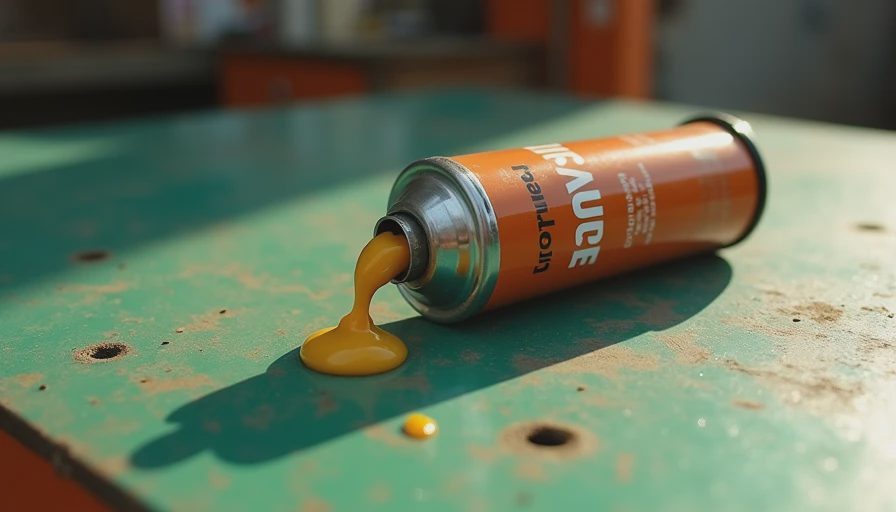
Polyurea grease is frequently selected for elevated-temperature service because its thickener structure can resist oxidation and maintain consistency better than some conventional soap systems. The phrase “high temperature,” however, needs a boundary. A product with a dropping point above 500°F is not automatically safe for continuous operation at that temperature. Dropping point is a laboratory transition test, not a recommended operating limit.
Review the published continuous temperature range, peak temperature guidance, and relubrication instructions. ASTM D2265 measures dropping point, while ASTM D217 measures worked penetration, a consistency test used to help classify grease. ASTM D1264 evaluates water washout under a defined test condition. These tests help compare products, but no single result predicts every field environment.
Shear stability matters in rolling bearings, universal joints, gear couplings, and other components where mechanical action works the thickener. ASTM D1831 evaluates roll stability. A grease that softens excessively can migrate out of the bearing or leave an uneven film. A grease that hardens can restrict movement and starve the rolling contacts.
Compatibility Is the Maintenance Trap
Never mix polyurea grease with a different product simply because both are labeled NLGI 2. Compatibility depends on the thickener chemistry, base oil, additives, and manufacturing formulation. Mixing can cause oil separation, hardening, softening, reduced lubrication, or loss of high-temperature performance.
Before changing products, identify the grease in the bearing, consult both technical data sheets, and obtain a compatibility statement from the lubricant suppliers. For critical machinery, remove old grease through a controlled purge when the equipment design permits it. Clean the grease gun, fittings, and storage containers so the new lubricant is not contaminated before it reaches the bearing.
A practical changeover record should include the old product, new product, thickener type, base oil, NLGI grade, quantity, date, bearing temperature, and observed condition. If a motor normally operates at 140°F and rises to 175°F after a change, investigate immediately rather than blaming the bearing first.
Selecting the Right Grade for the Job
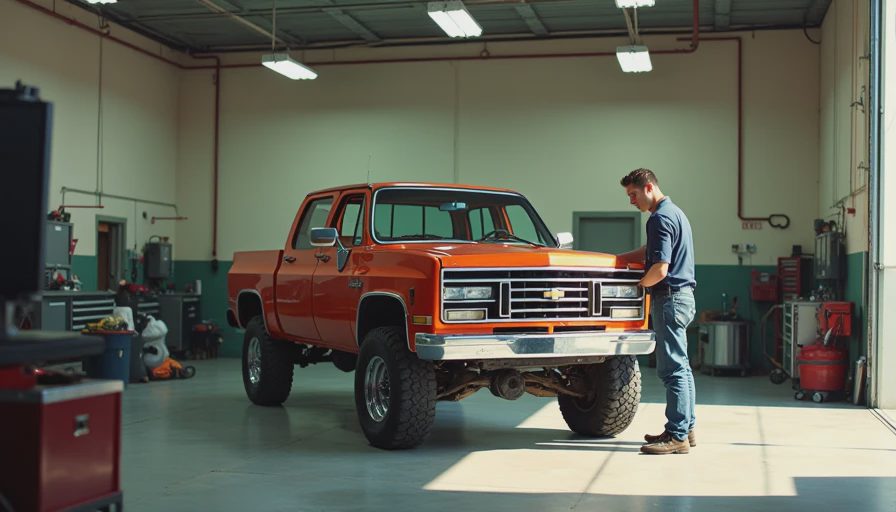
Start with the equipment manual and bearing manufacturer’s recommendation. Then verify five details: operating temperature, rotational speed, load, water or chemical exposure, and relubrication interval. For many general industrial bearings, NLGI 2 is common because it stays in place effectively. NLGI 1 can improve pumpability in colder conditions, while NLGI 0 or softer grades may be selected for centralized lubrication systems.
Base oil viscosity should match the load and speed. Heavy loads and slow speeds generally require higher viscosity; high speeds generally favor lower viscosity to reduce churning. This is where an ISO viscosity grade becomes useful. An ISO VG 220 base oil is not simply “thicker grease” than ISO VG 100; it provides a higher-viscosity oil phase inside the grease structure.
For motors, pumps, fans, paper machines, marine deck equipment, and steel mill conveyors, ask for documented data rather than relying on the word “premium.” Look for temperature limits, four-ball wear or weld results where relevant, corrosion testing, water resistance, and manufacturer-approved applications.
A Shop-Floor Procedure for Relubrication
First, confirm the correct product and quantity. Wipe the fitting before attaching the grease gun; otherwise, dirt can be pushed directly into the bearing. Add grease slowly while monitoring temperature, noise, vibration, and purge behavior. If the bearing has a relief port, make sure it is open and not blocked by hardened lubricant.
Measure grease volume by calibrating the gun. Weigh ten strokes, divide the total weight by ten, and record the average delivery per stroke. This simple exercise can reveal that a nominal “stroke” delivers 0.8 grams on one gun and 2.5 grams on another. Quantity calculations based on bearing dimensions are more reliable than guessing, especially for high-speed motors.
After service, label the grease gun and store it sealed, upright, and protected from dust and temperature extremes. A clean, dedicated gun is inexpensive insurance. When condition monitoring is available, trend bearing temperature and vibration before and after relubrication.
Final Guidance for Reliability Teams
Polyurea grease is not a universal answer, but it is a strong option where oxidation resistance, electric motor service, and elevated temperature are central requirements. Treat the thickener as one part of a complete lubricant specification. Confirm NLGI grade, base oil viscosity, operating limits, compatibility, and test data before approving a product.
Three failure modes, one root cause: an incomplete specification. A bearing can fail from the wrong grease, too much grease, or a contaminated grease gun even when the label sounds appropriate. Build the selection into your lubrication standard, document every changeover, and use ASTM test information as a comparison tool rather than a substitute for equipment knowledge. That is how polyurea grease becomes a controlled reliability decision instead of a guess made beside a hot machine.




No feedback yet — submit the first.