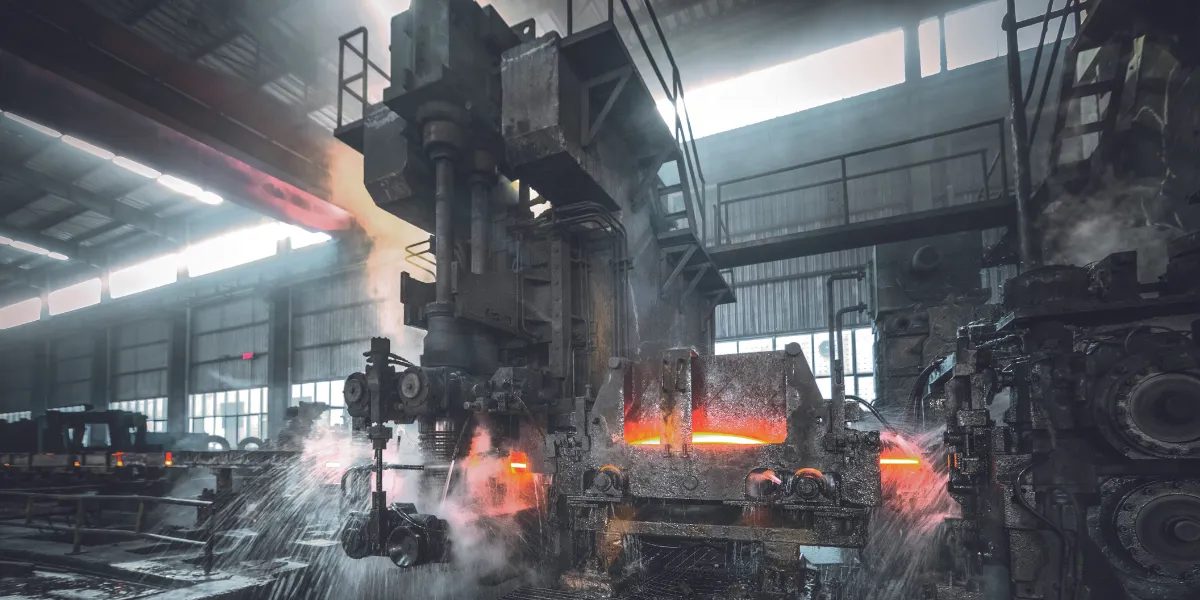
Industrial machinery and vehicles must endure some of the most demanding operating conditions imaginable — extreme temperatures, moisture, heavy loads, high pressure, and excessive dust. Constant exposure to these challenging environments dramatically shortens component lifespan and makes breakdowns far more likely.
So what steps can you take to minimize and prevent equipment failure?
This comprehensive guide examines the leading causes of machinery degradation and outlines the best practices you can adopt to extend the service life of your equipment.
Equipment failure occurs when a piece of industrial machinery can no longer perform its intended function.
A widespread misconception is that this term applies only to complete machinery breakdowns. In reality, it also covers less severe performance issues — situations where equipment simply loses its functional effectiveness without shutting down entirely.
Accordingly, machine failure can describe any unplanned performance problem or period of downtime. The specifics will vary depending on factors such as the working environment, production practices, and the extent of the damage sustained.
Yet one principle holds true across every scenario: even minor equipment damage translates into measurable losses in both performance and resources.
For the purposes of this guide, machinery failure will be treated as any malfunction that causes a piece of equipment to operate below its intended capacity.
Whether minor or catastrophic, equipment failure can compromise your business operations in numerous ways. A few examples include:
Machine failure rarely occurs suddenly and cannot typically be pinned to a single moment in time. Based on the manner in which damage develops, it can be classified into several distinct categories:
Numerous mechanisms drive machine failure. Among the most frequently encountered are abrasion, adhesion, fatigue, corrosion, and deposition.
Here is a closer look at each of these failure modes:
Abrasion is a wear mechanism that degrades material surfaces through contact with hard particles. It is a widespread problem that affects virtually all mechanical systems.
Abrasive wear takes several forms, including micro-cutting, fracture, fatigue, and grain pullout. Investing in improved contamination control is one of the most reliable strategies for reducing abrasive wear.
Adhesion, also referred to as boundary wear, is a performance issue that affects nearly all mechanical systems with loaded components. It represents a form of progressive damage that substantially elevates the risk of corrosion.
Boundary wear is frequently triggered by inadequate lubrication. When the protective film fails to reduce friction between surfaces or keep them separated, metal-to-metal contact occurs. Beyond poor lubrication, adhesion can also stem from low lubricant viscosity, slow operating speeds, and excessive load.
Selecting the correct oils and greases for your specific equipment remains the most reliable approach to minimizing boundary wear.
Fatigue is a wear type that targets rotating, flexing, and vibrating machine components. It develops when dynamic loads exceed the fatigue strength of the material, meaning it can only be prevented by reducing the applied load. Cracks that form on the surface are the primary driver of fatigue, and these can ultimately cause severe damage to rotating parts.
Bending fatigue is among the most prevalent fatigue types, resulting from sustained bending stress. It affects joints, shafts, and fasteners and leads to progressive deterioration of gear teeth.
Corrosive wear results from the oxidation of rubbing surfaces. Elevated temperature and the removal of the protective surface film by friction both heighten corrosion risk. This form of degradation affects both mechanical and electrical components.
Several distinct types of corrosive wear exist.
Galvanic corrosion, for instance, affects both mechanical and electrical components. It occurs when two dissimilar materials are electrically connected within a corrosive electrolyte. Stress corrosion, by contrast, targets shafts, joints, and fasteners, generating fractures that accelerate overall equipment degradation.
Erosive wear is most commonly caused by lubricant cavitation — an event where pressure fluctuations create vapor-filled cavities, or bubbles, within the liquid. When these bubbles implode near a metal surface, they strip away the oxidized material, leaving the metal increasingly vulnerable to corrosion and further degradation.
Cavitation is most prevalent in pumps, valves, water turbines, marine propellers, and piping systems. Using appropriate lubricants and properly sealing surfaces are among the most effective countermeasures against erosive wear.
Deposition affects control valves, flow controls, fans, filters, and screens. It is driven by the accumulation of particles on critical mechanical or electrical components — a prime example being the buildup of fibrous particles on fans.
Unfortunately, machine breakdowns are frequently unavoidable in heavy-duty manufacturing and other industrial environments. How quickly machinery degrades depends on both the overall working conditions and the quality of maintenance performed.
Put differently, regular upkeep and monitoring can substantially extend the operational lifespan of your equipment. Only through consistent attention can you accurately gauge machine performance, anticipate failure risks, and address potential problems before they escalate.
Several techniques are worth implementing.
Establishing a consistent equipment maintenance schedule is among the most fundamental steps in preventing machinery failure.
Begin by consulting with your team to identify which equipment pieces are most critical and should be prioritized within the maintenance plan.
The schedule should list all systems and specify the intervals at which inspections must occur. It should also incorporate recommendations from the Original Equipment Manufacturer (OEM).
Condition monitoring is one of the most vital components of industrial equipment maintenance. It encompasses a broad array of processes, including thermal monitoring, visual inspection, and oil analysis. The most important of these are outlined below:
This category covers a range of assessments designed to improve overall equipment performance and effectiveness. Root Cause Failure Analysis (RCFA) is a prime example — as its name implies, it enables you to identify the underlying cause of a machine failure.
Predictive maintenance draws on historical machine performance data. By analyzing real-time performance metrics, algorithms can detect potential issues earlier and deliver timely alerts. These highly customized, precise analyses indicate when a potential breakdown is likely to occur.
As the examples above illustrate, insufficient or improper lubrication is one of the leading contributors to industrial machine failure.
Consequently, selecting optimal lubrication solutions is a critical first step toward extending equipment lifespan and improving operational efficiency.
Industrial lubricants are composed of a base oil — which may be mineral, vegetable-based, or synthetic — combined with robust additive packages that either enhance the base oil's existing properties or introduce entirely new performance characteristics.
The most widely used additive packages in industrial lubricants include anti-corrosion additives, anti-friction additives, detergents, dispersants, defoamers, extreme pressure additives, and friction modifiers. Selecting high-quality lubricants that incorporate these properties contributes directly to improved equipment health and performance.
Because different types of lubricants are required across industrial applications, choosing the right industrial oils means accounting for your operating environment, the types of machines in use, their specific lubrication requirements, and applicable industry standards.
Valvoline offers the broadest range of industrial oils available, including:
Industrial lubricants are highly versatile products. Among their most critical functions are the following:
For more than 150 years, Valvoline has been the most trusted manufacturer and supplier of lubricants. By collaborating closely with original equipment manufacturers and operators, we develop lubrication products designed to extend your maintenance intervals and reduce operational costs.
Our product lineup covers the widest selection of engine oils, greases, coolants, hydraulic oils, and other lubricants essential for smooth machine operation. This includes the comprehensive range of industrial lubricants referenced above.
What's more, Valvoline does not believe in one-size-fits-all solutions. Allow us to assess your specific equipment requirements and deliver tailored solutions designed to maximize your operational efficiency over the long term.
Be sure to take advantage of the Valvoline Fluid Analysis program, which delivers valuable insights into both oil quality and overall machine health.
Industrial equipment operates under the most extreme conditions — high pressure, heavy loads, dirt, and temperature extremes. Extending maintenance cycles, reducing the likelihood of failure, and optimizing productivity all require a committed maintenance strategy. That means conducting regular equipment inspections, maintaining continuous upkeep, completing repairs promptly, and, critically, choosing the right industrial lubricants.
Unsure which lubricant is the best match for your machinery? Reach out to us directly or try our online Lubricant Advisor.
No feedback yet — submit the first.