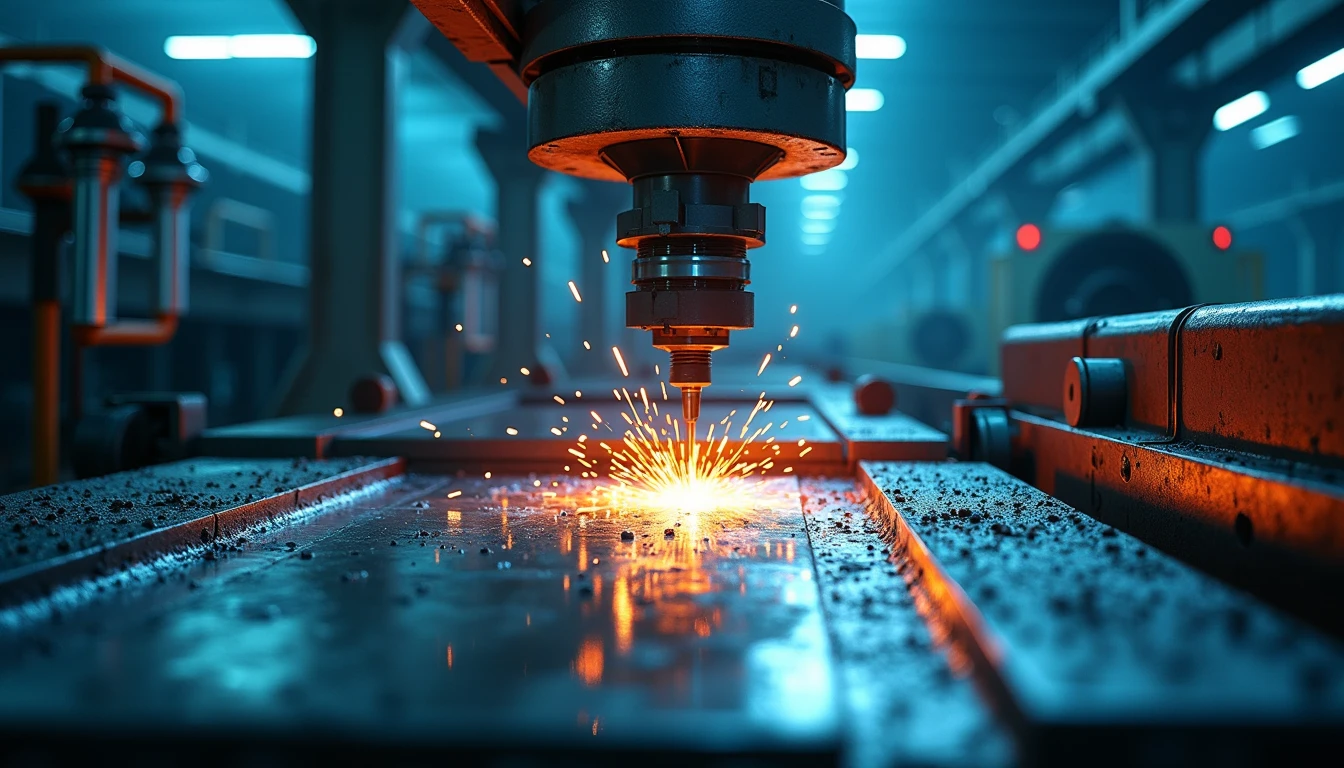
2026 Metalworking Fluids: Specialization, Zero Liquid Discharge, and Synthetic EP Upgrades
When a cutting fluid fails to maintain interfacial stability under thermal and mechanical load, the failure chain is immediate: accelerated tool wear, workpiece rust staining, and premature sump degradation. In the lab we call this interfacial film breakdown — on your shop floor, it means scrapped components, unplanned downtime, and spiked disposal costs. The metalworking fluid sector is abandoning generic formulations. Driven by tightening Health, Safety, and Environmental regulations and the demand for extreme machining efficiency, formulators are shifting toward specialized functionalization. The stakes are clear: maintenance teams that cling to legacy fluids will face rising total cost of ownership, while those adopting next-generation synthetic and closed-loop systems will secure uptime and regulatory compliance.
The Big Picture
Global HSE mandates are no longer optional compliance checkboxes; they are operational constraints. Facilities are moving from basic effluent discharge compliance toward zero liquid discharge (ZLD) and full recycling mandates. Simultaneously, climate-driven environmental shifts are increasing the frequency of extreme high-temperature and high-humidity conditions on shop floors. These factors converge to break down traditional micro-emulsions and soluble oils. The industry consensus is that future fluid development must maintain baseline performance while evolving into highly specialized chemistries. This transition directly impacts preventive maintenance schedules, fluid service intervals, and waste handling protocols.
Key Details
The 2026 formulation roadmap targets three critical failure modes: inter-process rusting, inadequate extreme pressure (EP) lubrication, and wastewater treatment bottlenecks.
*Rust Protection Architecture:* Legacy fluids relied on surface coverage rates. Modern requirements demand microstructural optimization of the passivation film and hydrolysis resistance. Formulators are engineering rust preventive monomers with extremely low solubility product constants. These monomers construct ultra-dense passivation layers that physically and chemically block water molecule penetration, severing the galvanic reaction pathway. For emulsified systems, the focus shifts to reinforcing secondary water resistance by improving the hydrophobicity of the cathodic adsorption film. This prevents re-dissolution or re-emulsification during operation, maintaining barrier integrity in humid environments.
*Synthetic EP Lubrication:* Traditional soluble oils and micro-emulsions suffer from congenital defects: bacterial proliferation, odor generation, viscosity drift, and filtration fouling. The market demands clean, long-life, high-lubricity fully synthetic fluids. However, conventional water-soluble polyether lubricants are cost-prohibitive, prone to excessive foaming, unstable in hard water, and deficient in EP performance for heavy-duty machining. To resolve this, next-generation formulations are adopting novel molecular architectures. Polyether Ester 1516 exemplifies this shift. Its unique polymeric structure delivers superior lubricity and EP performance while eliminating the foaming and hard water instability that plague traditional synthetics.
> APPLICATION NOTE: Machining Center Sump Management
> *In the lab we measure passivation density through electrochemical impedance spectroscopy — on your shop floor, this translates to consistent inter-process rust protection during humid storage or between machining passes. When upgrading to fully synthetic fluids formulated with polymeric esters, verify water hardness and biocide compatibility against ISO 15380 and ASTM D7692. Hard water and unstable polyethers cause sump stratification, but the new architectures maintain emulsion stability, reducing filtration media consumption and extending fluid service intervals.*
Operational Impact
Adopting specialized synthetic and ZLD-ready fluids directly alters shop-floor economics. Traditional fluids require frequent biocide dosing, pH correction, and filtration media replacement. The shift to long-life synthetics reduces preventive maintenance labor, lowers mean time between failures (MTBF) for spindle and feed drives, and minimizes tramp oil contamination. Waste treatment design is now formulation-driven. By engineering fluids for easy separation, maintenance teams can integrate closed-loop filtration and centrifugal clarification systems that align with ZLD objectives. This reduces hazardous waste hauling volumes, cuts disposal costs, and ensures compliance with EPA and local environmental discharge limits. For procurement specialists, the total cost of ownership calculation must factor in extended drain intervals, reduced tooling consumption, and lower wastewater treatment overhead rather than focusing solely on per-gallon acquisition cost.
What to Watch
Regulatory pressure will continue to tighten around VOC emissions and biocide toxicity. Expect stricter enforcement of fluid classification standards and biocide efficacy testing protocols. Facilities operating in high-humidity coastal or tropical zones will face accelerated inter-process corrosion if fluid hydrophobicity is not optimized. Additionally, the integration of closed-loop recycling systems will become standard for medium-to-large machining operations. Maintenance supervisors should audit current sump management protocols against ISO cleanliness targets and prepare for the transition from single-pass disposal to full recycling architectures.
Bottom Line
The era of generic metalworking fluids is over. Maintenance and procurement leaders must transition to specialized, fully synthetic formulations engineered for dense passivation, high EP lubrication, and ZLD compatibility. Evaluate fluids against ISO 15380 classification and ASTM wastewater testing standards, prioritize polymeric ester architectures for heavy-duty EP requirements, and redesign sump maintenance around closed-loop separation. This shift reduces scrap rates, extends preventive maintenance intervals, and ensures long-term regulatory compliance.