An engine oil filter is a small pressure vessel with a large responsibility: it must remove damaging particles without starving the bearings, camshaft, turbocharger, or hydraulic valve train of oil. In my consulting work, I see expensive wear blamed on “bad oil” when the real problem is an incorrect filter, poor installation, or a filter that has exceeded its contaminant-holding capacity. The solution begins with understanding what the component can and cannot do.
What an engine oil filter actually controls
Combustion engines generate contamination from several sources. Dust enters through the air-intake system, wear metals are shed from loaded surfaces, and oxidation produces varnish precursors and insoluble sludge. An engine oil filter captures much of the suspended solid material before it circulates through narrow oil passages. It does not remove dissolved fuel, water, acids, or every chemical product of oxidation. Those problems require proper oil selection, operating-temperature control, and maintenance of seals and breathers.
Most passenger vehicles use a full-flow design. In this arrangement, all oil reaching the lubricated engine components passes through the filter before entering the main oil gallery. The filter media therefore has to balance efficiency with pressure drop. A highly restrictive element can reduce flow during cold starts, while a coarse element permits more abrasive particles to circulate.
Filter efficiency is often described using a beta ratio. Under ISO 4548-12, a full-flow lubricating oil filter is evaluated with a multi-pass test that repeatedly circulates contaminant through the element. A beta ratio of 75 at a stated particle size means the filter allows one particle of that size downstream for every 75 counted upstream. The particle size and test conditions matter; a single efficiency percentage without those details is incomplete engineering information.
In the lab we call this pressure differential — on your shop floor, it means the difference between oil pressure before and after the media. As dirt accumulates, that differential rises. A bypass valve can then open to protect lubrication flow, but unfiltered oil is preferable to no oil only as a temporary protective action.

Construction details that affect reliability
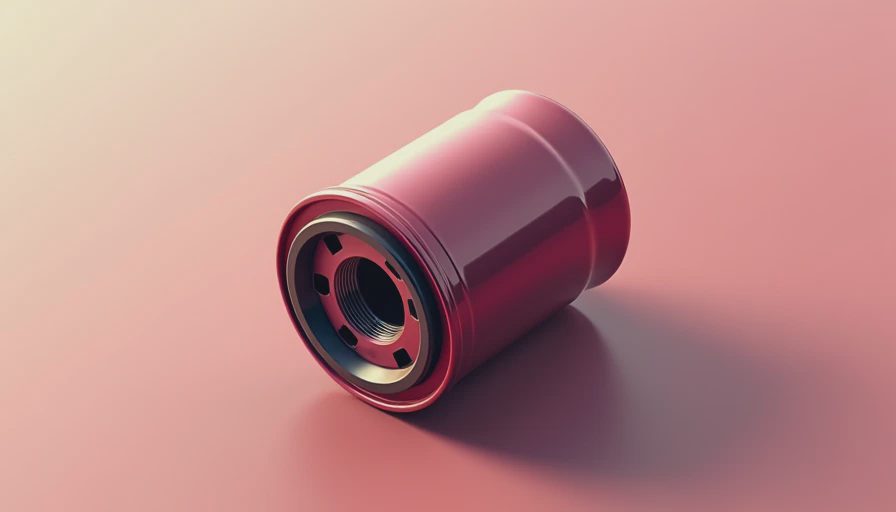
The filter canister is only the outer shell. Inside are the filter media, end caps, center tube, anti-drainback valve, and bypass valve. Each part influences startup behavior and service life.
The anti-drainback valve limits oil drain-back when the engine is parked. Silicone valves generally remain flexible across a wider temperature range than inexpensive nitrile versions, although material quality and design still matter. If this valve leaks, the engine may produce a brief rattling or ticking sound after sitting. That noise is not proof of filter failure, but it is a useful inspection clue.
The bypass valve opens at a specified differential pressure, commonly expressed in pounds per square inch. The correct setting is determined by the engine and filter application, not by a desire for the highest possible number. A filter with the wrong bypass specification can open too readily or fail to protect flow during a cold start. Never assume that a physically similar canister is hydraulically interchangeable.
Media also varies. Cellulose blends are common and economical. Synthetic or glass-fiber media can provide more consistent fine-particle capture and greater contaminant capacity, but the construction must still match the application. A longer filter is not automatically better; the gasket, thread, relief valve, and flow path must all be correct.
Application Note: For a turbocharged gasoline engine that sees short trips, inspect oil condition and filter service history together. Fuel dilution and moisture can accelerate oxidation, while repeated cold starts increase the importance of anti-drainback performance. The filter cannot correct an operating cycle that never allows the oil to reach full temperature.
Matching the filter to the oil and engine
Start with the vehicle manufacturer’s part number, then verify the replacement by thread, gasket dimensions, bypass specification, and intended service interval. Catalog cross-references are useful, but they are not substitutes for checking the application data. This is especially important when an engine shares a filter size with another model that has different flow or pressure requirements.
The engine oil filter should be selected alongside the oil specification. For many modern gasoline engines, the oil may need an API SP or ILSAC GF-6A performance category, while diesel and heavy-duty applications can require a different API category and additive system. The filter does not need to carry the same certification mark as the lubricant, but both components should support the manufacturer’s maintenance plan.
Viscosity matters during startup. SAE 0W-20 and SAE 5W-30 oils have different low-temperature flow behavior, and the filter experiences that viscosity during the first seconds of operation. In cold Seattle mornings or severe winter service elsewhere, a filter that causes excessive restriction can delay oil delivery. The remedy is not to remove the filter or install a random high-flow part; use the specified oil grade and a properly matched element.
For industrial engines, marine auxiliaries, and generators, record the filter part number, lubricant grade, hours, oil pressure, and differential pressure where available. That baseline turns a recurring maintenance task into condition monitoring. A rising differential pressure trend can identify contamination or abnormal wear before a failure becomes obvious.
Three failure modes, one root cause: poor control
The first failure mode is bypass operation caused by a loaded element or excessive cold-start restriction. The second is leakage at the gasket, drain plug area, or canister seam. The third is internal collapse or media damage, which can occur when pressure exceeds the element’s structural capability. These conditions have different symptoms, but all point to inadequate application control.
Before installation, compare the old and new gasket diameters. Clean the mounting surface, lightly lubricate the new gasket with the service oil, and tighten according to the manufacturer’s instructions. Hand-tightening rules printed on a filter canister are not interchangeable with torque specifications. Over-tightening can distort the gasket and make removal difficult; under-tightening can produce a dangerous leak.
After starting the engine, confirm that the oil-pressure warning light goes out normally. Inspect for leaks with the engine running, then recheck the level after shutdown and a short settling period. Cut open a used filter only with suitable tools and eye protection. Pleat damage, metallic debris, carbon-like deposits, or an unevenly loaded section can justify laboratory oil analysis and an inspection of the engine’s air filtration and wear sources.
How often should you replace it?
Follow the vehicle or equipment manufacturer’s interval, including any severe-service schedule. Frequent short trips, dusty environments, towing, racing, extended idling, and high-load operation can justify shorter oil and filter intervals. An extended-drain oil program should not automatically be paired with an ordinary filter interval. The oil and the engine oil filter must both have adequate capacity and documented compatibility.
For a personal vehicle, many owners spend roughly $10 to $25 on a conventional replacement filter and more for premium synthetic-media products. That price difference is small compared with the cost of a turbocharger, timing-system repair, or bearing replacement. In industrial service, the value calculation should include labor, downtime, oil volume, and the consequence of one contaminated bearing—not just the purchase price of the element.
A good maintenance record includes date, mileage or operating hours, oil grade, filter part number, and any observed pressure or noise change. That simple record helps distinguish a normal service issue from a developing mechanical problem.
A practical purchasing checklist
Buy by verified application, not appearance. Confirm the thread and gasket, check the manufacturer’s bypass and anti-drainback specifications, and use a reputable distribution channel that protects the part from counterfeit substitution. Inspect the box and filter for crushed threads, dented shells, damaged seals, or missing identification.
When comparing products, ask for efficiency at a stated particle size, contaminant capacity, test method, and operating pressure range. Claims such as “premium,” “high performance,” or “maximum protection” mean little without test conditions. ISO 4548-12 provides a useful framework for full-flow filter testing, while API and ILSAC categories help establish whether the oil itself suits the engine.
My practical recommendation is straightforward: choose the specified engine oil filter from a traceable manufacturer, install it carefully, and investigate any abnormal pressure light, startup noise, or leak instead of treating those signs as routine. Clean lubrication is not achieved by one impressive component. It is the result of compatible oil, sound filtration, controlled contamination, and disciplined maintenance.



No feedback yet — submit the first.