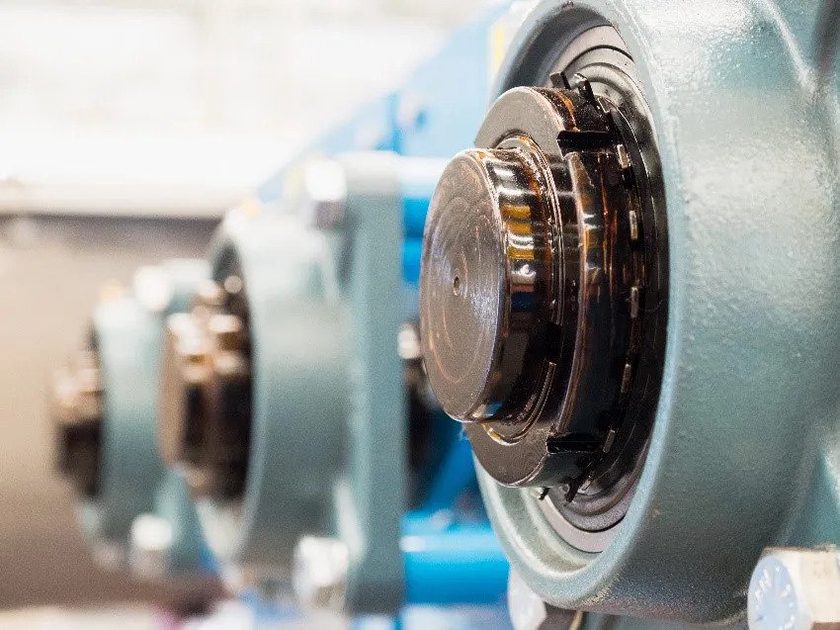
Lubricant functions as the lifeblood running through your machinery. That reality makes it imperative to establish sound industrial lubrication practices that keep your equipment performing at its highest level.
A well-constructed lubrication program is precisely the tool that makes this possible.
Below, we break down what this program entails, which core components it must include, and the concrete benefits it delivers.
At its core, a lubrication program is a structured plan ensuring that every machine in your operation receives adequate lubrication. It establishes industrial lubrication best practices and tracks adherence to those practices throughout the entire organization.
The program is built around the five Rights of lubrication — the right lubricant, right quantity, right location, right time, and right method. These five "Rs" are fundamental to maximizing both the efficiency and profitability of your lubrication strategy and, by extension, your equipment as a whole.
Building an effective lubrication program that enhances equipment performance, reliability, and durability requires incorporating the following key components.
Establishing a long-term maintenance program that spans all of your business operations brings numerous meaningful advantages.
When consistent measures are applied across the organizational structure, every leader and stakeholder shares the same understanding. They pursue a unified objective — sustaining the reliability, efficiency, and productivity of the machinery — and they have a clear roadmap for achieving it through proper industrial lubrication.
The goals and objectives embedded in the maintenance plan must be monitored and revisited on a routine basis. This practice keeps the organization's priorities aligned and mutually reinforcing.
Every equipment component is engineered to work with a specific lubricant type. Treat lubricant selection as a serious decision, because choosing correctly saves both time and money over the life of the equipment.
Start by consulting the Original Equipment Manufacturer (OEM) manual, which outlines the lubrication specifications required for the machinery to function at peak capacity.
Equally important is identifying a lubricant supplier who serves as your primary contact whenever industrial lubrication questions arise. That supplier should guide you in selecting the appropriate fluids for your equipment while cross-referencing the OEM recommendations.
Sound lubricant storage and handling practices are indispensable for preserving fluid quality and performance.
Designating a dedicated lubrication storage area ensures your fluids are kept in an organized, well-lit, and temperature-controlled environment. This protects them from extreme thermal fluctuations and direct sunlight, both of which can degrade the products. A dedicated area also simplifies labeling, so the location of each lubricant is always clear.
Careful handling is essential for preventing fluid contamination. When lubricating fluids are managed responsibly, they remain particle-clean — a condition that directly supports machinery reliability and sustained performance.
Measuring the effectiveness of your lubrication program requires close monitoring of each relevant parameter. Track the data consistently, stay informed about operational conditions, and conduct regular lube surveys.
Plan an annual review to reassess your lubrication strategy alongside equipment reliability, performance metrics, and organizational objectives.
This ongoing evaluation process enables you to detect problems early and address them before they threaten performance and productivity. It sustains high standards of quality and operational efficiency while keeping you aligned — or allowing you to recalibrate — with your stated goals.
Industrial lubrication is a field in constant evolution, and staying current with emerging developments is essential.
Invest in education for yourself and your workforce by engaging in lubrication training programs, attending relevant conferences, and following industry publications and research. Ensure every employee understands how to apply, store, and handle fluids correctly and grasps the fundamental principles of the program.
Do not hesitate to incorporate new components or adopt a fresh approach whenever you identify an opportunity to strengthen your operations.
Optimal lubrication is the foundation of efficient machinery performance. It follows that a carefully designed lubrication program delivers substantial and measurable advantages.
A quality program first and foremost boosts equipment reliability while reducing downtime. The result is greater productivity, improved performance, and lower operating costs — all of which translate directly into higher profitability.
Beyond that, a well-structured program lets you define the most critical KPIs, then track and evaluate progress against them. This visibility creates opportunities to continuously refine lubrication practices and push the success of your operations further.
Proper industrial lubrication is fundamental to keeping machinery in peak operating condition. Implementing a lubrication program and ensuring organization-wide adherence to it should therefore rank as a top priority.
Choose the correct lubricant and manage its storage and handling in line with manufacturer guidance. Track KPIs, invest in workforce training, and evaluate program outcomes regularly. Above all, embed the maintenance philosophy as a foundational element of your organization.




No feedback yet — submit the first.