When people ask for the **best high temp grease for industrial machinery**, they are usually trying to solve a failure problem, not win a spec-sheet argument. Bearings purge, grease hardens, oil separates, or the machine runs hot enough to carbonize the lubricant before the next PM interval. In the lab we call this thermal degradation and mechanical stability loss — on your shop floor, it means shorter bearing life, more downtime, and technicians adding grease too often. The right answer starts with application conditions: temperature, load, speed, contamination, relubrication interval, and compatibility with what is already in the housing.
Start with the real failure mechanism
High temperature by itself does not define the right grease. A conveyor idler near an oven, a pillow block on a kiln fan, and an electric motor in a hot washdown area all see heat, but they do not stress grease the same way. By the relevant standard, NLGI consistency tells you how firm the grease is, while the base oil viscosity and thickener system tell you much more about film strength and heat resistance. ASTM D2265 dropping point is useful, but it is not a safe continuous operating temperature. That is one of the most common mistakes I see in plants.
Three failure modes, one root cause — here they are. First, oxidation thickens the oil and forms varnish-like residues. Second, oil bleed changes, so the bearing either starves or leaks. Third, the thickener structure collapses under heat and shear. If your machine is heavily loaded at modest speed, a high-viscosity synthetic base oil with EP additives may outperform a lighter grease with a flashy temperature claim. If it is a high-speed motor bearing, too much base oil viscosity can increase churning and temperature.
Thickener chemistry matters more than most buyers think
If you are comparing products for the **best high temp grease for industrial machinery**, start with the thickener family. Lithium complex remains common because it balances cost, pumpability, water resistance, and elevated-temperature performance. Polyurea is often excellent in electric motor bearings because of oxidation stability and long life, though compatibility with other greases must be checked carefully. Calcium sulfonate complex has become a favorite in severe industrial service because it combines strong mechanical stability, good water resistance, corrosion protection, and inherent load-carrying performance.

Aluminum complex also has a place, especially where tackiness and water resistance help, but it is not my default first choice for the hottest bearing positions. Clay or bentonite thickeners are sometimes called non-melt greases because they do not have a conventional dropping point in the same way soap-thickened greases do. That sounds impressive, but non-melt does not mean non-failing; oxidation and hardening still occur. By the relevant standard, dropping point is only one screening value, not a life prediction.
Application Note: For oven conveyor bearings and slow, hot rolling-element bearings, I often look first at lithium complex or calcium sulfonate complex with a PAO or ester synthetic base oil, NLGI 1 or 2 depending on delivery method. For electric motors in hot service, polyurea deserves serious attention if compatibility and relube practices are controlled.
Base oil, viscosity, and additives decide film strength
The **best high temp grease for industrial machinery** is usually not the one with the highest advertised temperature ceiling. It is the one that keeps an oil film between surfaces at the actual bearing speed and load. Base oil selection matters here. Mineral oil can work well in moderately hot service, but synthetic PAO, ester, or silicone-based formulations often give better oxidation resistance at sustained temperature. Esters can offer excellent lubricity, though seal compatibility and formulation details matter.
For loaded bearings, base oil viscosity at operating temperature is critical. Too low, and the film collapses. Too high, and you generate heat through internal drag. This is where speed factor and bearing type matter more than marketing language. EP, or extreme-pressure, additives help prevent surface distress under high load. Antiwear additives reduce wear in mixed lubrication regimes, where the oil film is not fully separating the surfaces. Rust inhibitors and oxidation inhibitors are also essential in real plants, especially where heat and moisture coexist.
In the lab we call this selecting for viscosity at temperature — on your shop floor, it means the grease must still act like a lubricant when the bearing housing is too hot to touch, not just when the machine is cold at startup.
Standards and test data you should actually read
A good shortlist for the **best high temp grease for industrial machinery** should be built from test data, not color, tackiness, or brand familiarity. Start with NLGI grade for consistency. Then review ASTM D217 worked penetration, ASTM D2265 dropping point, ASTM D445 base oil viscosity, ASTM D1742 oil separation, ASTM D4048 copper corrosion, ASTM D1264 water washout, and ASTM D2596 or D2266 for load and wear behavior where relevant. For wheel-bearing style elevated-temperature screening, ASTM D3527 can also be informative, even though industrial duty cycles vary.
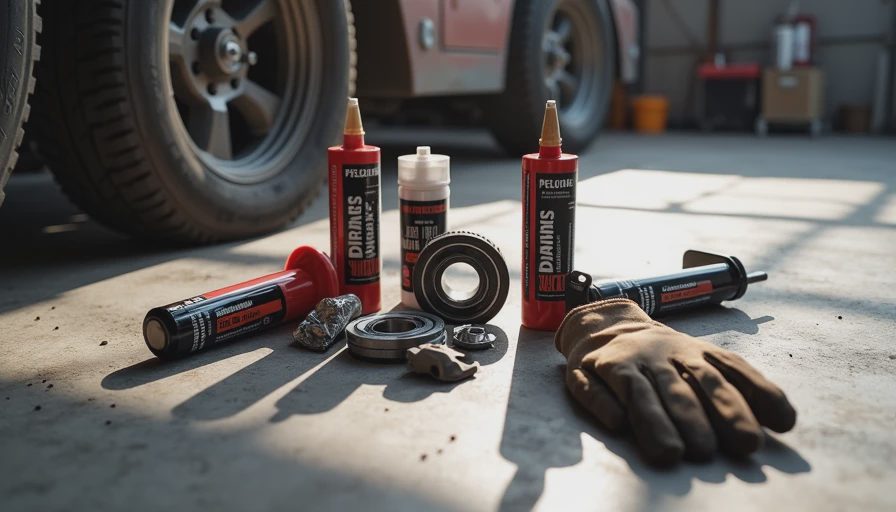
If your site runs centralized lubrication, also look at low-temperature pumpability and shear stability. If your equipment sees water, steam, or caustic washdown, prioritize water resistance and corrosion protection alongside heat capability. Compatibility is another non-negotiable. Polyurea mixed with some lithium complex greases can soften or harden unpredictably. The safest practice is to consult the supplier's compatibility chart and, if the machine is critical, purge thoroughly during changeover.
Application Note: On paper machines, food plants, and marine deck equipment, water often kills grease before heat does. In those cases, calcium sulfonate complex can outperform a nominally hotter grease that lacks washout resistance.
Practical buying guidance for plants and maintenance teams
So what is the practical answer to **best high temp grease for industrial machinery**? For many general industrial hot-bearing applications, a premium lithium complex or calcium sulfonate complex synthetic grease is the first place to look. For high-speed electric motors in hot service, a quality polyurea grease often makes better engineering sense. For very slow, very hot, heavily loaded positions, synthetic base oils with higher viscosity and robust EP packages usually beat general-purpose products.
My advice is simple. Match the grease to the failure mode, not to the loudest label. Record operating temperature, bearing type, shaft speed, load zone, contamination exposure, and relubrication interval. Then standardize on the fewest greases possible across the plant without forcing one product into incompatible duties. That reduces misapplication, which is still one of the leading causes of lubrication trouble.
If you are replacing a generic multipurpose grease in a hot machine, do not expect miracles from the new product unless you also correct overgreasing, seal damage, and poor interval control. The best grease can still fail in a bad program. But with the right thickener, the right base oil viscosity, and data tied back to ASTM and NLGI standards, you can materially extend component life and reduce unplanned maintenance.




No feedback yet — submit the first.