A gearbox running hot, a hydraulic pump losing pressure, or a turbine showing rising varnish can turn a lubrication decision into a production decision. ExxonMobil offers a broad portfolio for these conditions, but the brand name alone does not select the right fluid. The viscosity grade, base-oil chemistry, additive package, operating temperature, seal material, and contamination control program must match the machine.
I have seen maintenance teams treat lubricant selection as a purchasing exercise: compare the price per gallon, approve the lowest bid, and move on. That approach ignores film thickness and oxidation stability. In the lab we call this elastohydrodynamic film formation; on your shop floor, it means whether a bearing survives a heavy start without metal-to-metal contact. ExxonMobil products can perform well, but only when the application and specification are aligned.
What the ExxonMobil portfolio actually covers
ExxonMobil is associated with Mobil industrial lubricants, including synthetic Mobil SHC products, mineral and synthetic hydraulic oils in the Mobil DTE family, and compressor lubricants such as Mobil Rarus. Each family addresses a different operating problem. Mobil SHC products are commonly considered where wide temperature swings, energy efficiency goals, or extended drain intervals justify a synthetic base stock. Mobil DTE fluids cover multiple hydraulic and circulating-oil applications, but DTE is a product family, not one universal specification. Mobil Rarus products are intended for compressor service, with the exact formulation depending on compressor design and gas exposure.
The first filter should be the equipment manual. Look for an ISO viscosity grade, performance approval, or required standard rather than selecting by product color or marketing category. ISO VG 46, for example, identifies a nominal kinematic-viscosity grade at 40 degrees C; it does not by itself prove that two oils have identical additive chemistry. For grease, NLGI 2 describes consistency, not the complete load, temperature, or compatibility profile.
By the relevant standard, ISO 3448 defines industrial liquid viscosity grades, while ASTM D445 is used to measure kinematic viscosity. Those references help you compare fluids, but they do not replace an OEM approval. A compressor, paper-machine bearing, and hydraulic power unit can all use an ISO VG 46 fluid while requiring different oxidation, antiwear, or demulsibility performance.
Application Note: Start with the machine, not the catalog
Record the bearing or gear type, speed, load, sump temperature, ambient temperature, seals, and existing product. Then identify whether the system requires antiwear hydraulic performance, circulating-oil rust protection, gear-load protection, or compressor-specific deposit control. That short data sheet prevents an expensive mismatch.

Choosing synthetic oil for heat, cold, and long drains
Synthetic oil is not automatically better for every machine. Its value appears when the operating envelope creates a measurable problem: difficult cold starts, high bulk temperature, frequent thermal cycling, or a cost associated with unplanned drains. Mobil SHC products are often evaluated in these situations because synthetic base oils can offer a wider useful temperature range and strong resistance to oxidation. The final decision still depends on viscosity and additive compatibility.
For a heavily loaded gearbox, calculate the required viscosity from the OEM recommendation and actual operating temperature. A fluid that is too thin may reduce film thickness; one that is too thick can increase churning losses and startup torque. In the Stribeck curve, the transition from boundary to mixed and hydrodynamic lubrication depends on speed, load, viscosity, and surface condition. ExxonMobil can supply a candidate product, but the machine data determines whether that candidate is appropriate.
Do not assume that a synthetic conversion is a simple drain-and-fill. Residual mineral oil, deposits, incompatible seal materials, and different additive chemistry can affect service. Review the product data sheet, inspect the seals, drain the reservoir while warm, clean strainers, and use a flushing procedure if the supplier or OEM requires it. Record the before-and-after oil condition so an unexpected change in particle count or viscosity has a baseline.
Hydraulic systems: viscosity and cleanliness decide service life
Hydraulic failures are frequently blamed on the pump when contamination or wrong viscosity is the real cause. A modern hydraulic system needs oil that maintains the required film at operating temperature, protects against wear, releases entrained air, separates water appropriately, and remains clean. Mobil DTE products cover several hydraulic and circulating applications, but the specific grade must follow the equipment builder and the system temperature.
Use ISO 4406 to report solid-particle cleanliness with three code numbers representing particle counts at defined size ranges. The target cleanliness level should come from the component manufacturer or a validated reliability program. New oil is not necessarily clean enough to add directly to a servo or proportional-valve system. Filter transfer oil through a suitable kidney-loop or portable filtration unit, and use dedicated, capped containers.
A practical sampling plan takes one representative sample from a live, turbulent zone upstream of the filter return when possible. Avoid sampling from the drain pan or the bottom of a quiet reservoir, where settled debris can exaggerate or distort the result. Trend viscosity, water, elemental metals, particle count, and oxidation indicators. One abnormal result deserves investigation; a trend deserves a work order.
Application Note: A paper-mill hydraulic unit
In a wet, high-duty environment, inspect breather condition, cooler performance, and water ingress before changing brands. A higher-priced oil cannot compensate for a saturated desiccant breather or a leaking cooler. ExxonMobil may be part of a sound hydraulic program, but filtration and sampling usually deliver the more immediate reliability improvement.

Gearboxes, compressors, and marine equipment
Gearboxes impose sliding and rolling contact, shock loading, and heat rejection demands. Confirm whether the OEM specifies an industrial gear oil, a circulating oil, or a special synthetic formulation. Check the required viscosity, load-carrying test language, and seal restrictions. Mixing a gear oil with a turbine or hydraulic oil can dilute the additive system and change foam, demulsibility, or wear performance.
Compressors require even more discipline because discharge temperature, gas composition, and deposit formation interact. Mobil Rarus products are not interchangeable across reciprocating, rotary-screw, and rotary-vane designs without checking the compressor manual and lubricant data. For oxygen service or chemically reactive gases, generic petroleum-oil assumptions are unsafe. Use the equipment maker's stated lubricant approval and service procedure.
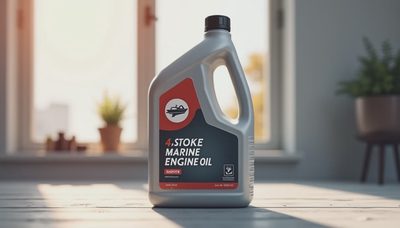
Marine machinery adds saltwater exposure, long duty cycles, and difficult access. For a marine diesel, distinguish crankcase oil, gear oil, hydraulic fluid, and grease; each has a separate duty. ASTM D892 foam testing, ASTM D665 rust protection, and NLGI consistency references can help interpret specifications, but test methods are not a substitute for the engine or gearbox maker's approval. ExxonMobil products should enter the vessel's oil record with product name, viscosity, batch information, and change date.
A maintenance process that protects the lubricant budget
Start with a written lubricant register. List every reservoir, capacity, ISO grade, approved products, top-up quantity, filter rating, sampling point, and change trigger. Color coding can reduce mistakes, but labels and dedicated transfer equipment matter more than color alone.
Next, establish a baseline sample after the system has reached normal operating conditions. Set alarm limits for viscosity change, water, wear metals, particle count, and oxidation. Do not use a single universal alarm limit for every machine: a slow-speed gearbox and a high-pressure servo system have different risk profiles.
When changing products, document drain temperature, old-fluid appearance, filter condition, flush volume, and the first follow-up sample. A two-week or 50-hour check can reveal incompatibility, but the interval should match the equipment's duty cycle. ExxonMobil technical data sheets and OEM manuals should be reviewed together, especially when extending drain intervals or converting to synthetic oil.
The economics are straightforward. A 100-gallon reservoir filled with oil costing $12 per gallon represents $1,200 in lubricant. A pump or gearbox failure can add thousands of dollars in parts, labor, lost production, and cleanup. Spending an additional $3 per gallon on a fluid that solves a documented thermal or oxidation problem can be sensible; spending it without diagnosis is simply expensive inventory.
Final selection checklist for ExxonMobil products
Before approving a product, confirm the OEM specification, ISO viscosity grade, base-oil type, additive purpose, seal compatibility, operating temperature, and contamination-control requirements. Verify whether the machine contains a residual lubricant that could create compatibility concerns. Ask for the current product data sheet and safety data sheet rather than relying on an old plant spreadsheet.
Then define how performance will be judged. For a hydraulic unit, use pressure stability, temperature, particle count, and wear trends. For a gearbox, track temperature, vibration, ferrous debris, and viscosity. For a compressor, monitor discharge temperature, deposits, oil carryover, and drain analysis. ExxonMobil is a credible starting point for many industrial programs, but disciplined application engineering is what converts a lubricant purchase into reliability.
My recommendation is direct: specify the machine requirement first, then compare approved ExxonMobil options against equivalent products on total operating cost. In the lab we call this tribological control; on your shop floor, it means fewer surprises at the next shift meeting.




No feedback yet — submit the first.