When a gearbox, hydraulic pump, or bearing fails prematurely, the lubricant is often questioned last. That is backwards. The OEM recommendation is usually the starting point for controlling viscosity, additive chemistry, cleanliness, and compatibility. In maintenance work, OEM does not simply mean “buy the branded bottle.” It means understand the equipment maker’s design assumptions and verify that the selected fluid can meet them.
What OEM Really Means in Lubrication
OEM stands for original equipment manufacturer. In a lubrication manual, an OEM requirement may identify an ISO viscosity grade, an additive performance level, a proprietary approval, or a test method. These details matter because two oils with the same viscosity can behave very differently under load, heat, water contamination, or air entrainment.
For example, ISO VG 220 describes a nominal viscosity grade, not a complete performance package. One ISO VG 220 gear oil may contain sulfur-phosphorus extreme-pressure additives, while another may use a different chemistry intended for bronze components or high-temperature service. The viscosity number helps establish film thickness; it does not prove compatibility with seals, coatings, bearings, or gears.
In the lab we call this the operating viscosity window; on your shop floor, it means the oil must remain thick enough to separate surfaces without becoming so viscous that the machine overheats or starves a pump. The OEM documentation should therefore be read alongside load, speed, temperature, and contamination data.
Application Note: For a paper-mill gearbox running near a wet section, the specified oil must provide more than load-carrying capacity. Water separation, rust protection, and resistance to foaming can determine whether the same lubricant survives a full service interval.
How to Read an OEM Lubricant Recommendation
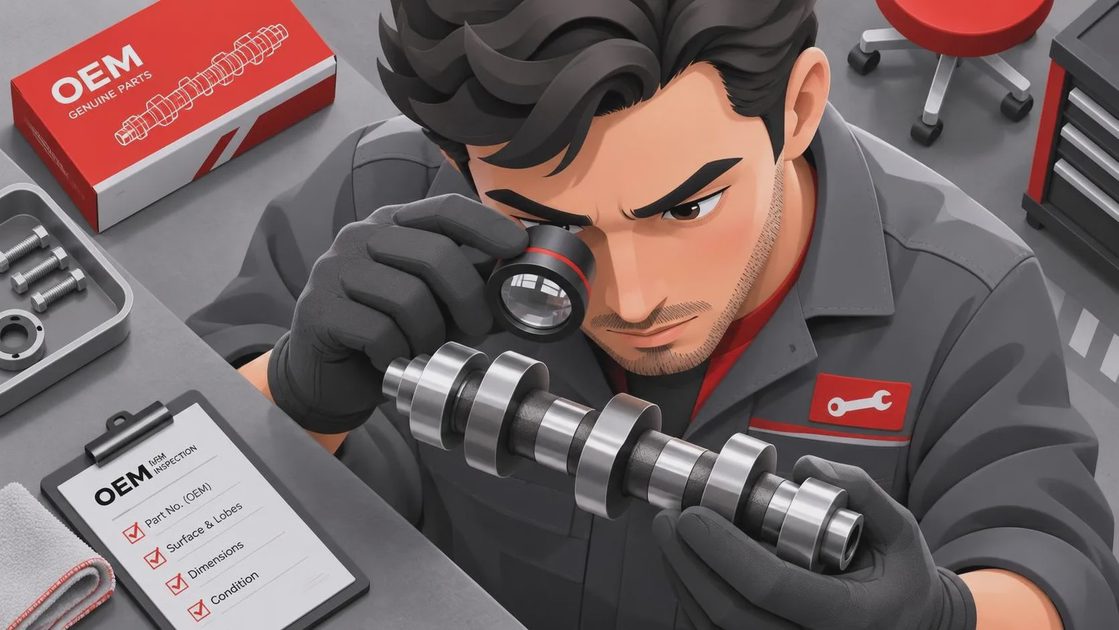
Start by separating mandatory requirements from convenient product examples. A manual might name a commercial product, then list the underlying requirements in smaller print. Look for viscosity grade, base-oil type, additive restrictions, operating temperature, and any formal approval. The approval is especially important when the manufacturer has tested a lubricant against a seal material, clutch pack, paint system, or bearing arrangement.
Next, identify the relevant standard. Gear oils may reference ISO 12925-1 classifications, while hydraulic fluids can be described using ISO 11158 or DIN 51524 categories. Greases should be evaluated by NLGI consistency grade, but NLGI 2 alone does not describe dropping point, oil separation, corrosion protection, or high-load behavior. ASTM test results can add useful detail: ASTM D445 measures kinematic viscosity, ASTM D892 evaluates foaming tendency, and ASTM D1401 measures water separability for suitable oils.
Do not treat these standards as interchangeable labels. ISO VG 46 hydraulic oil and SAE 40 engine oil use different classification systems and should not be selected by number alone. The OEM requirement establishes the boundary conditions; the standard tells you how a property is classified or measured.
Three Failure Modes, One Root Cause
The first common failure mode is insufficient film thickness. A low-viscosity substitute can reduce friction at light load, but it may allow asperity contact when a gear tooth or journal bearing is heavily loaded. The result can be micropitting, scuffing, elevated ferrous debris, and eventually a major repair.
The second is chemical incompatibility. An additive package intended for steel gears can stain yellow metals, attack certain seal compounds, or interfere with wet brakes and clutches. This is why an OEM approval is more meaningful than a broad claim such as “premium industrial oil.” Ask for written compatibility information when changing chemistry.
The third is contamination control. Even a correctly approved fluid can fail when water, dirt, process chemicals, or another oil enters the reservoir. For hydraulic equipment, particle cleanliness should be monitored using ISO 4406 coding. A target such as 18/16/13 is not universal, but the principle is universal: cleanliness must match the component’s sensitivity and pressure level.
Application Note: A vane pump that becomes noisy after an oil change may not need a different brand. Check viscosity at operating temperature, suction-side air leaks, reservoir level, and particle counts before blaming the formulation.
Choosing a Substitute Without Guesswork
When the named product is unavailable, create a requirement sheet before searching for an alternative. Record the equipment model, duty cycle, reservoir volume, current lubricant, viscosity at 40 and 100 degrees Celsius, base oil, additive type, seal materials, and documented approval. Include the minimum and maximum ambient temperatures, because a fluid suitable for a warm Gulf Coast plant may be too viscous during a Minnesota startup.
Then compare technical data sheets line by line. A substitute should meet or exceed the required viscosity, performance classification, and approval status. “Meets the requirements of” is not always the same as “approved by.” The distinction matters when a warranty, safety case, or critical asset strategy depends on formal qualification.
For grease, compare thickener type before comparing NLGI grade. A lithium-complex NLGI 2 grease is not automatically compatible with a polyurea NLGI 2 grease. Mixing can soften or harden the blend, causing leakage or poor release of base oil. When compatibility is uncertain, purge old grease where practical, clean the fitting path, and conduct a controlled relubrication trial.
Building an OEM-Based Lubrication Program
A reliable program turns recommendations into controlled work. Store the manual and current technical data sheet in the asset record. Label each fill point with the lubricant name, viscosity or NLGI grade, and contamination precautions. Use dedicated, clean transfer containers rather than an unmarked bucket that has handled several oils.
Sample critical equipment at a defined interval and trend viscosity, water, particle count, oxidation, and wear metals. ASTM D445 can help identify viscosity change, while infrared analysis and elemental spectroscopy can reveal oxidation products or abnormal wear. The test is valuable only when the sample location, timing, and operating conditions are consistent.
Train technicians to report exceptions. A top-up with the wrong oil, a cloudy sight glass, or a filter bypass event should become a maintenance record, not a quiet correction. For high-value assets, a lubricant changeover plan should include drain-down, flushing, filter replacement, first sample timing, and acceptance limits.
When the Manual Is Silent or Outdated
Older equipment often provides incomplete data. In that case, do not infer the correct product from a familiar brand name or from what another machine uses. Obtain the original manual, contact the equipment builder, consult a qualified lubricant supplier, and inspect the actual duty. Measure operating temperature and review failure debris before selecting a replacement.
If the OEM is no longer available, the risk-based approach is straightforward: identify the most sensitive component, establish the required viscosity range, verify material compatibility, and choose a fluid with recognized performance data. Document the reasoning and approve the change through your management-of-change process.
The strongest lubrication decisions connect design intent with measured field conditions. An OEM requirement is valuable, but it is not a substitute for sampling, cleanliness control, and correct application. Use the specification as the anchor, use ISO, ASTM, and NLGI methods to interpret it, and make every lubricant change traceable. That is how a maintenance team protects film thickness, component materials, and production uptime at the same time.



No feedback yet — submit the first.