When a gearbox runs hot, a hydraulic pump loses efficiency, or a high-performance engine shows varnish on its bearings, the first question should not be “Which brand is best?” It should be “What failure mechanism are we trying to control?” Royal Purple is widely known for synthetic lubricants in automotive, racing, marine, and industrial settings, but the useful engineering question is whether a particular formulation matches the load, temperature, materials, and contamination risks in your equipment.
Synthetic oil is not automatically the correct oil. The base stock, additive system, viscosity, air-release behavior, demulsibility, seal compatibility, and change interval all matter. In the lab we call this tribosystem analysis — on your shop floor, it means selecting a fluid for the machine rather than selecting a label from a shelf.
What Royal Purple lubricants are designed to do
Royal Purple products are generally positioned around synthetic or synthetic-blend lubrication, reduced friction, wear protection, and resistance to thermal breakdown. Those objectives are relevant because machine surfaces rarely operate under one simple condition. A rolling-element bearing may experience hydrodynamic lubrication during steady operation, mixed lubrication during start-up, and boundary lubrication during an overload. Each regime places a different demand on the additive package.
Viscosity remains the starting point. A fluid that is too thin can produce insufficient film thickness at operating temperature. One that is too thick can increase churning losses, delay circulation, and raise start-up torque. For industrial oils, ISO viscosity grades such as ISO VG 32, 46, 68, and 220 provide a standardized kinematic-viscosity range at 40 degrees Celsius. The correct grade should come from the equipment manual, calculated film-thickness requirements, and actual operating temperature, not from a general claim about “high performance.”
Royal Purple may be considered when a synthetic fluid’s oxidation resistance or low-temperature flow is valuable. That is especially relevant in equipment with hot bearings, long service periods, outdoor exposure, or frequent cold starts. The benefit must still be confirmed through oil analysis and temperature measurements.
Application Note: industrial gearboxes
For a helical or bevel gearbox, record sump temperature, load, speed, and gear tooth condition before changing lubricant. Confirm whether the manufacturer specifies an industrial gear oil, an automotive gear lubricant, or a compounded formulation. API GL classifications apply primarily to automotive gear lubricants and should not be treated as a universal substitute for an OEM industrial specification. A product carrying the wrong chemistry can affect bronze components, seals, or foam control even when its viscosity appears correct.
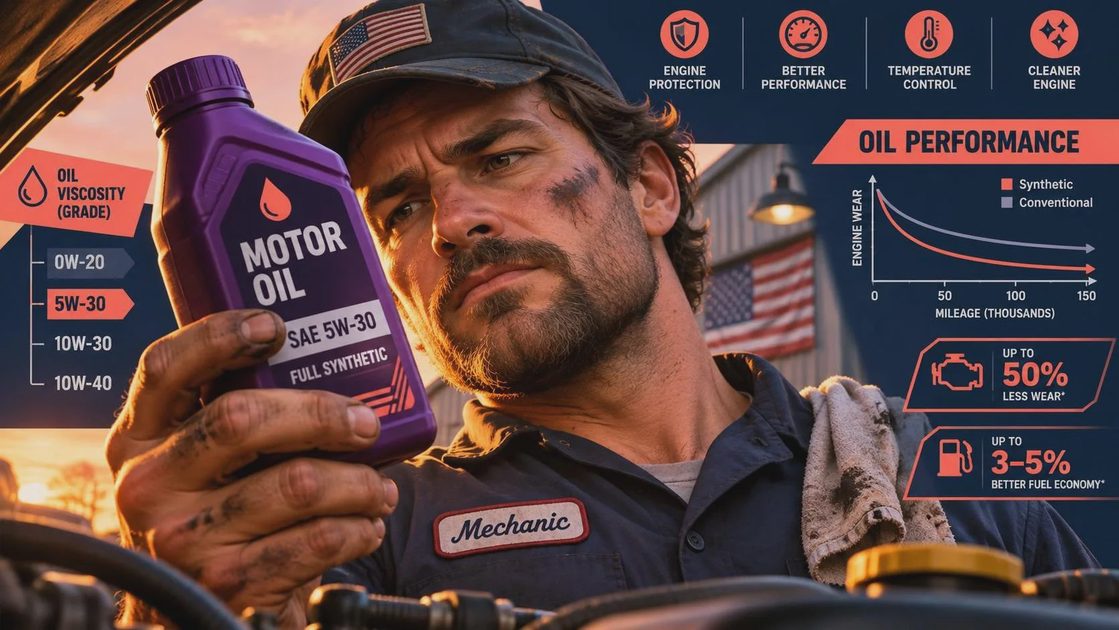
Matching the formulation to the machine
The most common lubrication error I see is treating “synthetic” as a complete specification. It is not. A hydraulic system needs viscosity control, antiwear performance, filterability, hydrolytic stability, and controlled foam. A compressor may need excellent oxidation resistance and deposit control. A marine engine adds water exposure, fuel dilution, salt air, and long periods of variable load.
For hydraulic equipment, compare the proposed product with the pump maker’s required fluid category and test data. ASTM D445 is used for kinematic viscosity, ASTM D2270 for viscosity index calculations, and ASTM D892 for foam tendency and stability. These tests do not by themselves prove that an oil is suitable, but they provide a disciplined vocabulary for comparing fluids. If a plant is experiencing sluggish cold starts, check viscosity at the actual minimum temperature rather than relying only on the 40-degree value.
For grease, NLGI grade describes consistency, not complete performance. An NLGI 2 grease is a common consistency for many bearings, but thickener type, base-oil viscosity, water resistance, mechanical stability, and relubrication interval are equally important. Do not mix greases merely because both carry the same NLGI number. A compatibility check or controlled purge is safer than assuming the products will cooperate.
Royal Purple products should therefore be selected by application family and specification first. A motor oil intended for a passenger vehicle is not automatically suitable for a high-load worm gearbox, circulating oil system, or electric-motor bearing.
Compatibility, conversion, and oil analysis
Changing lubricant brands can be straightforward when the new and existing products share the same base-oil type, viscosity grade, additive intent, and equipment approval. It becomes more complicated when changing from mineral oil to a synthetic formulation, from one grease thickener to another, or from an extreme-pressure gear oil to a circulating oil. Residual oil can alter the final mixture, so a conversion should include draining while warm, inspecting the sump, replacing filters, and documenting the fill quantity.
Before using Royal Purple in a critical machine, take a baseline sample of the current oil. After conversion, sample at a defined interval and trend viscosity, oxidation, particle count, water, and wear metals. ASTM D5185 is commonly used for inductively coupled plasma analysis of wear metals and additive elements, while ISO 4406 is used to report hydraulic-fluid cleanliness codes. These measurements turn a brand change into a controlled maintenance trial.
The objective is not to prove that one label is universally superior. The objective is to determine whether the machine is cleaner, cooler, and more stable under the same operating duty.
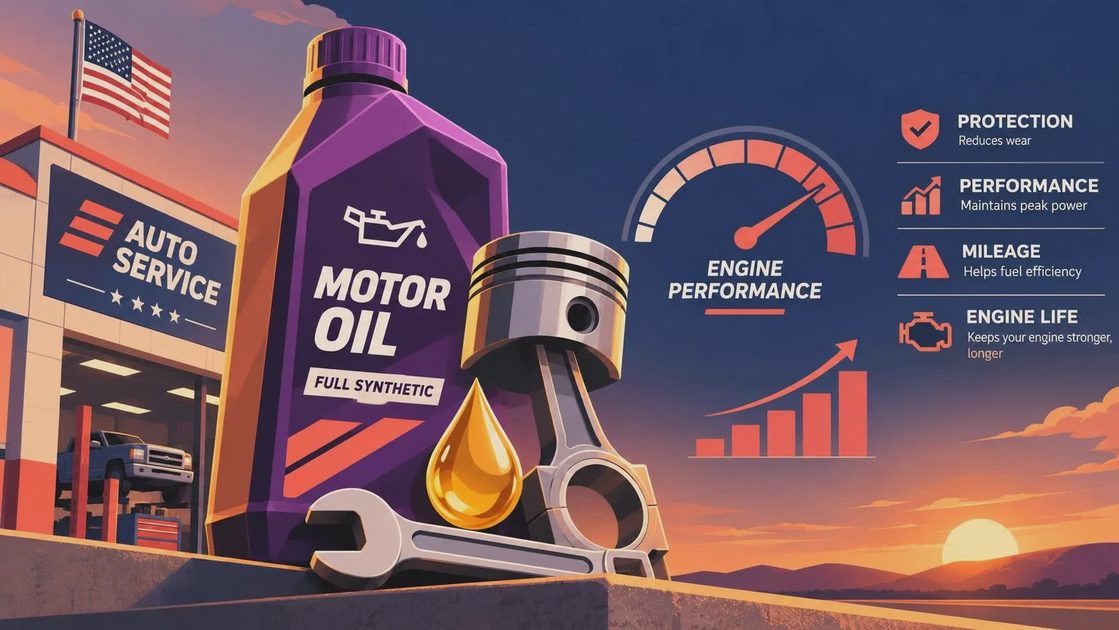
Common failure modes after an oil change
Three failure modes, one root cause — here they are. First, the wrong viscosity can cause elevated temperature, poor flow, or inadequate film thickness. Second, incompatible additives or greases can produce deposits, seal swelling, filter plugging, or loss of corrosion protection. Third, poor housekeeping can overwhelm an otherwise capable lubricant with water, dust, metal particles, or process chemicals.
Royal Purple cannot compensate for a breather saturated with moisture, a misaligned coupling, an overfilled gearbox, or a bearing relubricated twice as often as necessary. During inspection, look for foaming in sight glasses, milky oil, darkened deposits, abnormal odor, rising particle counts, and unexplained temperature changes. A simple temperature trend from an infrared instrument can reveal a developing problem before vibration or oil analysis confirms it.
In marine service, pay particular attention to water contamination and corrosion protection. In motorsport, confirm the oil’s viscosity and performance category against the engine builder’s bearing clearances and expected oil temperature. Race use can justify a different service interval, but it does not remove the need for a documented inspection.
A practical selection checklist
Start with the OEM manual and write down the required viscosity, performance category, fill volume, and change interval. Next, identify the dominant stress: high temperature, shock loading, water contamination, low-temperature start-up, oxidation, or extended operation. Then compare the technical data sheet, safety data sheet, and approval language for the proposed Royal Purple product.
Confirm seal materials and lubricant compatibility, especially in older equipment using nitrile, polyurethane, or fluorocarbon seals. Verify that filters will tolerate the fluid and that the oil has suitable air-release and demulsibility characteristics. Record the initial oil temperature, vibration condition, and sample results. After installation, inspect for leaks and take a follow-up sample early enough to catch a conversion problem before it becomes a bearing or gear failure.
For a small engine, this process may take an afternoon. For a paper-mill gearbox, turbine auxiliary system, or marine diesel, it should be managed as a maintenance change with written acceptance criteria. The cost of laboratory testing is modest beside an unplanned outage.
Final assessment
Royal Purple can be a sensible candidate where synthetic performance, temperature control, or a particular application specification supports the change. It is not a universal remedy, and a higher price does not replace correct viscosity, cleanliness, alignment, or sampling. Choose the product by the machine’s documented requirements, verify the relevant ASTM, ISO, API, or NLGI information, and measure the result in service.
That is the practical standard I use: establish a baseline, change one meaningful variable, and trend evidence afterward. When the oil is doing its job, the result appears in stable temperatures, controlled wear metals, clean filters, and longer predictable service—not merely in the color of the container.




No feedback yet — submit the first.