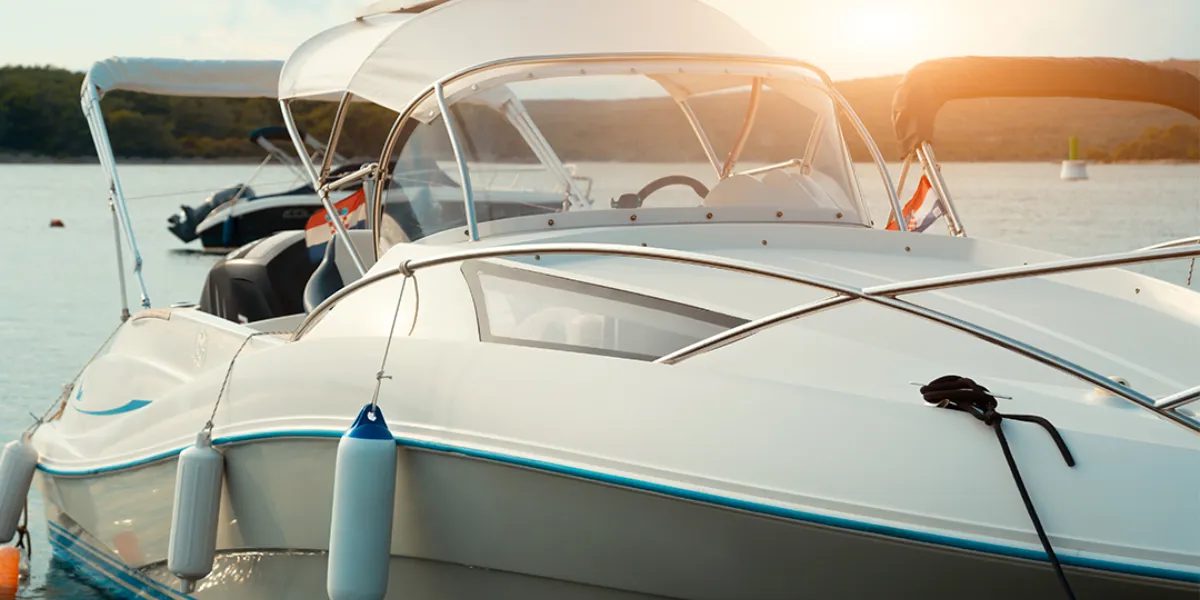
On the open water, even a minor engine failure can come at a steep cost. Keeping your vessel in peak condition with every system functioning flawlessly requires supplying your engine with the appropriate marine engine oil. Your lubricant selection influences not just the engine's efficiency and longevity, but your personal safety as well. This concise yet practical guide will walk you through choosing the marine engine oils best suited to your vessel's specific needs.
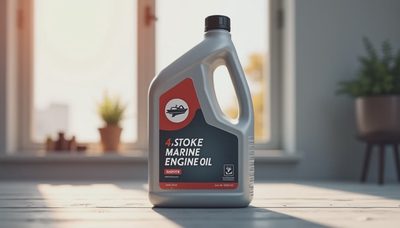
The primary function of marine oil is to lubricate all moving engine components, minimizing friction and heat buildup between surfaces in contact. Beyond that, marine engine oil forms a protective seal that shields internal parts from debris and corrosion. Corrosion poses a particularly serious threat in marine environments due to the salt and rust introduced by seawater, making it essential to use purpose-built marine engine oil and marine coolant to counter these damaging effects.
Marine engines may be large and powerful, yet they remain susceptible to wear and tear. Proper lubrication is fundamental to engine operation, and that lubrication depends on several key properties:
We have covered a great deal about marine oils, but what about marine fuel? Numerous excellent online resources address marine fuel topics, including liquid natural gas, heavy fuel oil, very-low and ultra-low sulphur fuel, and biofuel. Based on the vessel engine, vessel specifications, and the marine fuel types mentioned above, selecting a marine oil that satisfies all of those requirements is a worthwhile investment:
Marine vessels operate across a wide range of conditions and carry distinct performance demands, all of which shape the selection of an appropriate marine lubricant.
Cold-start capability is essential for vessels that regularly operate in low temperatures, while thermal stability at high heat is critical for vessels running in warm climates or under continuous load.
Marine engines are subject to fluctuating stresses and loads, and the lubricant must be capable of handling all of it. Heavy-duty greases and oils are formulated for extreme pressure applications and are built to withstand a high likelihood of wear and tear.
Standard oils and greases can emulsify and lose their lubricating properties when exposed to moisture. For this reason, water-resistant lubricants that maintain protection even in wet environments are an essential choice.
These are refined from crude oil. Although they cost less and perform reliably across a variety of conditions, they do not match the performance level of synthetic lubricants.
Formulated to endure extreme operating conditions while delivering maximum performance, protection against oxidation, and reduced deposit formation. Despite their higher upfront cost, these lubricants remain economical due to their extended drain intervals, lower maintenance demands, and ability to extend engine life.
Leave a minimal footprint on the surrounding environment. Produced from plant-based sources or synthetic esters, they support environmentally responsible maritime operations.
Achieving optimal engine performance and safety calls for investment in not only the correct marine engine oils but also complementary products such as top marine coolant, specialized grease, and other workshop products designed for marine applications.
Valvoline offers premium marine engine oils alongside a full range of products for both commercial and pleasure crafts. Our high-quality products, developed through decades of testing and real-world experience, deliver outstanding performance and extended vessel lifespan under all conditions. Your nearest Valvoline distributor and our convenient Lubricant Advisor are available to provide further guidance for an informed purchasing decision and to help identify the ideal product for your marine vessel.



No feedback yet — submit the first.