When a driver sees a warning lamp or a gauge drifting down at hot idle, the question is not academic. Low oil cause low oil pressure is a real failure path, but it is only one path in a larger oiling system problem. Oil pressure is not the same thing as oil level. The level is how much oil sits in the sump; the pressure is the force needed to push that oil through the pump, galleries, bearings, and lifters. In the lab we call this starvation and leakage control; on your shop floor, it means the pump may be pulling air, not oil, and the bearing film can collapse faster than the engine can react.
Why low oil cause low oil pressure in the first place
Low oil level matters because the pump pickup needs a submerged, steady supply. When the sump runs low, hard braking, cornering, or a steep grade can uncover the pickup and let air into the suction side. That aeration reduces the pump's ability to build pressure, and the oil that does arrive is less stable as a film. By the relevant standard, SAE J300 viscosity grade is part of the story too: a thin hot oil, or the wrong grade for the engine, leaks through clearances more easily than a grade the maker specified. That is why a 0W-20, 5W-30, and 10W-40 are not interchangeable just because they all say oil on the bottle.
Application Note: on a high-mileage pickup that tows on summer weekends, a half-quart low can be enough to uncover the pickup on a long ramp or during a sharp stop. On a marine diesel, the same problem often shows up after a sustained heel or when a dirty pickup screen adds restriction. The failure mechanism is the same even if the hardware looks different.
Low oil cause low oil pressure is also more likely when the engine already has wear. Larger bearing clearances, a tired pump, or a pressure relief valve stuck open all make it easier for pressure to fall once the sump level drops. That is why a low level is often the trigger, not the whole diagnosis.
How to separate a low level problem from a sensor or wear problem
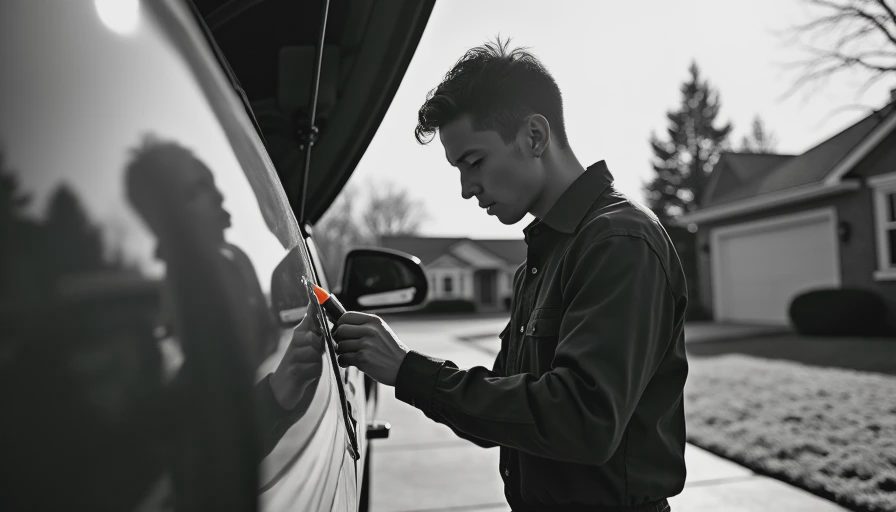
Start with the obvious, but do it in the right order. Check the dipstick on level ground, verify the oil type, and confirm the dashboard reading with a mechanical gauge if the warning is serious. A sender, switch, or wiring fault can mimic true low pressure, and replacing parts before testing is how people spend $120 on a sensor when the real issue was a $40 oil and filter service. A decent mechanical gauge kit costs about $25 to $60; a pressure sender can run $30 to $120 depending on the engine.
If the gauge proves the pressure is truly low, compare cold and hot readings. An engine may show decent cold pressure and then sag after 15 to 20 minutes as the oil thins. That is where ASTM D445 matters, because kinematic viscosity at operating temperature tells you how much resistance the oil has left after heat has done its work. Fuel dilution, coolant contamination, or the wrong viscosity grade can all drop pressure even when the sump is full.
Application Note: on a turbocharged gasoline engine, black oil with a fuel smell tells me to think about short-trip dilution and possible injector or PCV issues. On a paper mill hydraulic unit, the same symptom would send me toward cooler bypass leakage or water contamination instead. Same physics, different machine.
What to check before you buy parts
If the level is low, fix the leak or consumption source first. Look for wet valve covers, a seep at the oil pan, a dripping filter, or residue under the front cover. Then refill with the correct specification oil and filter, not just any bottle on the shelf. API SP and ILSAC GF-6 oils are common in modern gasoline engines because they address oxidation, deposits, and timing-chain protection, but the owner manual still has the final word on grade and approval.
If the level was not low, the next places I would inspect are the pickup screen, the oil filter bypass, the relief valve, and the bearing condition. Sludge can partially block the pickup, especially after long oil-change intervals or repeated overheating. A filter collapse or a clogged element can also create strange pressure behavior, so the filter should be treated as a real component, not an afterthought. By the relevant standard, filter efficiency and capacity matter because restriction is not just a nuisance; it changes how the whole circuit behaves.
At this point, low oil cause low oil pressure may still be the headline, but it should no longer be the only suspect. A worn main bearing or rod bearing can dump pressure fast enough that a fresh quart does not solve the problem. If metal shows up in the drained oil, stop guessing and inspect the bottom end.

When the pressure light means stop driving
If the oil pressure light stays on after startup, if the gauge falls near zero, or if the engine begins to tick, knock, or rattle, shut it down. Driving ten more miles can turn a repair that should have cost a few hundred dollars into a rebuild that runs into the thousands. A diagnostic pressure test at an independent shop often lands in the $150 to $250 range, while a pressure sender replacement is far cheaper than a set of rods, mains, or a camshaft.
That is the practical answer to low oil cause low oil pressure: yes, low oil can absolutely do it, but the real decision is whether the low level is the root cause or the symptom. If the engine has a leak, fix the leak. If the oil is the wrong viscosity, correct the grade. If the pressure is low with a full sump, treat it as a mechanical issue until proven otherwise.
A practical field example and the takeaway
I once looked at a gasoline V6 that came in with a flickering light at idle after a highway run. The dipstick showed almost a quart low, the oil smelled a little thin, and the owner had been topping it off with whatever was on sale. After a proper fill with the correct SAE grade and a fresh filter, the hot idle pressure came back into a normal range for that engine, and the noise disappeared. The repair was under $100 in fluids and parts, not a teardown.
That is the pattern I want you to remember. Low oil cause low oil pressure when the pump loses supply, but the fix is not random parts swapping. Verify the level, verify the pressure with a gauge, match the oil to the specification, and inspect the machine before the bearing film disappears. In the lab we call that root-cause control; on your shop floor, it saves engines.

No feedback yet — submit the first.