Every plant manager knows the cost of unplanned downtime. When a gearbox seizes on a CNC lathe or a hydraulic pump on an injection molder fails, production stops and repair bills climb fast. Manufacturing equipment maintenance is the frontline defense against these failures, and lubrication is its most powerful tool. In the lab we call this tribology — on your shop floor, it means choosing the right oil, at the right interval, with the right contamination control.
The Role of Lubrication in Manufacturing Equipment Maintenance
Lubrication is not just about reducing friction. It also manages heat, removes wear debris, and protects surfaces from corrosion. A well-designed lubrication program addresses all four functions. Without it, bearings overheat, gears scuff, and seals leak. By the relevant standard (ISO 55000 for asset management), lubrication is a critical maintenance activity. Yet many plants treat it as a secondary task, assigning it to the least experienced operator. That mindset costs thousands per hour in lost production.
Key Failure Modes and How Lubrication Addresses Them
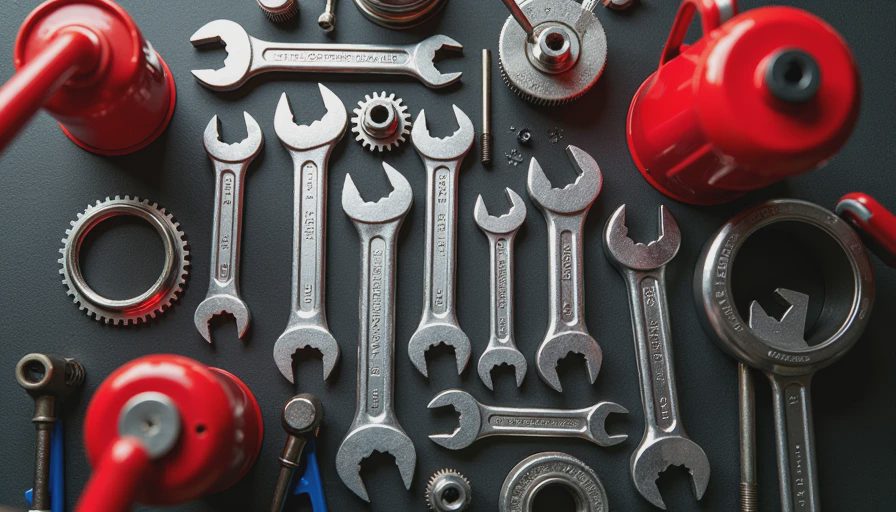
Three failure modes dominate manufacturing equipment: abrasive wear, adhesive wear, and fatigue. Abrasive wear comes from dirt particles entering the oil. Adhesive wear happens when metal-to-metal contact occurs due to oil film collapse. Fatigue appears as pitting on gear teeth or bearing raceways. Proper lubrication counters all three. For example, using an ISO VG 68 gear oil with proper EP additives in a gearbox prevents scuffing. Application Note: On a high-speed spindle, switch to an ISO VG 22 oil to reduce churning losses and heat generation.
ISO Standards for Lubrication in Manufacturing Equipment
ISO 11158 defines mineral hydraulic oils, while ISO 12924 covers lubricants for machine tools. These standards set viscosity grades, additive requirements, and performance tests. When selecting a lubricant, always check the manufacturer's recommendation and match it to the standard. A common mistake is using a multipurpose grease where an NLGI 2 lithium complex grease is specified. The wrong grease leads to channeling and starvation. In the lab we call this improper lubricant selection — on your shop floor, it means premature bearing failure.
Application Note: Implementing a Lubrication Program
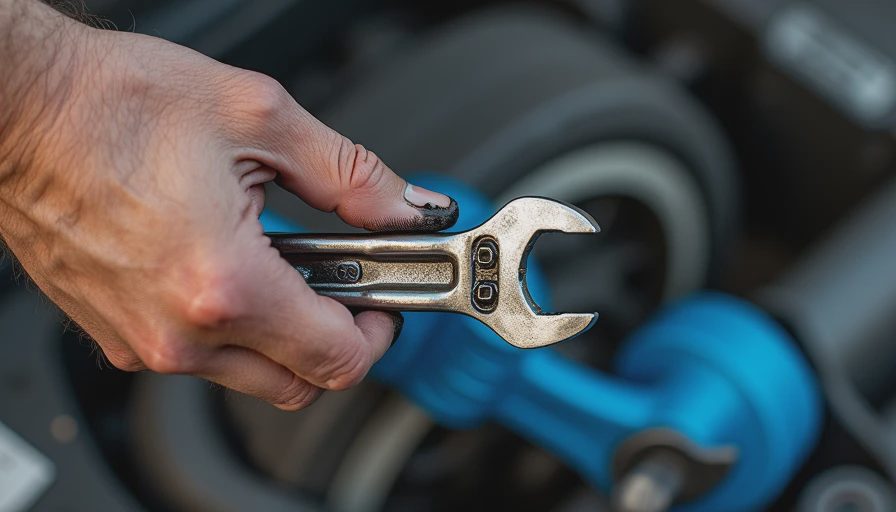
Start by creating an equipment register. List every machine, its lubrication points, and the recommended lubricant per the OEM standard. Next, establish sampling intervals for oil analysis. For a typical CNC machine, sample every 500 operating hours. Check viscosity, acid number, and particle count. If particle count exceeds ISO 4406 code 22/20/18, change the oil and investigate the contamination source. Third, train your maintenance team. They need to know why overgreasing is worse than undergreasing. Using a grease gun with a calibrated output helps avoid excess.
Cost Impact of Neglecting Lubrication
A single catastrophic bearing failure in a large motor can cost $10,000 to $50,000 in parts and labor, plus weeks of lost production. By contrast, a year of proper lubrication and oil analysis costs a fraction of that. For a paper mill with 200 bearings, a $5,000 annual lubrication program saves over $100,000 in unplanned repairs. Manufacturing equipment maintenance is not an expense — it is an investment with measurable ROI.
Case Example: How Oil Analysis Prevented a Catastrophic Gearbox Failure
At a mid-sized automotive parts plant, the maintenance team had been following a strict manufacturing equipment maintenance schedule for their stamping press gearbox. The gearbox used an ISO VG 460 extreme-pressure gear oil. Routine oil analysis every 500 hours showed a gradual increase in viscosity — from ISO 460 to ISO 500 over three months. Iron particle count also rose from 50 ppm to 200 ppm. The tribologist flagged these trends as signs of incipient fatigue. The team decided to replace the oil and inspect the gearbox. They found micropitting on three gear teeth. They replaced the gears at a cost of $8,000, avoiding a full catastrophic failure that would have cost $45,000 in parts and two weeks of downtime. The lesson: manufacturing equipment maintenance driven by oil analysis pays for itself many times over. Implementing a similar program across five critical machines saved the plant $120,000 in the first year.
This case illustrates how proactive manufacturing equipment maintenance, guided by ISO standard oil analysis, directly prevents failures. The key parameters to monitor are viscosity increase, particle count, and wear metal concentration. For gearboxes, also check for water content and acid number. A typical analysis cost is $30 per sample; for 10 samples a year, that is $300. Compare to one avoided failure — the ROI is enormous. Every plant should prioritize tribology-based maintenance to maximize uptime and reduce total cost of ownership.
Conclusion
Lubrication is the heart of manufacturing equipment maintenance. By following ISO standards, focusing on failure modes, and investing in training and oil analysis, you can slash downtime and extend machine life. Start with one critical machine, document the results, and build your program from there. The payoff is reliability, reduced costs, and fewer midnight phone calls.



No feedback yet — submit the first.