Every rotating machine relies on bearings. When bearing failure occurs, production stops, repair costs climb, and safety risks emerge. In the lab we call bearing failure a loss of function—on your shop floor, it means downtime, unplanned maintenance, and expensive replacements. This article breaks down the primary failure modes, how to detect them early, and how to prevent them using proven lubrication and maintenance practices.
The Three Main Modes of Bearing Failure
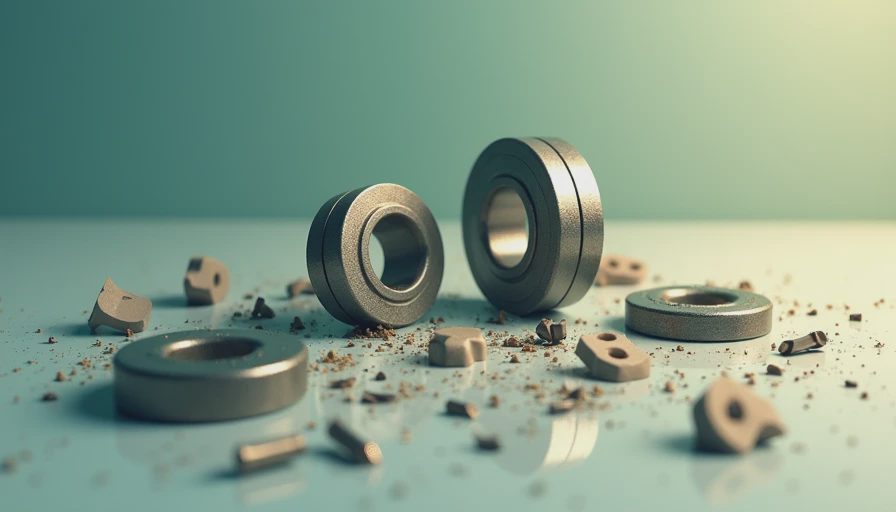
Bearing failure rarely happens without warning. The three most common modes are fatigue spalling, abrasive wear, and corrosion. Each has distinct root causes and visual indicators.
Fatigue spalling occurs when subsurface cracks propagate under repeated stress cycles. By ISO 281, the basic rating life (L10) predicts when 10% of a bearing population will show fatigue failure under idealized conditions. On the shop floor, spalling shows as flaking on raceways or rolling elements, often preceded by vibration spikes. Application Note: In a 200 hp electric motor driving a paper mill fan, we measured high-frequency vibration rising 30% over two weeks—disassembly confirmed incipient spalling on the drive-end bearing.
Abrasive wear comes from hard particles entering the bearing. These particles—dirt, wear debris, or machining chips—act as lapping compounds, removing material from surfaces. ISO 4406 cleanliness codes help quantify allowable contamination levels. In hydraulic pump bearings, an increase from ISO 18/15/12 to 20/17/14 typically signals insufficient filtration. Application Note: A marine gearbox suffered repeat bearing failure every 18 months. Oil analysis revealed high silicon (dirt) and iron—after upgrading breathers and improving seal condition, bearing life tripled.
Corrosion results from moisture or acidic compounds attacking bearing steel. Water ingress above 500 ppm in oil can reduce bearing fatigue life by 50% or more by ASTM D5540 guidelines. Rust pits become stress risers, accelerating fatigue. In steam turbine applications, condensation during shutdown is a common culprit—maintaining oil temperature above dew point is critical.
Detecting Bearing Failure Early
Catching bearing failure early saves thousands in repair costs and lost production. The main detection tools are vibration analysis, oil analysis, and thermography. Each provides different clues.
Vibration analysis remains the frontline method. ISO 10816 defines severity limits for overall vibration velocity. For bearing-specific faults, acceleration enveloping (gE) captures high-frequency impacts from incipient spalling. A doubling of gE over three months warrants investigation. Application Note: In a cooling tower fan gearbox, an increase from 0.5 gE to 1.2 gE over six weeks indicated bearing failure—replacement during scheduled outage cost $1,500; emergency shutdown would have been $15,000.
Oil analysis complements vibration by detecting wear metals, contamination, and oil degradation. Ferrous density (PQ index) rises before vibration shows change in some cases. For grease-lubricated bearings, used grease analysis is less common but can reveal water and iron content. ASTM D7918 provides guidance for in-service grease sampling.
Thermography catches temperature anomalies. A bearing running 20°C hotter than adjacent bearings suggests overload, misalignment, or lubrication starvation. IR cameras during operation are non-intrusive. Application Note: In a plastics extruder, a thrust bearing reached 90°C (normal 60°C). The cause was excess preload due to thermal expansion—adjusting clearance restored normal temperature.
Preventing Bearing Failure Through Lubrication
Proper lubrication is the single most effective prevention for bearing failure. The right lubricant, quantity, and relubrication interval matter.
Selecting the correct viscosity is fundamental. ISO viscosity grade for rolling bearings depends on operating temperature and speed. The rule: base oil viscosity at operating temperature should be at least 13 cSt for most applications (per ISO 281 life adjustment factor for lubrication). Application Note: A cement plant vertical mill bearing was using ISO VG 320 but ran at 80°C—effective viscosity dropped to 9 cSt, causing metal-to-metal contact. Switching to ISO VG 460 raised life from 8 months to 3 years.
Relubrication intervals for grease can be calculated from bearing type, size, speed, and temperature. Standards like ISO 15379 provide guidance. Over-greasing is as harmful as under-greasing—it causes churning and overheating. Application Note: In a blower bearing greased monthly by feel, bearing failure occurred every 18 months. Switching to calculated interval (every 2000 hours) and metered dose reduced failure rate to near zero over five years.
Contamination control prevents abrasive wear. Sealed and shielded bearings help, but open bearings in dirty environments need proper sealing and filtration. Keeping oil dry (below 100 ppm water) and clean (better than ISO 19/16/13) is achievable with kidney-loop filtration and desiccant breathers.
Maintenance Practices That Reduce Bearing Failure
Beyond lubrication, installation and alignment play huge roles.
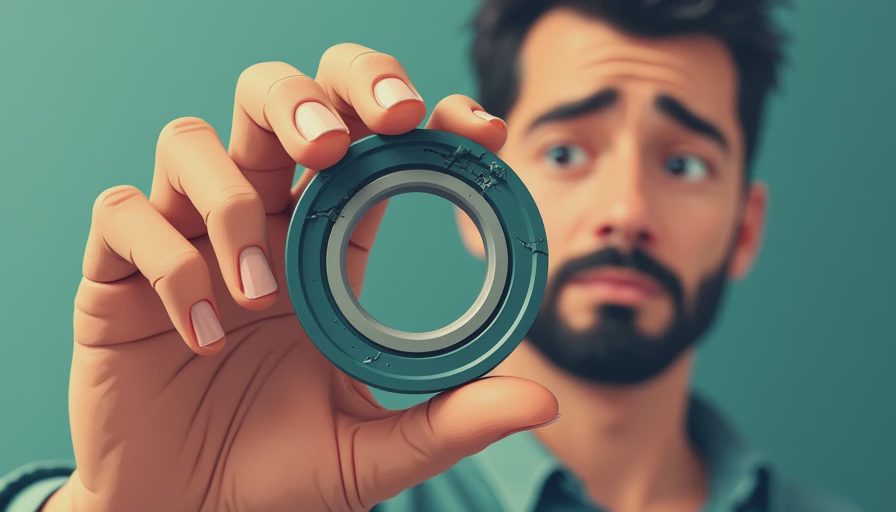
Proper mounting prevents early failure. Induction heating (never a torch) for interference fits avoids brinelling. Tapered sleeves and hydraulic nuts allow precise preload. Torque specifications from the manufacturer must be followed—under-tightening causes fretting; over-tightening reduces internal clearance.
Alignment of shafts and housings eliminates unnecessary loads. Misalignment forces bearings to carry loads they weren't designed for, accelerating fatigue. Laser alignment to within 0.002 in/in is typical for high-speed equipment.
Conclusion
Bearing failure is avoidable with systematic attention to lubrication, contamination control, and condition monitoring. By understanding the failure modes—fatigue, wear, corrosion—and applying detection tools like vibration and oil analysis, you can predict and prevent most failures. The cost of prevention is a fraction of the cost of emergency repair. Keep your bearings clean, correctly lubricated, and properly aligned, and they will deliver reliable service. In the lab we call this life extension—on your shop floor, it means fewer breakdowns and lower maintenance costs.



No feedback yet — submit the first.