If you're responsible for rotating machinery, knowing how to check oil is the difference between planned maintenance and unscheduled downtime. In the lab we call this verifying the lubricant charge; on your shop floor, it means catching a problem before a bearing seizes or a gearbox scores. A proper oil check doesn't take three minutes, but it keeps you from becoming best friends with your rebuild team.
The Standard Way to Check Oil Level
The reference method is a dipstick. But the procedure matters as much as the reading. Park the machine on level ground. If it's an engine, shut it down and give the oil five minutes to drain back to the pan. For a gearbox, follow the manufacturer's recommended standstill time — some reducers need longer. Pull the dipstick, wipe it clean with a lint-free cloth, reinsert it fully, then pull it again. Hold it horizontally so the oil doesn't run up the stick.
You want the oil sitting between the minimum and maximum marks. In the lab we call this the safe operating range; on your shop floor, it means enough lubricant to maintain a hydrodynamic film at the farthest bearing. Running low can mean cavitation or slipper pad damage later. Overfilling causes foaming and aeration, and that can destroy a bearing faster than low oil ever will.
Why Checking Oil by Eye Isn't Enough
A dipstick tells you oil is there. It doesn't tell you whether that oil is still oil. Water contamination, fuel dilution, soot loading, and oxidation all change viscosity and chemistry. I've seen a marine diesel with a perfectly full dipstick — and oil that had the consistency of cold honey because of oxidation. A visual check won't catch that.
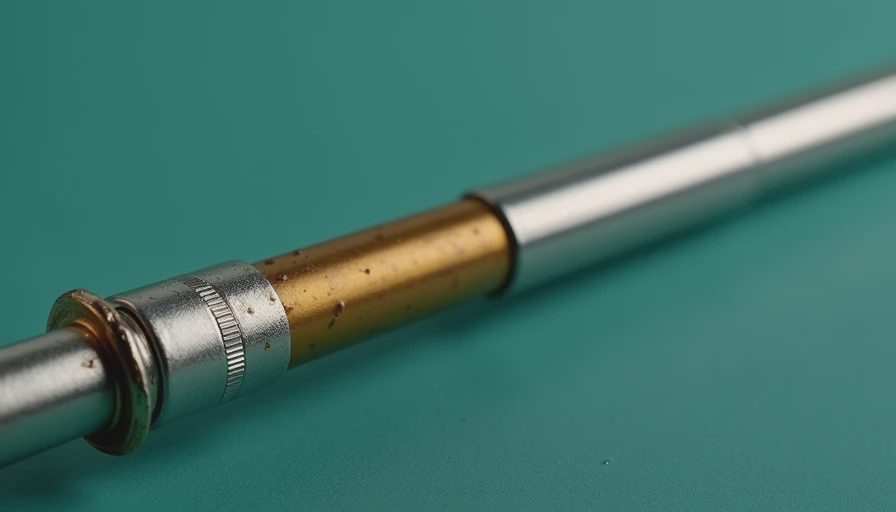
This is where oil analysis comes in: a periodic oil sampling program is your true health check. By the relevant standard (ASTM D445), you measure kinematic viscosity and compare it to your baseline. You also run a wear metals panel and a water test. At under $150 per sample, it buys confidence that your oil is doing its job. If you're serious about reliability, pull a sample from every critical system at least once a quarter.
How to Check Oil in Gearboxes and Hydraulic Systems
Gearboxes and hydraulic reservoirs don't always have a dipstick. Many use a sight glass, a fill plug, or a pressure fill port. Knowing how to check oil on those systems is a different ballgame. For a gearbox vented at ambient pressure, a sight glass lets you verify the oil level at rest. But you need to check the manufacturer's specification for which temperature the marks represent. A cold gearbox can read low; a hot one can read high. The same fluid can expand enough to fool you.
Hydraulic systems are another case. Here you're looking at reservoir level with the pump running and, ideally, with the accumulator discharged. The level should stay within the upper third of the sight glass. If you see foam or bubbles in the return-line sight glass, you have an aeration problem. Aeration is a common failure mode, and it has nothing to do with low level — it's usually a loose suction line or a worn shaft seal.
Application Note: On a paper mill hydraulic press, I once saw a chronic low-level alarm. The crew kept adding oil, but the 'low level' was actually a misadjusted float switch. The pump was running at normal drain-down levels because the operator had never learned how to check oil the right way. Always verify with the sight glass after any float-switch adjustment.

Common Mistakes That Send False Signals
The first mistake is checking the oil when the machine is tilted or the vehicle is parked on a slope. A parked truck on a curb can show a false overfull on the outside of a dipstick — and a false low on the other side. The second is checking the oil immediately after shutdown. You need to let the oil drain back to the sump. For large engines, that can take ten minutes or more.
The third mistake is misreading the dipstick. I've seen operators mistake the upper hole for the full mark on a crosshatched stick. On many modern dipsticks, the full mark sits at the top of the crosshatch zone; anything above that is overfill.
Sampling through a dirty valve is another mistake. Draw from an unflushed port and you're testing crud, not oil. Always clean the external surface, then take a fresh sample into a proper sampling bottle, never a soda bottle.
A Field-Proven Oil Check Routine
Here's the routine I recommend to every plant and marine crew I consult with. Set a calendar reminder for every piece of equipment. Use a logbook or a digital CMMS entry to record the exact mark, not just 'OK' or 'FULL'. If the level drops more than a quarter inch between checks, that's an early warning sign. If it rises, that can mean fuel or water is getting in.
Pair your hand check with one oil sample per year for low-criticality equipment and quarterly for critical assets. That's how to check oil the right way: combine level and condition monitoring, follow the manufacturer's procedure, and don't trust your eyes for chemistry. You'll eliminate the surprise bearing failure, and you'll sleep better knowing your machinery has the protection it needs.
This is Erik Lindgren, PhD Tribologist, STLE Fellow. Want me to review your oil sampling program or walk your crew through an audit? Reach out through the contact page.




No feedback yet — submit the first.